


Guide to Handle Coat Grooming in Hairless Dog Breeds for Easy Maintenance
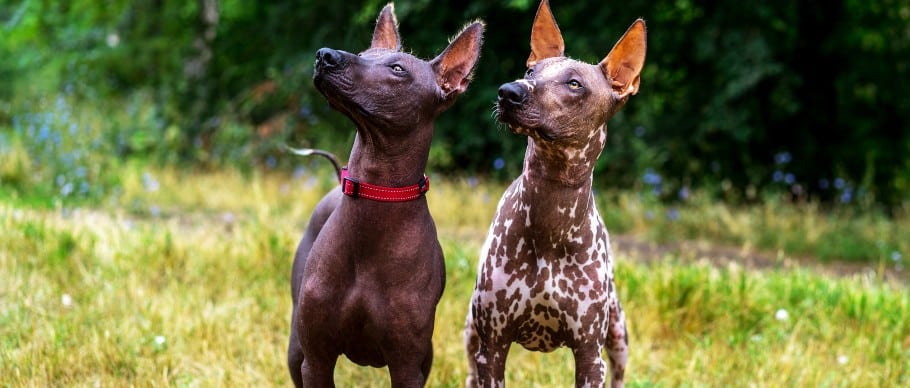
Grooming hairless dog breeds can seem like a paradox—how can a dog be hairless yet still require grooming? The truth is, despite their lack of a traditional coat, these breeds still need dedicated skin and coat care to stay healthy and looking their best. Whether you’re a seasoned owner or new to hairless breeds like the Chinese Crested, Xoloitzcuintli, or Argentine Hairless Dog, understanding their unique grooming needs is key to making maintenance easier and more effective. This comprehensive guide will walk you through the essentials—from understanding their specific needs to selecting the right products and techniques—so you can keep your hairless dog happy, healthy, and fuss-free.
Understanding the Unique Grooming Needs of Hairless Breeds
Unlike furry breeds, hairless dog breeds have exposed skin that requires special attention. Their skin acts as a natural barrier but is also more vulnerable to environmental factors like sun damage, dryness, and irritation. Because they lack a thick coat, they don’t shed in the traditional sense, but their skin still needs regular cleaning and moisturizing to prevent issues like dryness, acne, or hotspots. Recognizing these unique needs is the first step toward proper grooming.
Many hairless breeds are prone to skin conditions such as dermatitis or sebaceous cysts, which can be exacerbated by poor hygiene or irritation. Their skin is often more sensitive, meaning that harsh soaps or incorrect grooming routines can cause discomfort or allergic reactions. Additionally, since they don’t have fur to absorb oils from their skin, excess oils can accumulate, leading to clogged pores or acne. Regularly inspecting their skin for signs of redness, dryness, or infection can help catch issues early and ensure prompt treatment.
Environmental exposure is another critical factor. Hairless breeds are especially susceptible to sunburn, so applying pet-safe sunblock when outdoors is advisable. Cold weather can also cause skin dryness or chapping, necessitating moisturizers or protective clothing. Understanding these environmental sensitivities helps owners create a grooming routine that not only keeps their dog looking good but also protects their overall health.
Effective Handling and Maintenance of Coat and Skin in Hairless Dogs and Cats
Handling the grooming of hairless dogs requires a gentle, consistent approach. Because their skin is more exposed and sensitive, aggressive brushing or bathing can cause discomfort. Using a soft-bristled brush or cloth helps remove dirt, excess oils, and dead skin cells without irritating the skin. Routine handling also provides an opportunity to check for abnormalities, such as cuts, rashes, or signs of infection, which can be less obvious without fur.
Bathing schedules should be more frequent than those for coated breeds—typically once a week or as needed—using mild, moisturizing shampoos specifically formulated for sensitive skin. After bathing, thorough drying is essential to prevent moisture retention that could lead to bacterial or yeast infections. Using a soft towel or a gentle blow dryer on low heat helps keep the skin dry and comfortable. Regular grooming also helps distribute natural skin oils evenly, improving skin health and giving the skin a natural glow.
Another vital aspect is moisturization. Since hairless breeds don’t have fur to protect or insulate their skin, applying a vet-recommended moisturizer or skin conditioner can prevent dryness and peeling. Additionally, some owners opt for routine skin treatments with products containing omega fatty acids or aloe vera, which promote healthy skin. Proper handling and maintenance not only enhance the appearance of your hairless dog but also prevent common skin issues, making grooming a stress-free experience for both pet and owner.
Selecting Suitable Grooming Products for Hairless Breed Coat Care
Choosing the right grooming products is critical for maintaining healthy, irritation-free skin in hairless breeds. Opt for gentle, hypoallergenic shampoos that are free from harsh chemicals, dyes, or artificial fragrances. Ingredients like oatmeal, aloe vera, or chamomile can soothe sensitive skin and provide hydration. Avoid products with alcohol or strong surfactants, which can strip natural oils and cause dryness or irritation.
In addition to shampoos, consider using specialized skin conditioners or moisturizers designed for hairless animals. Products containing natural oils like coconut oil, shea butter, or jojoba oil can help nourish and hydrate the skin. It’s also helpful to select sunscreens formulated specifically for pets—these offer protection from harmful UV rays without risking toxicity. Remember, always consult your veterinarian before introducing new grooming products to ensure they are safe and suitable for your pet’s skin type.
Furthermore, the grooming tools should be gentle yet effective. Soft brushes, silicone gloves, or soft washcloths are excellent options for regular cleaning. For more stubborn dirt or oils, a mild exfoliating scrub can be used sparingly to remove dead skin cells. Keep grooming tools clean and disinfected to prevent bacteria transfer, especially since hairless skin can be more prone to infections. Proper product selection is the foundation of an easy, effective coat and skin maintenance routine that enhances your dog’s comfort and health.
Step-by-Step Grooming Techniques for Handle Coat Grooming in Hairless Breeds
Establishing a consistent grooming routine involves specific techniques tailored to hairless breeds. Start by gently brushing your dog with a soft-bristled brush or microfiber cloth to remove loose dirt and oils. Pay close attention to areas prone to buildup, such as around the ears, neck, and belly. Be gentle to avoid irritating sensitive skin, and always check for any signs of redness, irritation, or abnormalities.
When it’s time for bathing, use lukewarm water and a mild, pet-safe shampoo. Lather gently, paying attention to areas that may accumulate more oils or dirt, like the face, paws, and underarms. Avoid scrubbing aggressively—gentle massaging encourages blood flow and promotes relaxation. After rinsing thoroughly, pat the skin dry with a soft towel or use a low-heat blow dryer. Ensuring the skin is completely dry is key to preventing infections.
Post-bath care is equally important. Apply a light layer of moisturizer or skin conditioner recommended by your veterinarian, focusing on areas that tend to become dry or flaky. Regular trimming of nails, cleaning of ears, and checking the skin for signs of irritation or infection should be integrated into your routine. Consistency, patience, and gentle handling make coat grooming easy and stress-free, ensuring your hairless dog remains comfortable and healthy.
Tips for Preventing Skin Issues and Ensuring Healthy Coat Maintenance
Prevention is always better than cure when it comes to skin health in hairless breeds. Regularly inspecting your dog’s skin for signs of dryness, redness, or irritation allows you to catch potential issues early. Maintaining a consistent grooming schedule, combined with proper hygiene, helps prevent the buildup of oils, dirt, and bacteria that can lead to infections or acne.
Sun protection is a must for hairless dogs. Applying pet-safe sunscreen, especially on areas with less pigmentation, can prevent painful sunburns and long-term skin damage. When outdoor exposure is inevitable, providing shaded areas or protective clothing like doggy shirts can offer added protection. Hydration also plays a vital role; ensure your dog has access to fresh water to help maintain skin elasticity and overall health.
Lastly, nutrition significantly influences skin health. A balanced diet rich in omega-3 and omega-6 fatty acids, vitamins, and minerals supports healthy skin and coat maintenance. Consult your veterinarian for specific dietary recommendations or supplements that can enhance your dog’s skin condition. Regular veterinary checkups, coupled with attentive grooming and proper skincare products, ensure your hairless dog stays comfortable, free from common skin issues, and maintains a healthy, radiant skin for years to come.
Conclusion
Caring for hairless dog breeds may require more attentiveness, but the results—glowing, healthy skin and a happy, comfortable pet—are well worth the effort. By understanding their unique grooming needs, handling their skin with care, choosing the right products, mastering gentle techniques, and adopting preventative measures, you can make coat maintenance an easy and enjoyable routine. Remember, patience and consistency are key to keeping your hairless dog looking their best while supporting their overall health. With the right knowledge and approach, grooming your hairless breed can become a bonding experience that enhances your pet’s well-being and your shared happiness.