


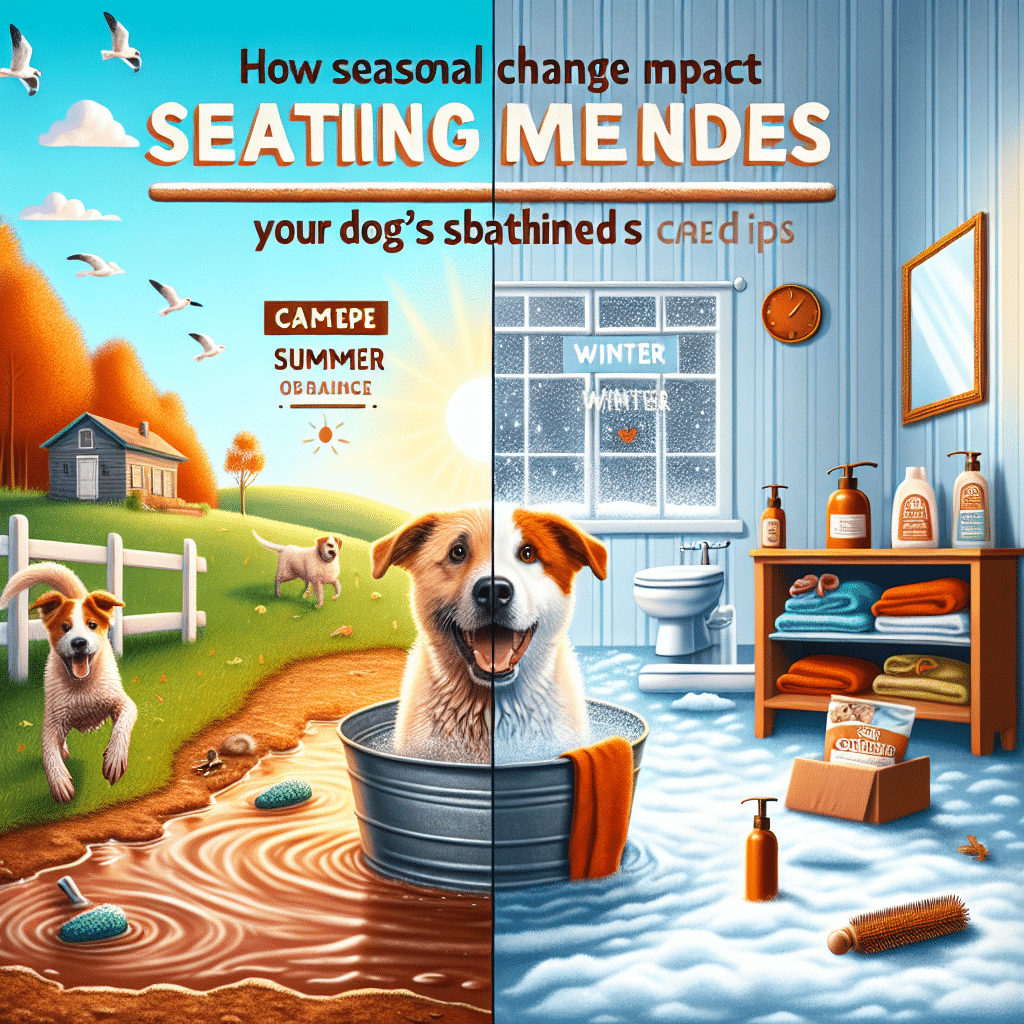
How Seasonal Changes Impact Your Dog’s Bathing Needs and Care Tips
As pet owners, we all want our dogs to be happy, healthy, and comfortable throughout the year. But did you know that the changing seasons can significantly influence your dog’s skin, coat, and overall grooming needs? From hot summer days to chilly winter nights, your dog’s bathing routine and grooming care should adapt to these environmental shifts. In this article, we’ll explore how seasonal climate variations impact your dog’s skin and coat, how to adjust your bathing routine accordingly, choose the right grooming products, protect your furry friend during extreme weather, and monitor their response to these changes. Whether you’re a new dog owner or a seasoned pet parent, understanding these factors can help you keep your dog looking and feeling their best all year round.
Understanding the Impact of Seasonal Climate on Your Dog’s Skin and Coat
The changing seasons influence your dog’s skin and coat in multiple ways, making it essential to understand how these variations can affect their comfort and health. During warmer months, dogs typically shed more, especially breeds with double coats, as they adapt to the heat by losing excess fur. Conversely, winter coats tend to grow thicker and denser, providing insulation against the cold. These natural changes are crucial for maintaining body temperature but can also influence their grooming needs.
Temperature and humidity levels play a key role in skin health. In summer, high temperatures and humidity can lead to skin irritation, hot spots, or fungal infections if your dog isn’t properly groomed or bathed. Conversely, during winter, dry air and cold temperatures can strip moisture from your dog’s skin, leading to dryness, flakiness, or even cracking. Dogs with certain skin conditions, allergies, or breeds prone to dry skin may be especially affected, requiring special care during specific seasons. Recognizing these seasonal shifts allows you to tailor your grooming approach to support your dog’s skin barrier and coat health.
Moreover, environmental factors like sun exposure and cold winds can cause skin damage or exacerbate existing skin conditions. For instance, excessive sun exposure can lead to sunburns on dogs with thin coats or light-colored skin, while cold winds can dry out their skin further. Understanding these impacts helps in preventing discomfort and skin-related issues, emphasizing the importance of seasonal awareness in your dog’s grooming care.
Adjusting Bathing Frequency for Different Seasons to Promote Healthy Skin
One of the most practical ways to accommodate seasonal changes is by adjusting how often you bathe your dog. In warmer months, increased activity, outdoor play, and exposure to dirt or allergens may necessitate more frequent baths to keep your dog clean and odor-free. However, over-bathing can strip essential oils from their skin, leading to dryness and irritation, especially in the winter. Conversely, during colder months, less frequent bathing allows the natural oils to protect and insulate the skin, preventing dryness and discomfort.
Summer bathing tips:
- Bathe your dog every 4-6 weeks, depending on activity level and breed. For active outdoor dogs, more frequent washes may be necessary.
- Use lukewarm water to avoid skin irritation caused by hot water.
- Rinse thoroughly to remove dirt, pollen, and allergens that could cause skin allergies or irritations.
- Consider quick rinses or waterless shampoos between baths if your dog gets particularly dirty or smelly.
Winter bathing tips:
- Decrease bathing frequency to once every 8-12 weeks or as needed.
- Follow each bath with thorough drying and grooming to prevent dampness, which can lead to skin infections.
- Use moisturizing shampoos designed for dry or sensitive skin, and add conditioners or oils recommended by your vet.
- Always ensure your dog is fully dry and kept warm afterward to prevent chills and skin dryness.
Remember, every dog is different; some breeds or individual dogs may require more or less frequent baths regardless of season. Monitoring your dog’s skin condition and behavior can help you find the perfect balance to promote healthy, moisturized skin year-round.
Selecting Appropriate Dog Shampoos and Grooming Products for Year-Round Care
Choosing the right grooming products is vital for maintaining your dog’s skin and coat health through seasonal changes. In summer, opt for gentle, hypoallergenic shampoos that remove sweat, oils, and allergens without stripping moisture. Look for products with natural ingredients like oatmeal, aloe vera, or chamomile, which soothe irritated skin and provide hydration. For dogs with sensitive skin or allergies, fragrance-free or medicated shampoos recommended by your veterinarian can be particularly beneficial.
During winter, hydration becomes a priority, so select moisturizing shampoos that contain nourishing oils, such as coconut, jojoba, or vitamin E. These ingredients help repair dry, flaky skin and restore the skin’s natural barrier. Avoid harsh shampoos that contain alcohol, sulfates, or artificial fragrances, as they can exacerbate dryness and irritation. Additionally, using a conditioner after bathing can add extra moisture and reduce static, especially for dogs with thick or double coats.
Ultimately, the best grooming products should cater to your dog’s specific needs, skin type, coat condition, and seasonal challenges. Always read labels carefully, consult your veterinarian if your dog has skin issues, and consider products formulated for year-round use. Proper product selection ensures that bathing remains a beneficial, skin-supportive routine regardless of the season.
Tips for Protecting Your Dog During Extreme Weather Conditions Post-Bath
Extreme weather conditions—be it intense heat, freezing cold, or heavy rain—can pose risks to your freshly bathed dog if not properly managed. After bathing, your dog’s skin is especially vulnerable, and exposure to harsh weather can cause discomfort, skin damage, or health issues. To keep your dog safe and comfortable, take proactive steps to protect them during these times.
In hot weather, avoid walking or outdoor play immediately after a bath, as damp fur can increase the risk of heatstroke or sunburn. If your dog has a light or thin coat, consider applying pet-safe sunscreen on exposed skin areas before heading outside. Provide shaded resting spots and ensure plenty of fresh water to prevent dehydration. On sunny days, limit outdoor time and opt for early morning or late evening walks when temperatures are cooler.
In cold weather, thoroughly drying your dog after a bath is crucial to prevent chills or hypothermia. Use a high-quality pet dryer or towels and keep your dog indoors in a warm, draft-free environment until fully dry. For outdoor walks, consider doggy sweaters or jackets, especially for short-haired or small breeds. Avoid walking on icy surfaces that can cause slipping or frostbite, and always wipe paws after walks to remove ice, de-icing chemicals, or snow.
During rainy or wet conditions, limit outdoor exposure until your dog is dry and warm. Use waterproof gear if necessary, and ensure your dog’s bedding and living space are warm and dry. These precautions are essential for safeguarding your dog’s health and comfort during extreme weather conditions following a bath.
Monitoring Your Dog’s Response to Seasonal Changes and Bathing Routine Adjustments
Every dog is unique, and their response to seasonal changes and grooming routines can vary widely. It’s essential to observe your dog closely as you modify their bathing frequency and grooming products throughout the year. Signs of discomfort, such as excessive scratching, licking, dry patches, or foul odors, can indicate that your current routine needs adjustment. Regularly inspecting your dog’s skin and coat helps catch potential issues early.
Pay attention to your dog’s behavior and energy levels—if they seem more irritable, lethargic, or uncomfortable after certain baths or exposure to seasonal elements, it’s time to reassess your approach. Changes in coat condition, like excessive shedding, dullness, or matting, can also be signs that your grooming routine isn’t meeting their needs. Consulting with your veterinarian or a professional groomer can provide personalized recommendations tailored to your dog’s breed, age, and health status.
Finally, keep records of your dog’s grooming schedule, skin health, and any reactions to products or environmental factors. This documentation helps identify patterns and determine the most effective seasonal care strategies. Regular monitoring and adjustments ensure your dog remains comfortable, healthy, and happy regardless of the season.
Conclusion
Seasonal changes offer both challenges and opportunities in caring for your dog’s skin and coat. By understanding how climate variations impact your furry friend’s health, you can adapt their bathing routine, choose suitable grooming products, and implement protective measures during extreme weather. A balanced approach—adjusting bath frequency, selecting the right shampoos, and paying close attention to your dog’s responses—helps promote healthy skin and a beautiful coat all year round. Remember, each dog is different, and being attentive to their needs ensures they stay comfortable, protected, and loved through every season. Embrace these tips, stay observant, and enjoy the journey of keeping your canine companion happy and healthy in every weather!