


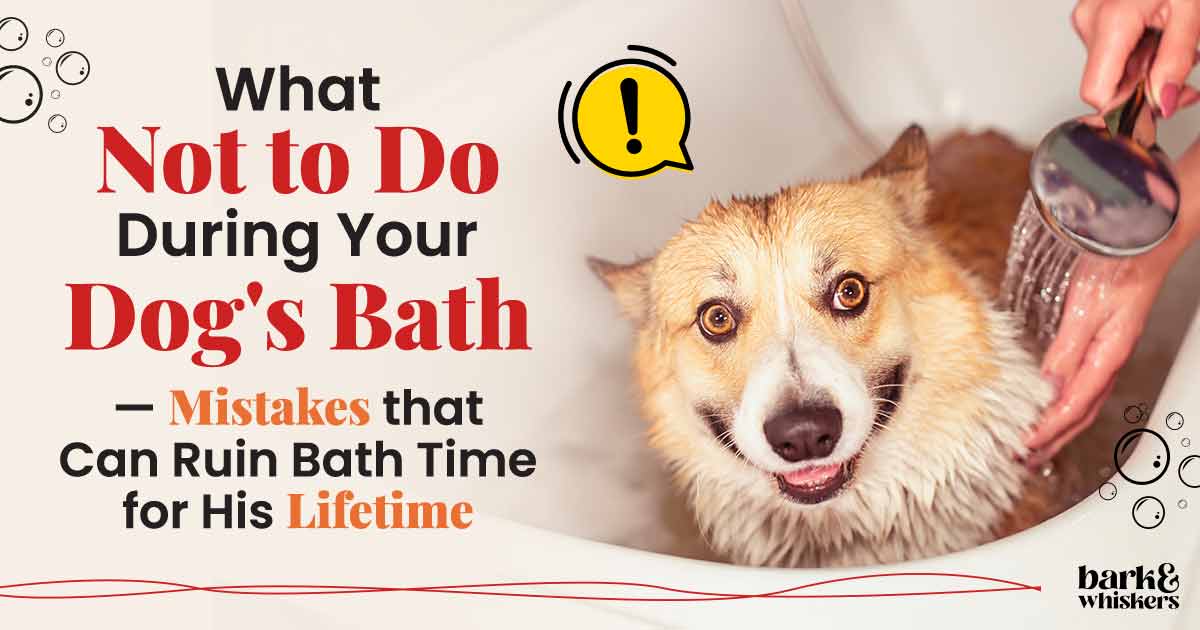
How to Avoid Common Dog Washing Mistakes and Keep Your Pet Healthy
Bringing a dog into your life is a joyful experience, but caring for your furry friend also comes with responsibilities—especially when it comes to grooming and bathing. While bathing your dog might seem straightforward, many pet owners unknowingly make mistakes that can harm their dog’s skin, coat, or overall well-being. Proper dog washing isn’t just about keeping your pet looking good; it’s a vital part of their health that, if done incorrectly, can lead to discomfort, skin conditions, or even behavioral stress.
In this comprehensive guide, we’ll explore how to avoid common dog washing mistakes and ensure your dog’s bath time is safe, effective, and stress-free. From selecting the right products to post-bath care, you’ll learn practical tips backed by veterinary advice and grooming best practices. Whether you’re a new dog owner or looking to refine your grooming routine, these insights will help you keep your pet clean, healthy, and happy.
Choosing the Right Shampoo and Bathing Products for Your Dog
Selecting the appropriate shampoo is the foundation of a healthy bath routine. Unlike human shampoos, dog shampoos are specially formulated to suit canine skin pH levels, which are different from ours. Using a harsh or inappropriate product can strip away natural oils, leading to dry, irritated skin or allergic reactions. Look for gentle, veterinarian-approved shampoos that specify they are suitable for your dog’s specific coat type and skin condition. For example, dogs with sensitive skin may benefit from hypoallergenic or medicated shampoos containing soothing ingredients like oatmeal or aloe vera.
Avoiding common mistakes in product selection is crucial. Many pet owners make the mistake of choosing a shampoo based solely on scent or price, which can be detrimental. Some shampoos contain artificial fragrances, dyes, or harsh chemicals that can cause skin irritation or allergic reactions. Always read labels carefully, and if your dog has skin issues such as allergies, dermatitis, or fleas, consult your veterinarian for a recommendation on suitable bathing products. Remember, the goal is to clean effectively without disrupting your dog’s natural skin barrier.
Conditioners and additional grooming products should also be chosen wisely. If your dog has a long or thick coat, a conditioner can help detangle hair and add moisture. However, be cautious about overusing conditioners, which can sometimes cause buildup or irritation if not rinsed thoroughly. For special needs, such as flea control or odor neutralizers, opt for products that are specifically designed for dogs and follow the manufacturer’s instructions. Using the right products not only ensures a clean coat but also promotes overall skin health and comfort.
Preparing Your Dog and Bathing Environment for a Safe Wash
Proper preparation sets the stage for a smooth and safe dog bathing experience. Before you start, gather all necessary supplies—shampoo, towels, brushes, and a non-slip mat—so you’re not scrambling mid-bath. Brush your dog thoroughly beforehand, especially if they have long hair, to remove loose fur, mats, and debris. This minimizes the risk of tangling and makes the bathing process more effective. Also, check your dog’s ears, nails, and skin for any signs of irritation or injury that might need veterinary attention before the bath.
Creating a safe, comfortable environment reduces stress for your dog. Use a warm, enclosed space like a bathtub or a dedicated bathing station that minimizes drafts and distractions. Ensure the water temperature is lukewarm—around 90-100°F (32-38°C)—to prevent discomfort or burns. Never use hot water, which can burn sensitive skin, or cold water, which can cause your dog to shiver and become anxious. If your dog is particularly anxious or fearful, consider introducing a calming environment with soothing music or treats to make the experience more positive.
Safety measures are critical during bath time. Non-slip mats or towels in the tub help prevent slipping and injuries. Keep a hand on your dog at all times, especially if they’re skittish or nervous, to prevent escapes or falls. Also, be cautious around their face, ears, and eyes—avoid getting water or shampoo directly into these sensitive areas. Properly preparing the environment and your dog beforehand minimizes risks and helps turn bath time into a routine that’s safe, comfortable, and stress-free.
Proper Techniques for Washing and Rinsing to Prevent Discomfort and Skin Issues
Effective washing technique is key to avoiding skin irritation and ensuring a thorough clean. Start by wetting your dog’s coat evenly with lukewarm water, avoiding the face and ears initially. Use gentle, circular motions with your hands or a soft sponge to massage the shampoo into the coat. Focus on areas prone to dirt, such as paws, underbelly, and around the collar line. Be careful not to scrub too harshly, especially on sensitive skin, as aggressive scrubbing can cause irritation and discomfort.
Rinsing is just as important as washing. Residual shampoo can cause itching, dryness, or allergic reactions if not rinsed out completely. Use plenty of water to thoroughly rinse away the shampoo, paying special attention to areas where shampoo tends to accumulate, such as behind the ears, under the tail, and around the neck. It’s advisable to double-check that no soap remains, especially in skin folds or thick hair, to prevent irritation and dermatitis. Take your time with rinsing to ensure your dog’s coat is clean and free of residue.
Drying your dog properly post-wash helps maintain healthy fur and skin. Pat your dog gently with a clean towel to absorb excess water, avoiding vigorous rubbing that can cause matting or coat damage. If you’re using a blow dryer, set it to a low, cool setting, and keep the dryer moving constantly to prevent overheating or burns. Be especially cautious around sensitive areas like the face, ears, and belly. Proper washing and rinsing techniques not only keep your dog comfortable but also promote healthier skin and a shiny, well-maintained coat.
Common Mistakes to Avoid During Dog Bathing to Ensure a Stress-Free Experience
One of the biggest mistakes is rushing through the process. Dogs can sense your stress or hurried movements, which can make them anxious or resistant. Take your time to prepare, and approach the bath as a calm, positive experience. Use treats, praise, and gentle handling to reassure your dog throughout. Rushing may lead to accidental injury, incomplete cleaning, or a negative association with bath time, making future baths even more difficult.
Another common error is neglecting to check the water temperature or using unsuitable products. Hot water can burn your dog’s skin, while cold water can cause discomfort and prolong the bath. Always test the water before starting, and stick to lukewarm temperatures. Similarly, using human shampoos or harsh cleaning agents can cause irritation, dry skin, or allergic reactions. Educate yourself on the appropriate grooming products designed specifically for dogs to prevent these issues.
Forgetting to rinse thoroughly or skipping certain areas can also be problematic. Incomplete rinsing leaves behind soap residue, which can cause itching, irritation, or skin infections. Be meticulous when rinsing, especially in skin folds, behind the ears, and under the belly. Also, avoid overbathing your dog; once every 4-8 weeks is generally sufficient unless your pet requires more frequent baths due to skin conditions or heavy outdoor activity. Avoiding these common mistakes helps make bath time a safe, gentle, and even enjoyable part of your dog’s grooming routine.
Post-Bath Care and Drying Tips to Maintain Healthy Fur and Skin
Post-bath care is crucial in maintaining your dog’s coat health and skin integrity. Once your dog is towel-dried, consider applying a conditioning spray or a coat moisturizer if recommended by your veterinarian. Brushing your dog’s fur after a bath helps detangle hair, remove loose fur, and distribute natural oils throughout the coat. Regular grooming not only keeps the coat looking shiny but also stimulates blood flow and promotes healthy skin regeneration.
Proper drying techniques help prevent skin issues like hot spots or fungal infections. If using a blow dryer, keep the temperature low and hold the dryer at a safe distance from your dog’s skin. Moving the dryer constantly prevents overheating and ensures even drying. Alternatively, air-drying in a warm, draft-free environment can be sufficient for dogs with short coats. Always ensure your dog is completely dry before allowing them outside or confining them in cooler environments, as damp fur can lead to skin irritation or cold-related issues.
Additional post-bath tips include monitoring for any skin abnormalities and providing positive reinforcement. Check your dog’s skin and coat for signs of irritation, redness, dryness, or parasites. If you notice anything unusual, consult your veterinarian promptly. Offer praise and treats to reinforce the positive experience, making future baths less stressful. Proper post-bath care not only keeps your dog comfortable and healthy but also helps strengthen your bond and encourages good grooming habits.
Conclusion
Incorporating best practices in dog bathing is more than just keeping your pet clean—it’s a vital part of their overall health and well-being. By choosing the right shampoos, preparing a safe and comfortable environment, using proper washing techniques, avoiding common pitfalls, and providing thorough post-bath care, you can turn grooming into a positive experience for both of you. Remember, patience and consistency are key; a calm, gentle approach will help your dog associate bath time with care and love.
So, take these tips to heart, and give your furry friend the clean, healthy coat they deserve. A well-maintained dog isn’t just adorable—they’re happier, healthier, and ready to enjoy many more adventures by your side.