


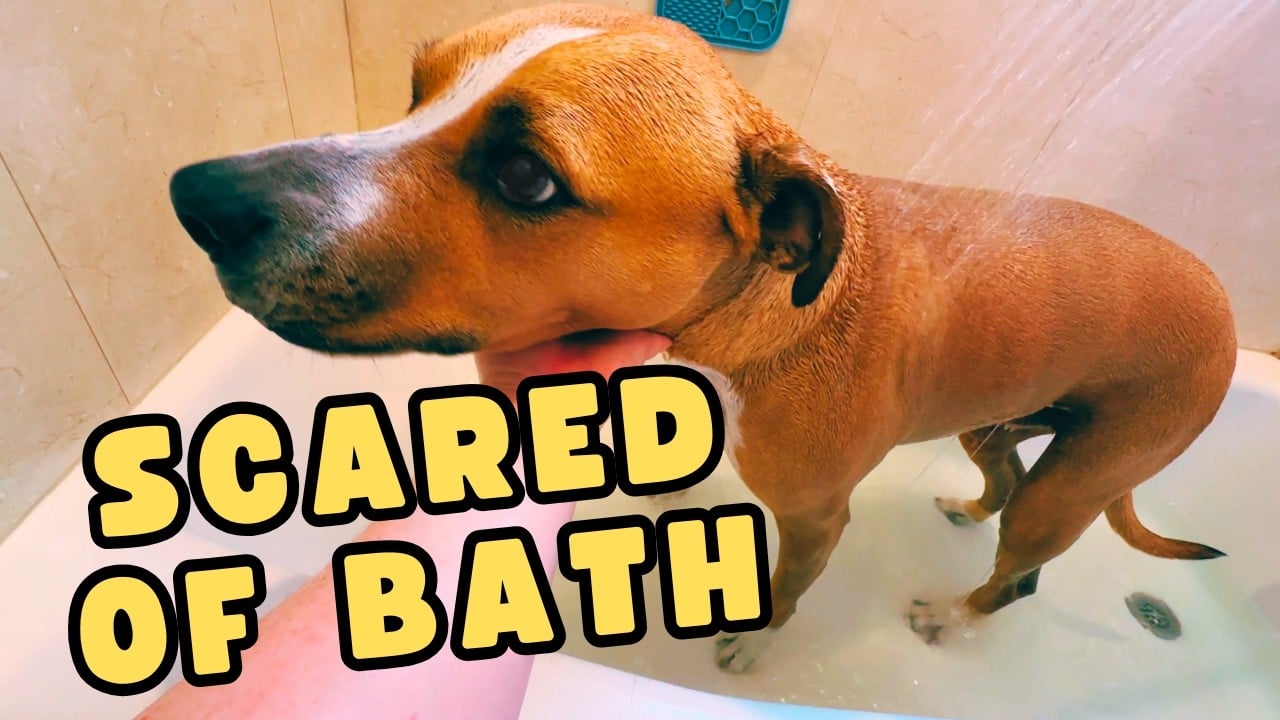
How to Bathe a Dog That Hates Water: Tips for a Stress-Free Bath
Giving your dog a bath can be a challenging task—especially if your furry friend is anxious or outright hates water. Many dogs associate baths with discomfort or fear, making the process stressful for both pet and owner. However, with the right approach, patience, and preparation, you can turn bath time into a more positive experience that minimizes stress and keeps your dog clean and healthy. In this article, we’ll explore practical tips and step-by-step guidance on how to bathe a dog that hates water, covering everything from preparation to handling techniques, creating a calming environment, and safely executing the bath.
Whether your dog is a water-hater due to past experiences, sensitive skin, or simply their personality, understanding their fears and adapting your approach can make all the difference. Let’s dive into effective strategies that will help you make bath time less stressful and even enjoyable—yes, enjoyable!—for your dog.
Preparing Your Dog for a Stress-Free Bathing Experience
The foundation of a successful bath for a water-averse dog starts well before the water touches their fur. Proper preparation helps reduce anxiety and builds positive associations with bath time. Begin by familiarizing your dog with the process gradually. For example, spend a few days encouraging your dog to associate certain cues—like setting out the towels or turning on the faucet—with positive experiences. Use treats, praise, or gentle play to create a sense of anticipation rather than fear around bath-related items.
It’s also crucial to recognize your dog’s individual temperament and previous experiences. If your dog has had negative water experiences, start with small, non-threatening interactions. For instance, let them sniff the bathing supplies, touch the water with their paw, or sit on your lap during some of the prep work. Keep sessions short and positive, gradually increasing exposure to the bath process over time. Patience is key—forcing your dog into the bath can backfire, intensifying their fear and resistance.
Another essential step in preparing your dog is making sure they are healthy and comfortable beforehand. A tired dog is often more relaxed, so scheduling bath time after a walk or play session can help. Also, ensure their coat is free of mats or tangles, as grooming discomfort can compound their distress during baths. Incorporating calming practices, like gentle massage or soothing voice commands, can further ease your dog’s nerves and set the stage for a smoother bath.
Choosing the Right Bathing Supplies and Water Temperature
Selecting the appropriate supplies is vital when bathing a dog that dislikes water. Use mild, dog-specific shampoos that are gentle on their skin and free of harsh chemicals or fragrances, as these can exacerbate discomfort or skin sensitivities. Having all your supplies ready beforehand—including towels, brushes, and rinsing tools—prevents unnecessary disruptions once you begin. For dogs that dislike water, using a handheld showerhead with adjustable pressure or a gentle spray nozzle can give you better control and reduce the sudden sensation of water hitting their body.
The water temperature also plays a crucial role in making the experience more tolerable. Lukewarm water—around 90°F to 100°F (32°C to 38°C)—is optimal, as it mimics natural body temperature and avoids the shock or discomfort of cold or hot water. Test the water temperature with your wrist or elbow before starting the bath, ensuring it’s comfortably warm but not scalding. Many water-hating dogs are sensitive to temperature extremes, which can increase their anxiety or cause skin irritation.
Additionally, consider using a non-slip mat inside the bathing area to prevent slips and falls, which can increase your dog’s fear of the environment. Having familiar objects, like their favorite toy or a blanket, nearby can also provide comfort during the bath. Remember, the goal is to create a safe, controlled environment where your dog feels secure and minimally stressed throughout the process.
Techniques for Gently Handling a Dog That Dislikes Water
Handling a dog that hates water requires patience and gentle techniques to build trust. Approach with calm, soothing body language—speak softly, avoid sudden movements, and maintain a relaxed posture. Using your voice as a calming tool, such as gentle praise or hummed tunes, can help reassure your dog that bath time isn’t a threat. When lifting or maneuvering your dog, support their body carefully and avoid restraining too tightly, which can escalate their anxiety or cause discomfort.
Gradually introduce water contact by starting with dampening their paws or rubbing a damp cloth over their body before progressing to more extensive rinsing. This slow desensitization technique helps your dog become accustomed to the sensation of water bit by bit. If your dog becomes distressed, pause and give them time to relax, then proceed when they show signs of calmness. Consider using treats or favorite toys as distractions or rewards during handling—this shifts their focus from fear to positive reinforcement.
During the bath, avoid splashing directly on their face or ears, as this can trigger panic. Instead, use a gentle cup or spray nozzle to carefully wet their coat, keeping the water flow steady and predictable. If your dog shows signs of extreme stress, such as trembling, whining, or attempting to escape, it’s best to take a break and regroup. Remember, the goal is to make the experience as gentle and stress-free as possible—never punish or scold your dog for their reactions.
Creating a Calm Environment to Reduce Bathing Anxiety
A calm, reassuring environment can significantly reduce your dog’s bathing anxiety. Choose a quiet, familiar space—like the bathroom or an outdoor tub area—free from loud noises or unfamiliar smells that might startle your dog. Dim lighting or soft music can also help create a soothing atmosphere, making the environment less intimidating. Before beginning, give your dog time to explore the area and associate it with positive experiences, such as treats or praise.
Using calming aids can further promote relaxation. Consider products like dog-safe pheromone diffusers, calming sprays, or herbal supplements, but always consult your veterinarian first. These can help lower your dog’s overall stress levels and make them more receptive to handling during bath time. During the process, speak in a gentle, reassuring voice, and maintain slow, deliberate movements. Avoid rushing or forcing your dog, as this can increase their anxiety and resistance.
Involving your dog in the process—such as giving a treat when they step into the bathing area or sit calmly—is another effective technique. Keep the bath sessions short initially, gradually increasing duration as your dog becomes more comfortable. End each session on a positive note with praise, treats, or play to reinforce that bath time isn’t all bad. Over time, these small steps help your dog associate bath time with calmness and reward rather than fear.
Step-by-Step Guidance for Bathing a Reluctant Dog Safely and Effectively
A systematic approach ensures you stay calm and organized, making the bathing process safer and less stressful. Start by placing your dog in the designated bathing area and allowing them to settle for a moment. Gently wet their paws and legs first, then gradually move upward, using a cup or gentle spray to keep water from startling them. Ensure your grip is firm yet gentle, supporting their body securely, especially if they tend to squirm or try to escape.
Apply a small amount of dog-friendly shampoo, starting from the neck and working downward, being careful to avoid their face and ears. Use your hand or a damp cloth to clean their face and head carefully, avoiding water or soap getting into their eyes or ears. Rinse thoroughly with lukewarm water, ensuring no residue remains—residual shampoo can irritate the skin. Throughout the process, talk softly and praise your dog frequently to reinforce calm behavior.
Once bathing is complete, wrap your dog in a towel and gently dry them, using a blow dryer on a low, cool setting if they’re comfortable with it. Reward your dog with treats or playtime afterward, associating the bath with positive outcomes. Stay patient, flexible, and attentive to your dog’s cues—if they become overwhelmed, pause, and try again later. Over time, consistency and gentle handling will help your dog build trust and reduce their aversion to water.
Conclusion
Bathing a dog that hates water can be a daunting task, but with the right mindset and techniques, it’s entirely achievable. Preparation, choosing the right supplies, gentle handling, creating a calming environment, and following a step-by-step process all contribute to a stress-free experience. Remember, patience and positive reinforcement are your best tools—never force your dog, and always prioritize their comfort and safety. Over time, your dog can learn to tolerate or even enjoy bath time, strengthening your bond and keeping them clean and healthy.
If your dog’s water aversion remains intense despite your efforts, consider consulting a professional dog trainer or veterinarian. They can provide additional strategies or identify underlying fears that may need special attention. Ultimately, the goal is to make bath time a safe, calm, and positive experience—transforming what once was a dreaded chore into a routine your dog can handle with confidence and trust.