


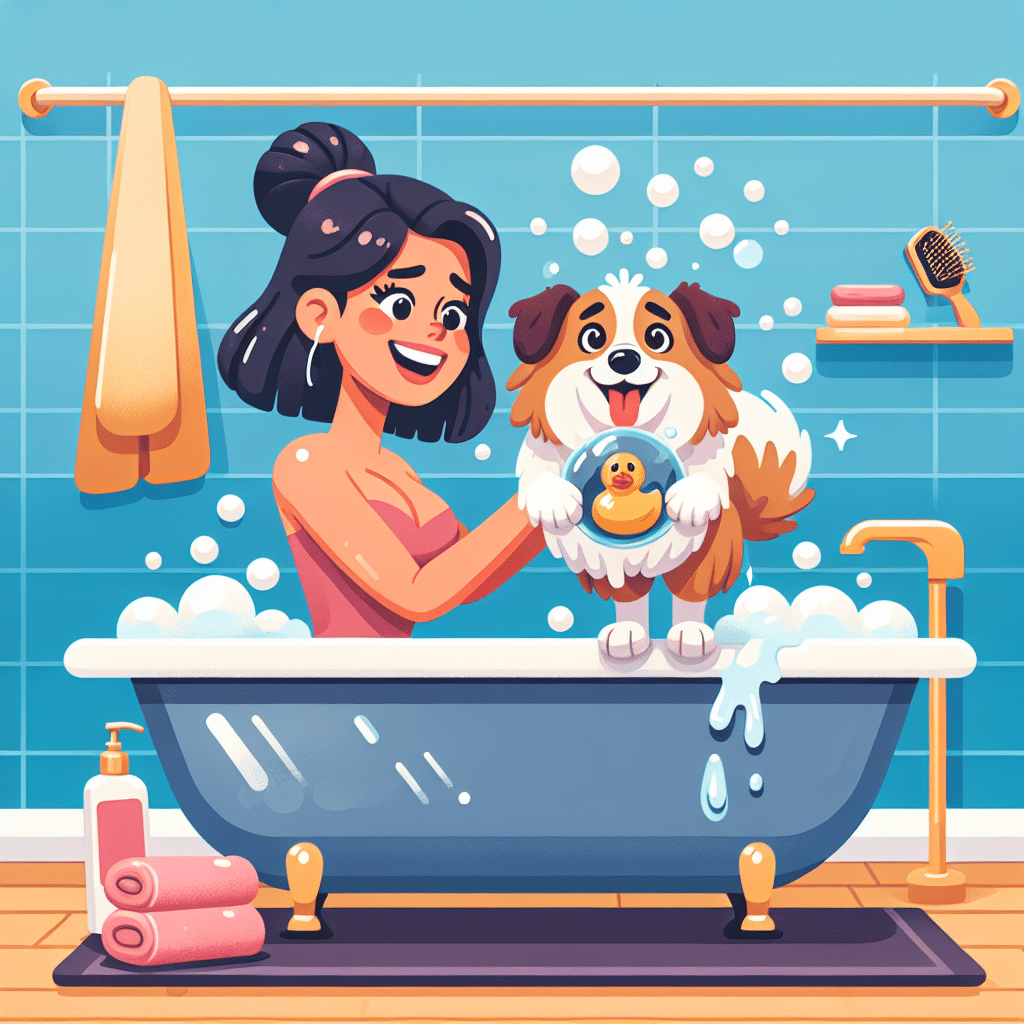
How to Bathe a Dog That Hates Water: Tips for Stress-Free Grooming
Bathing a dog can sometimes feel like a daunting task, especially when your furry friend is naturally anxious around water or downright hates it. The struggle to keep your pet calm and comfortable during bath time can turn into a stressful ordeal for both of you. However, with patience, preparation, and the right techniques, you can make grooming a positive experience—even for dogs that are water-averse. This article provides a detailed guide on how to approach bathing a dog that hates water, offering practical tips and strategies to ensure a stress-free grooming session that keeps your pup clean and happy.
Assessing Your Dog’s Comfort and Preparing for the Bath
Before you even turn on the water, it’s essential to understand your dog’s individual temperament and past experiences with baths. Some dogs may have had negative encounters with water, leading to fear or anxiety, while others might be more tolerant but still dislike sudden splashes or loud noises. Take time to observe your dog’s behavior in different situations, noting signs of stress like trembling, retreating, or vocalizing. This assessment helps you tailor your approach to your dog’s specific needs and set realistic expectations for the grooming process.
Preparation is key to a successful bath, especially for water-averse dogs. Start by grooming your dog before the bath—brushing out mats and loose fur can reduce the amount of shampoo and water needed. Ensure your dog is healthy and well-rested, as a tired or unwell dog might be more anxious or resistant. Additionally, consider the timing—choosing a calm moment when your dog is relaxed and not overly energetic can make a big difference. If your dog has traumatic memories associated with baths, consulting with a professional trainer or veterinarian for personalized advice can be a valuable step.
Creating a positive environment can significantly influence your dog’s comfort level. Use a calm, soothing voice and gentle handling to reassure your pet throughout the process. Allow your dog to sniff and explore the bathing area beforehand so they become familiar with the space. If your dog is particularly fearful, you might introduce a “pretend bath” routine—playing with the water without actually getting wet—to build positive associations. Remember, patience and empathy are vital; rushing or forcing your dog into the tub can exacerbate their fears and prolong the grooming process.
Choosing the Right Bathing Environment and Supplies for Water-Averse Dogs
Selecting the ideal environment for bathing a dog that hates water can make a significant difference. Many pet owners find that a walk-in shower, a bathtub with a non-slip mat, or a utility sink are effective options because they offer control and stability. Ensure the area is quiet, free of loud noises or distractions, and that you have easy access to all supplies. If possible, let your dog get accustomed to the space gradually, perhaps by spending some time in or near it without the bath happening immediately. This helps reduce anxiety linked to unfamiliar surroundings.
Having the right supplies on hand is crucial for a smooth grooming session. Use a dog-specific shampoo that’s gentle on their skin and free from harsh chemicals or fragrances, especially for sensitive skin types. Invest in a non-slip mat to prevent slipping and falling, which can increase your dog’s fear. A handheld sprayer or a cup for pouring water is preferable over a large showerhead, as it offers more control. Other helpful items include treats for positive reinforcement, a towel or drying robe, and a brush suitable for your dog’s coat type. Preparing everything beforehand minimizes disruptions during the bath and helps keep your dog calm and focused.
Additionally, consider the temperature of the water—lukewarm water (not hot or cold) is ideal, as it’s more comfortable and less startling. Make sure the environment is free of strong smells or other stimuli that could heighten your dog’s anxiety. If your dog is particularly nervous, you might also try placing a familiar blanket or toy nearby to provide comfort. Remember, establishing a consistent, comfortable environment for bath time helps your dog feel safe, making it easier for them to accept grooming routines over time.
Techniques for Gently Introducing Your Dog to Water and Building Trust
The foundation for a stress-free bath starts long before the water is turned on. Gently introducing your dog to water through positive associations can transform a dreaded task into an acceptable, even enjoyable experience. Begin by encouraging your dog to explore the bathing area without any water present. Use treats, praise, and calming words to create a positive link with the environment itself. Once your dog is comfortable with the space, slowly introduce water on a non-threatening level—perhaps by using a damp cloth or sponge on their paws and face, gradually increasing as they become more at ease.
Building trust is essential when working with a water-averse dog. Never force your pet into the tub or hold them down; instead, offer gentle encouragement and respect their boundaries. Use a calm, soothing tone to reassure your dog, and incorporate treats and praise frequently. For dogs with severe water anxiety, consider desensitization techniques—short, calm sessions where water is introduced in small amounts over days or weeks. This gradual exposure helps your dog associate water with positive experiences rather than fear.
Another effective strategy is to incorporate massage or gentle petting during the water introduction phase. This helps your dog feel more secure and builds a bond of trust between you. If your dog is particularly nervous, try to keep the sessions brief and end on a positive note. Remember, patience is key—rushing or displaying frustration can worsen your dog’s fears. Focus on creating a calm, reassuring presence to help your dog develop a more tolerant attitude towards water over time.
Step-by-Step Guide to Bathing a Dog That Hates Water
When it’s time to bathe your water-averse dog, a step-by-step approach can help keep things manageable and less stressful. Start by gently placing your dog in the bathing area and offering treats or praise to create a positive association. Use a non-slip mat to prevent slipping and make sure all supplies are within reach before beginning. Wet your dog gradually with lukewarm water, focusing on small sections at a time—start with their paws or legs, and slowly move upward, always speaking calmly. The goal is to avoid sudden splashes that can startle your dog.
Apply a small amount of dog-safe shampoo and gently massage it into their coat, paying extra attention to areas that need cleaning. Avoid getting shampoo in their eyes, ears, or mouth. When rinsing, use a handheld sprayer or cup to pour water gently and thoroughly, ensuring no residue remains, as leftover shampoo can cause irritation. Throughout the process, continue offering treats and praise to reinforce calm behavior. If your dog begins to show signs of stress, take a moment to comfort and reassure them before proceeding. Sometimes, breaking the bath into smaller sessions over multiple days can be more effective than trying to complete it all at once.
After rinsing, carefully lift your dog out and immediately wrap them in a soft towel or drying robe. Pat them dry gently to avoid irritating their skin and coat. Avoid using a high-heat blow dryer unless your dog is accustomed to it, as the noise and heat can increase stress. Instead, use a low or cool setting and keep the dryer at a safe distance. Once dry, reward your dog with affection and treats, and give them time to relax afterward. Remember, consistency and a gentle approach are vital—over time, your dog will learn that bath time isn’t a threat but a part of caring for them.
Tips for Ensuring a Calm and Stress-Free Bathing Experience
Creating a tranquil environment is the cornerstone of a stress-free grooming routine for dogs that dislike water. Keep the bathing area quiet and free from sudden noises or interruptions. Using calming pheromone sprays or diffusers designed for dogs can also reduce anxiety and promote relaxation. Incorporate calming music into the grooming environment, which can help drown out loud or startling sounds, and ensure your dog has plenty of space to move comfortably. Establishing a predictable routine, such as always bathing your dog at the same time and in the same place, can also foster a sense of security.
Positive reinforcement is essential for turning bath time into a more enjoyable experience. Reward your dog generously during and after the bath with treats, praise, or playtime. This helps your dog associate grooming with positive outcomes rather than fear. If your dog is particularly anxious, consider using calming supplements or natural remedies after consulting your veterinarian. Break the bathing process into small, manageable steps and take frequent breaks if needed. Remember to remain calm yourself—dogs pick up on your emotions, and a relaxed demeanor can help soothe their nerves.
Finally, after the bath, give your dog plenty of love and reassurance to help them recover from the experience. Offer a cozy space where they can relax, and don’t rush to put them through other stressful activities immediately afterward. Regularly practicing short, positive grooming sessions can help your dog build confidence and reduce fear over time. Remember, patience, consistency, and gentle handling are the keys to achieving a stress-free, even enjoyable, grooming routine for dogs that hate water.