


How to Bathe a Dog That Keeps Jumping Out: Tips for a Calm, Successful Wash
Bathing a dog can be a challenging task, especially when your furry friend constantly jumps out or becomes anxious during the process. Many dog owners struggle with this common issue, which not only makes the experience stressful for both pet and owner but can also compromise the cleanliness and health of your dog. The good news is that with the right strategies, patience, and understanding, you can turn bath time into a calmer, more enjoyable routine. This article explores effective ways to address a dog that keeps jumping out during baths, covering everything from understanding the behavior to creating a safe environment and building your dog’s confidence.
Whether your dog is a high-energy breed, nervous by nature, or simply dislikes water, this comprehensive guide provides practical tips to help you manage and improve their bathing experience. By the end, you’ll be equipped with actionable insights to keep your dog calm, reduce jumping, and make bath time a positive part of your routine.
Understanding Why Your Dog Keeps Jumping Out During Baths
The first step toward solving the problem of a jumping dog during bath time is understanding why your pet acts this way. Dogs may jump out of the bath for various reasons: discomfort, fear, excitement, or a desire to escape from an unfamiliar or stressful situation. Many dogs find the sensation of water or the confined space of the tub overwhelming, especially if they haven’t been accustomed to regular baths from a young age. Anxiety can manifest as jumping, trying to bolt, or even vocalizing.
Additionally, some dogs see bath time as a stressful event because of past negative experiences, loud noises, or rough handling. Dogs are highly perceptive animals that pick up on their owner’s emotions—if you’re anxious or hurried, your dog will likely mirror that tension. Conversely, overly energetic dogs may jump out simply because they’re excited or bored, and they need more mental or physical stimulation before or after bathing. Recognizing the underlying cause—whether fear, discomfort, or excitement—will help you tailor your approach to make bathing more manageable.
It’s also worth noting that some breeds are more prone to resisting baths due to their temperament or coat type. For example, terriers and hound breeds can be more independent, while breeds like retrievers or spaniels are generally more comfortable with water. Identifying your dog’s specific triggers and behaviors provides valuable insight into how you can modify your bathing routine to reduce their urge to jump out.
Preparing Your Dog and Setting Up a Safe Bathing Environment
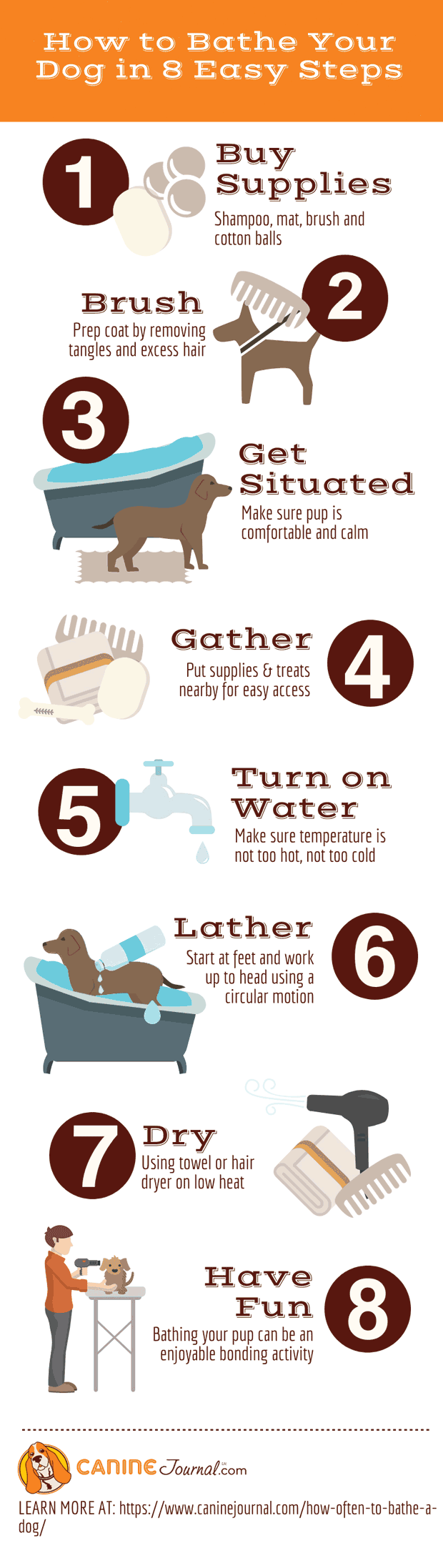
Preparation is key to creating a positive bathing experience for your dog and minimizing jumping or escape attempts. Before starting the bath, spend some time acclimating your dog to the environment. Allow them to sniff around the tub or bathing area, and use treats or praise to build positive associations. This helps reduce initial anxiety or curiosity that might lead to jumping out as a way of escaping unfamiliar surroundings.
Choosing the right location is also crucial. A non-slip mat inside the tub or bathing area provides stability and confidence for your dog, reducing the chance of slipping or feeling insecure. Ensure the water temperature is warm, but not hot—around 90-100°F (32-38°C)—to keep your dog comfortable and relaxed. Having all your supplies within arm’s reach—shampoos, towels, brushes—prevents unnecessary movement and interruptions during bath time, which can increase stress.
Additionally, consider the timing of baths. Avoid bathing your dog immediately after vigorous exercise, as they may be overly energetic or anxious. Instead, aim for a time when your dog is calm but alert. If your dog is particularly nervous, try starting with shorter, more frequent sessions that gradually build their comfort level. A calm, prepared environment significantly reduces the likelihood of your dog jumping out and makes the experience smoother for both of you.
Techniques for Calmly Handling a Jumping Dog During Bath Time
When your dog starts jumping out during a bath, staying calm and using gentle handling techniques can make all the difference. One effective method is to use calm, steady commands and redirection. For instance, teaching your dog to "stay" or "wait" during bath time creates a sense of control and boundaries. If your dog begins to jump, gently but firmly hold their collar or body without pulling or causing discomfort, and redirect their focus with treats or a toy.
Another helpful technique is to incorporate gradual desensitization. Instead of immersing your dog directly into a full bath, introduce water gradually—start by wetting their paws, then their legs, and slowly work up to the body. Use a handheld spray or a cup to control water flow, which gives you more precision and minimizes startling splashes. During this process, praise your dog for calm behavior and provide treats to reinforce positive associations with water.
Timing and patience are essential. If your dog becomes overly excited or anxious, it’s better to pause and give them a moment to settle down rather than forcing the bath. Incorporate calming techniques like gentle petting, soft voices, or even soothing music if your dog responds well to it. Consistency in handling and avoiding harsh commands or punishment will help your dog feel more secure and less likely to jump out in an attempt to escape stress.
Using Positive Reinforcement to Encourage Cooperative Bathing
Positive reinforcement is one of the most effective training tools to encourage calm behavior during baths. Reward your dog with treats, praise, or a favorite toy whenever they remain calm, stay in place, or follow commands during the process. For example, offering high-value treats when your dog accepts water on their paws or stays seated in the tub builds positive associations with bath time.
Timing is crucial. Immediately reward calm behavior, no matter how small, to reinforce what you want. If your dog jumps out or becomes restless, calmly guide them back to the bath area without scolding, and reward them once they settle down again. This approach helps your dog understand that staying still and cooperative results in positive outcomes, reducing their desire to escape or jump out in future baths.
Consistency in using positive reinforcement over time will significantly improve your dog’s cooperation. Incorporate training sessions outside of bath time to build overall obedience and confidence. When your dog begins to associate baths with positive experiences rather than fear or discomfort, they’re more likely to remain calm and less inclined to jump out. Remember, patience and persistence are key—celebrate small victories and keep the experience as stress-free as possible.
Tips for Building Your Dog’s Confidence and Comfort with Bathing
Building your dog’s confidence around bath time is a gradual process that involves patience, positive experiences, and respect for their comfort level. Start by introducing your dog to the bathing environment in a non-threatening way, such as allowing them to explore the area and offering treats. Over time, incorporate short, positive sessions where you gently handle their paws, ears, and coat, associating these actions with rewards.
Gradually increase the exposure to water in a controlled manner. For example, begin by moistening their paws or coat with a damp cloth, gradually moving to rinsing parts of their body. Keep sessions short, positive, and ending with plenty of praise or playtime to leave your dog feeling successful. Consistency is crucial—regular, gentle exposure helps your dog become accustomed to the process and reduces the likelihood of panic or jumping out.
Another helpful tip is to incorporate calming aids if your dog is particularly anxious. Products like calming sprays, pheromone diffusers, or supplements designed for anxiety can promote relaxation. Training your dog to associate bath time with fun activities or their favorite toys also boosts confidence. Remember that every dog responds differently—what works for one may not work for another—so be attentive to their cues and adjust your approach accordingly. Building trust and confidence ensures that bath time becomes a manageable, even enjoyable, part of your dog’s routine.
Conclusion
Dealing with a dog that keeps jumping out during baths can be frustrating, but with patience, preparation, and positive techniques, you can transform bath time into a calmer, more successful experience. Understanding why your dog reacts this way—whether out of fear, discomfort, or excitement—is essential to addressing the behavior effectively. Creating a safe, comfortable environment, using gentle handling techniques, and reinforcing positive behaviors all contribute to reducing jumping and anxiety.
Building your dog’s confidence through gradual exposure and positive associations is just as important as the physical routines. Remember, every dog is unique, and progress may take time, but consistency and kindness will pay off. With these tips, you’ll be well on your way to enjoying stress-free baths that keep your dog healthy, clean, and happy—a win-win for both of you. So, get ready to turn bath time into a calm, bonding experience your furry friend can look forward to!