


How to Bathe a Dog That Rolled in Animal Waste: Tips and Step-by-Step Guide
Getting your dog dirty is part of being a pet owner, but what happens when your furry friend decides to roll in animal waste? It’s a situation that can be both gross and concerning, especially since animal waste can carry bacteria, parasites, and unpleasant odors that are harmful or just plain unpleasant. The good news is that with patience, proper technique, and the right supplies, you can safely and effectively clean your dog, restoring their hygiene and comfort.
In this detailed guide, we’ll walk you through an essential, step-by-step process on how to bathe a dog that rolled in animal waste. From assessing the contamination to post-bath care, each step is designed to ensure your pet’s safety, minimize stress, and get rid of stubborn odors and residues. Whether you’re a first-time dog owner or have faced this situation before, these tips will help you handle it confidently and efficiently.
Assessing the Extent of Contamination and Preparing the Bathing Area
Before diving into the cleaning process, take a moment to evaluate how dirty your dog is and determine the best course of action. Check the severity of the contamination—was it just a quick roll in a small patch of waste, or did they get into a more extensive mess? This assessment helps you decide whether you need a simple quick rinse or a full, deep bath. Also, consider your dog’s size, breed, and coat type, as these factors influence the cleaning method and products to use.
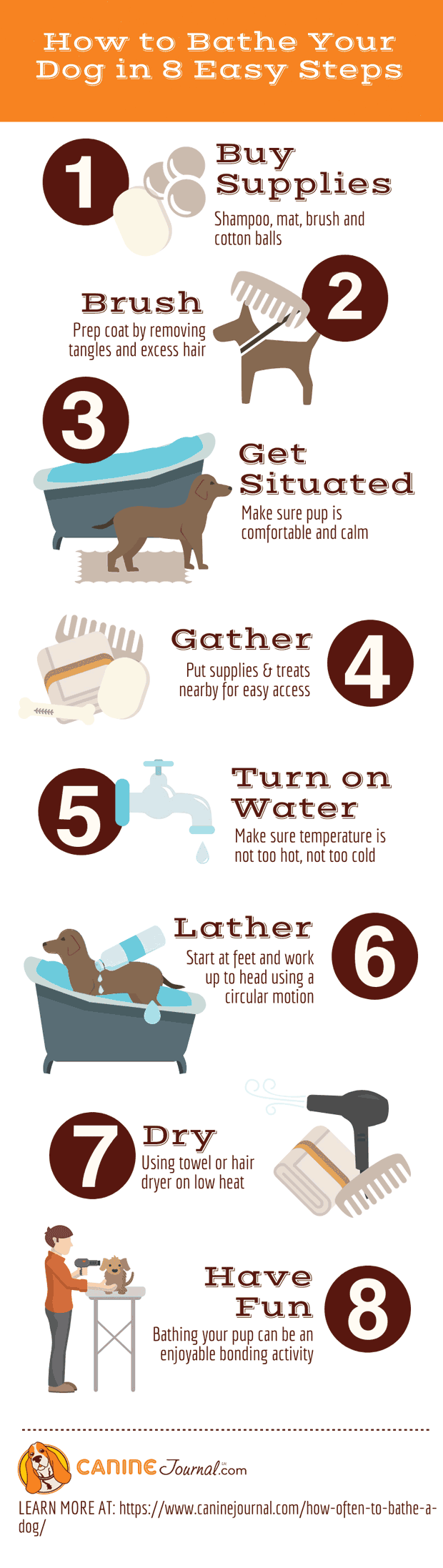
Once you’ve assessed the situation, prepare the bathing area to ensure safety and efficiency. Choose a space that offers good drainage and is easy to clean afterward—most pet owners use the bathtub, a large utility sink, or an outdoor setup with a hose and a tub or kiddie pool. If bathing outdoors, pick a shaded spot to prevent your dog from getting too cold and to reduce stress from noise or distractions. Protect your flooring with old towels or waterproof mats to prevent water damage and make cleanup easier. Keep hot water available but not scalding—lukewarm water is ideal for most dogs, especially those with sensitive skin. Also, ensure the area is free of hazards like slippery surfaces or sharp objects that could cause injury during the bath.
Another crucial step is to gather all your supplies beforehand. Having everything within reach reduces the chaos during the cleaning process. Keep towels, waterproof aprons, gloves, brushes, dog-friendly shampoo, and any other cleaning agents ready. If your dog is particularly anxious or stubborn, consider using calming aids or treats to make the experience more positive. Remember, patience is key—especially if your pet is distressed or uncomfortable with the process. Taking these initial steps ensures a smoother, safer bathing experience and minimizes the risk of accidents or further stress.
Gathering Essential Supplies and Setting Up a Safe Bathing Environment
A well-prepared setup is the foundation for successful cleaning when your dog has rolled in animal waste. Start by collecting all necessary supplies—this includes dog-safe shampoo, a gentle conditioner if needed, a large sponge or washcloth, waterproof gloves, and towels for drying. You might also want a dog-friendly deodorizer or odor-neutralizing spray to help eliminate lingering smells. For stubborn residues, a specialized enzymatic cleaner can be useful, especially if the waste was particularly foul or involved organic matter.
Creating a safe and calm bathing environment helps reduce your dog’s anxiety and makes the process easier for both of you. Use non-slip mats or towels in the bathing area to prevent slipping, which can be especially important for small or slippery-coated breeds. If you’re outdoors, ensure the area is shaded and protected from wind or other elements that could make the dog uncomfortable or cause the water to cool down too quickly. Indoors, make sure the space is warm enough and free of clutter that could cause accidents. Consider using a handheld showerhead or a gentle spray nozzle to control the water flow, which makes rinsing more precise and less stressful for your pet.
Always wear waterproof or rubber gloves when handling animal waste, as this protects you from bacteria and parasites that can be transmitted. Additionally, keep a bucket of clean water nearby to rinse your dog thoroughly and prevent recontamination. If your dog tends to be nervous or resistant to baths, setting up a calm environment with soothing music or treats can help. Remember, patience and a gentle approach are your best tools, so take your time to create an atmosphere that encourages cooperation and trust.
Properly Removing Waste and Initial Cleaning of the Dog’s Coat
The first step in cleaning your dog after they’ve rolled in waste is to carefully and thoroughly remove any visible matter. Use gloves and a damp cloth or paper towels to gently lift off the bulk of the waste, avoiding vigorous rubbing that might irritate your dog’s skin or push debris further into the coat. For stubborn spots, a soft brush or scraper can help dislodge dried or caked material without damaging the fur. Be especially cautious around sensitive areas like the face, ears, and eyes—these regions require gentle cleaning to prevent discomfort or injury.
Once you’ve removed the large debris, it’s essential to rinse the affected areas with lukewarm water. Use a handheld shower or a gentle spray to flush out loose waste particles from the coat. This initial rinse not only helps eliminate surface residue but also reduces the overall odor. If the waste was particularly smelly or sticky, applying an enzymatic cleaner or a pet-safe degreaser before shampooing can be very effective in breaking down organic matter and neutralizing odors. Follow the product instructions carefully to avoid skin irritation or chemical reactions.
During this early cleaning stage, be attentive to your dog’s comfort and safety. Keep the water pressure moderate to prevent startling or hurting your pet. Use a mild, dog-specific cleaning agent when necessary—regular human shampoos can be too harsh or irritating for dogs’ skin. Once you’ve rinsed thoroughly, towel-dry the coat lightly to prepare for shampooing. Remember, patience and gentle handling are crucial here to make your dog feel safe and reduce stress, especially after an unpleasant experience like rolling in animal waste.
Shampooing and Deep Cleaning to Eliminate Odors and Residue
After the initial removal and rinsing, it’s time for a thorough shampooing to eliminate odors and residual waste. Choose a dog-specific shampoo formulated to address foul smells, bacterial contamination, and organic residues. Enzymatic shampoos are particularly effective as they break down organic matter and neutralize odors at a molecular level. Work the shampoo into a rich lather, paying special attention to areas where waste was present, but avoid excessive scrubbing that could irritate your dog’s skin. Massage gently to ensure even distribution and to promote circulation, which helps in relaxing your pet during the process.
Allow the shampoo to sit for a few minutes if recommended by the manufacturer—this allows the active ingredients to work more effectively. During this time, you can gently massage your dog or talk soothingly to help reduce their anxiety. Use plenty of water to rinse thoroughly, ensuring no shampoo residue remains, as leftover product can cause irritation or attract dirt. Pay extra attention to folds, ears, and paws, where waste particles tend to lodge more deeply. For breeds with longer or denser coats, a thorough combing while shampooing can help dislodge embedded dirt and improve cleanliness.
Deep cleaning isn’t just about odor removal—it also helps eliminate bacteria, parasites, and other pathogens that may have been present in the waste. If your dog has rolled in particularly foul or contaminated waste, it might be worth repeating the shampooing process once or twice. After rinsing, consider applying a dog-safe deodorizer or finishing spray that adds a fresh scent and prolongs the cleanliness. Ending with a gentle, caring touch reinforces your dog’s comfort and trust, making future baths less stressful.
Drying, Brushing, and Post-Bath Care to Ensure Comfort and Freshness
Once your dog is thoroughly clean, drying is an essential step in preventing discomfort and skin issues. Towel-drying is usually sufficient for many breeds, but for dogs with thick or long coats, a blow dryer on a low, cool setting can speed up the process and help remove excess moisture. Always keep the dryer moving to avoid overheating any area and maintain a comfortable environment for your pet. Be gentle and reassuring throughout this process—many dogs find the sensation of a blow dryer unsettling initially, but with patience, they often grow more comfortable.
After drying, brushing your dog’s coat helps remove remaining loose hair, prevent matting, and distribute natural skin oils that keep their coat healthy and shiny. Use an appropriate brush or comb suited to your dog’s fur type—slicker brushes for longer or curly coats, pin brushes for short-haired breeds. Brushing also serves as a good opportunity to check your dog’s skin for any signs of irritation, redness, or parasites that might have been overlooked during cleaning. For dogs with sensitive skin, consider using hypoallergenic or soothing products during the grooming process.
Finally, provide post-bath care to ensure your dog’s comfort and overall well-being. Offer plenty of praise, cuddles, and treats to associate bath time with positive experiences. If your dog seems stressed or cold, provide a warm, cozy blanket or bed to help them relax and recover from the ordeal. Regular baths after such incidents not only keep your dog clean but also help prevent skin infections and odors from building up. Remember, patience and kindness turn a stressful experience into a bonding opportunity, making future baths easier and more pleasant for both of you.
Conclusion
Dealing with a dog that has rolled in animal waste may not be the most pleasant task, but with the right approach, it can be managed safely and effectively. Start by assessing the contamination and preparing a suitable bathing environment, gathering all necessary supplies beforehand. Carefully remove the waste, rinse thoroughly, and then proceed with shampooing, focusing on deep cleaning and odor neutralization. Post-bath, ensure your dog is dried, brushed, and comfortable, turning what could be a stressful ordeal into a positive experience.
Remember, patience, gentle handling, and the use of dog-specific products are your best tools for a successful cleanup. Regularly checking your dog’s skin and coat after such incidents can help catch any issues early and keep your pet healthy and happy. By following these detailed steps, you’ll not only restore your dog’s cleanliness but also reinforce your bond through caring and attentive grooming. Next time your furry friend decides to get into trouble, you’ll be well-equipped to handle it with confidence—making cleanup less of a chore and more of a caring routine.