


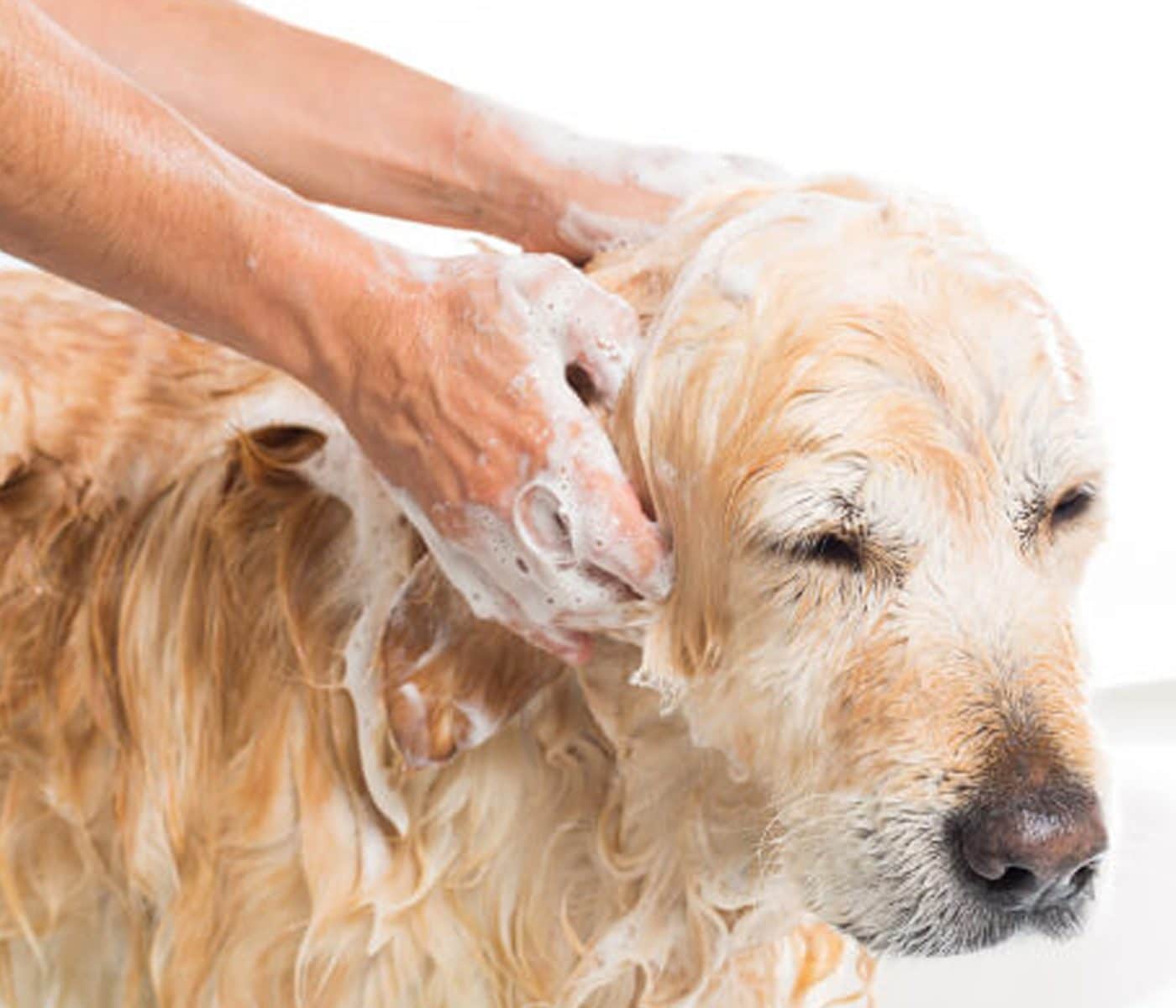
How to Bathe a Dog Who Keeps Escaping the Tub: Tips & Tricks
Bath time can be a challenging experience for many dog owners—especially when your furry friend is determined to escape the tub at all costs. If your dog keeps squirming, slipping out, or outright refusing baths, you’re not alone. Some dogs find the whole process stressful or frightening, leading them to bolt the moment water or the tub appears. The good news is, with the right approach, you can turn bath time from a chaotic ordeal into a calmer, more manageable routine. This article explores practical tips and tricks on how to bathe a dog who keeps escaping the tub, covering everything from understanding your dog’s behavior to alternative bathing options.
Understanding Why Your Dog Escapes During Bath Time
Before jumping into solutions, it’s crucial to understand why your dog might be trying to escape during bath time. Many dogs associate baths with discomfort or fear, especially if previous experiences have been stressful or if they’ve been handled roughly. Anxiety can cause them to panic and attempt to flee, which is a natural survival instinct. Recognizing these emotional responses allows you to address the root of the problem effectively.
Fear of Water: Some dogs are naturally aquaphobic or have had negative water experiences. They may feel vulnerable or insecure when submerged or sprayed with water, prompting frantic escape attempts. Understanding your dog’s comfort level with water can help you tailor your approach, perhaps starting with shallow water or using non-slip mats to boost confidence.
Lack of Proper Conditioning: If your dog has never been accustomed to bathing gradually or hasn’t had positive associations with baths, they’re more likely to resist. Puppies or rescue dogs with limited socialization may be especially sensitive. Early and gentle exposure, paired with treats and praise, can help build a more positive attitude towards bath time.
Physical Discomfort or Medical Issues: Sometimes, dogs escape because they’re in pain or discomfort. Skin irritations, sore paws, or joint issues can make the bathing process unpleasant. If your dog suddenly starts trying to escape, consider consulting a vet to rule out medical causes. Addressing any physical discomfort can dramatically improve their willingness to stay during baths.
Understanding these behavioral and emotional factors is the first step to developing an effective bathing routine that minimizes your dog’s urge to escape.
Preparing Your Dog and Bathing Environment for a Successful Wash
Proper preparation is key to making bath time smoother, especially for dogs prone to escaping. Creating a calm, secure environment can significantly reduce anxiety and resistance. Start by selecting a suitable bathing spot—whether it’s a bathtub, sink, or outdoor tub—ensuring it’s non-slip and comfortable for your dog’s size. Placing a rubber mat or towel at the bottom can prevent slipping, which often triggers panic and movement.
Next, gather all necessary supplies beforehand: gentle dog shampoo, towels, a cup or sprayer for rinsing, and treats for positive reinforcement. Having everything within reach minimizes interruptions and keeps the process streamlined, helping your dog stay calmer. It’s also beneficial to keep the water at lukewarm temperature—neither too hot nor too cold—to avoid startling or discomforting your pet.
Another aspect of preparation involves your own mindset. Staying calm, patient, and composed sets a reassuring tone for your dog. Use a soothing voice and gentle handling to communicate safety and trust. If your dog has a history of escaping or struggles with baths, consider starting with short, positive sessions outside of the water to build confidence. Let your dog explore the area, get accustomed to your touch, and associate the space with positive experiences like treats and praise.
Finally, ensure your bathing environment is free of distractions or hazards. Keep electrical cords out of reach, remove sharp objects, and consider using calming aids like pheromone sprays or calming music if your dog tends to be particularly anxious. Proper preparation transforms what could be a stressful ordeal into a manageable, even pleasant, experience.
Techniques to Calm and Secure a Nervous or Escaping Dog During Baths
Once your environment is prepared, employing the right techniques can help calm a nervous dog and keep them safely in place during bath time. The goal is to create a sense of security and control, reducing their instinct to escape. Start by using soothing, confident body language—standing tall, speaking softly, and avoiding sudden movements. Your calm demeanor can be incredibly reassuring for an anxious dog.
One effective method is to use a gentle leash or harness during the bath. Attaching a non-restrictive harness or a leash to a secure point can prevent your dog from slipping away while still allowing some movement. Be careful not to pull or restrain too tightly, as this can increase stress. Instead, gently guide your dog with the leash, offering treats and praise to encourage cooperation. Many owners find that a slip-leash or a grooming loop can provide gentle control without causing discomfort.
Another technique involves desensitization and gradual exposure. Introduce water gradually—start by just getting your dog accustomed to the sound of running water or wetting their paws. Use treats and praise at each step to reinforce positive associations. If your dog begins to panic, calmly stop and give them space to relax before proceeding again. Over time, slow, patient exposure can diminish fear responses, making bath time less intimidating.
Incorporate calming aids like calming sprays or pheromone diffusers designed for dogs. These can help reduce anxiety and promote relaxation. Additionally, consider using a calming blanket or vest, which applies gentle pressure to provide comfort. Remember, patience is key; rushing or forcing your dog can heighten their distress and increase the likelihood of escape attempts. By employing these calming techniques, you can make bath time a safer, more secure experience for your dog.
Using Positive Reinforcement and Gradual Training to Prevent Future Escapes
Addressing escape behavior isn’t just about managing the moment—it’s about modifying your dog’s associations and behaviors over the long term. Positive reinforcement training is one of the most effective strategies to teach your dog that bath time can be a positive experience rather than a scary ordeal. Consistently rewarding calm behavior, patience, and cooperation during baths encourages your dog to repeat those behaviors.
Begin by pairing the idea of bath time with treats and praise before even turning on the water. For example, give your dog a special treat or a favorite toy when you bring out the bathing supplies. During the bath, reward your dog for staying calm, using high-value treats, gentle petting, or praise. Over time, this creates a positive association, reducing anxiety and resistance. Remember to keep training sessions short and frequent, gradually increasing the duration as your dog becomes more comfortable.
Gradual training also involves desensitization and counter-conditioning. Break down the bathing process into manageable steps—touching paws, getting wet, applying shampoo—and reward each step. Repeat these steps slowly, and only move forward when your dog remains relaxed. This process helps your dog build confidence and learn that bath-related activities are safe and rewarding. Consistency and patience are vital; with regular practice, your dog will associate bath time with positive outcomes instead of fear or escape.
Incorporate daily routines that promote calmness and trust, such as gentle grooming or handling exercises unrelated to baths. These practices strengthen your bond and help your dog become more comfortable with handling and restraint in general. Over time, you’ll notice fewer escape attempts, and baths can become a smoother, less stressful experience for both of you.
Alternative Bathing Options for Difficult Dogs and Troubleshooting Common Issues
If despite your best efforts, your dog continues to escape or become extremely distressed during baths, it’s worth considering alternative solutions. Sometimes, traditional baths just aren’t feasible, especially for dogs with severe water phobias or medical conditions. In such cases, dry shampoo, waterless baths, or professional grooming services can be effective alternatives that keep your dog clean without the stress of a full water bath.
Dry shampoos and waterless bathing products are designed to clean your dog’s coat without the need for rinsing water. They can be applied with a sponge, brush, or spray, making them ideal for dogs who panic at the sight of water or for those with sensitive skin. These products are readily available at pet stores and should be used according to instructions, ensuring your dog remains comfortable and clean. Waterless baths are especially helpful for quick touch-ups or in situations where a full bath isn’t possible.
Professional groomers can also be a great resource. Experienced groomers are skilled in handling difficult or escape-prone dogs and can perform thorough baths in a controlled environment. Some groomers offer sedation services if your dog has severe anxiety, although this should always be discussed with your veterinarian. Additionally, grooming salons often have specialized equipment and techniques to safely bathe dogs who struggle with traditional methods.
Finally, troubleshooting common issues—such as your dog slipping, panicking, or trying to bite—can involve simple adjustments. For example, using a harness instead of a collar can prevent choking or injury, while employing calming techniques and gradually building trust can reduce overall anxiety. If your dog’s escape behavior persists despite these efforts, consulting with a professional trainer, behaviorist, or veterinarian can provide tailored strategies to help your dog feel safer and more comfortable during bath time.
Conclusion
Bathing a dog who keeps escaping the tub is a common challenge, but it’s one you can overcome with patience, preparation, and the right techniques. Understanding your dog’s emotional and physical responses lays the foundation for a more effective approach. Creating a calm, secure environment and employing gentle control methods can help your dog feel safe during baths. Incorporating positive reinforcement and gradual training builds trust and reduces resistance over time, making future baths easier. When traditional methods aren’t effective, exploring alternative options like waterless shampoos or professional grooming can be practical solutions.
Remember, every dog is unique, and what works for one may not work for another. The key is to remain patient, consistent, and compassionate throughout the process. With time and effort, you can turn bath time from a stressful event into a manageable, even enjoyable, routine for you and your beloved pet. Don’t hesitate to seek professional help if needed—sometimes, expert guidance makes all the difference. Happy bathing!