


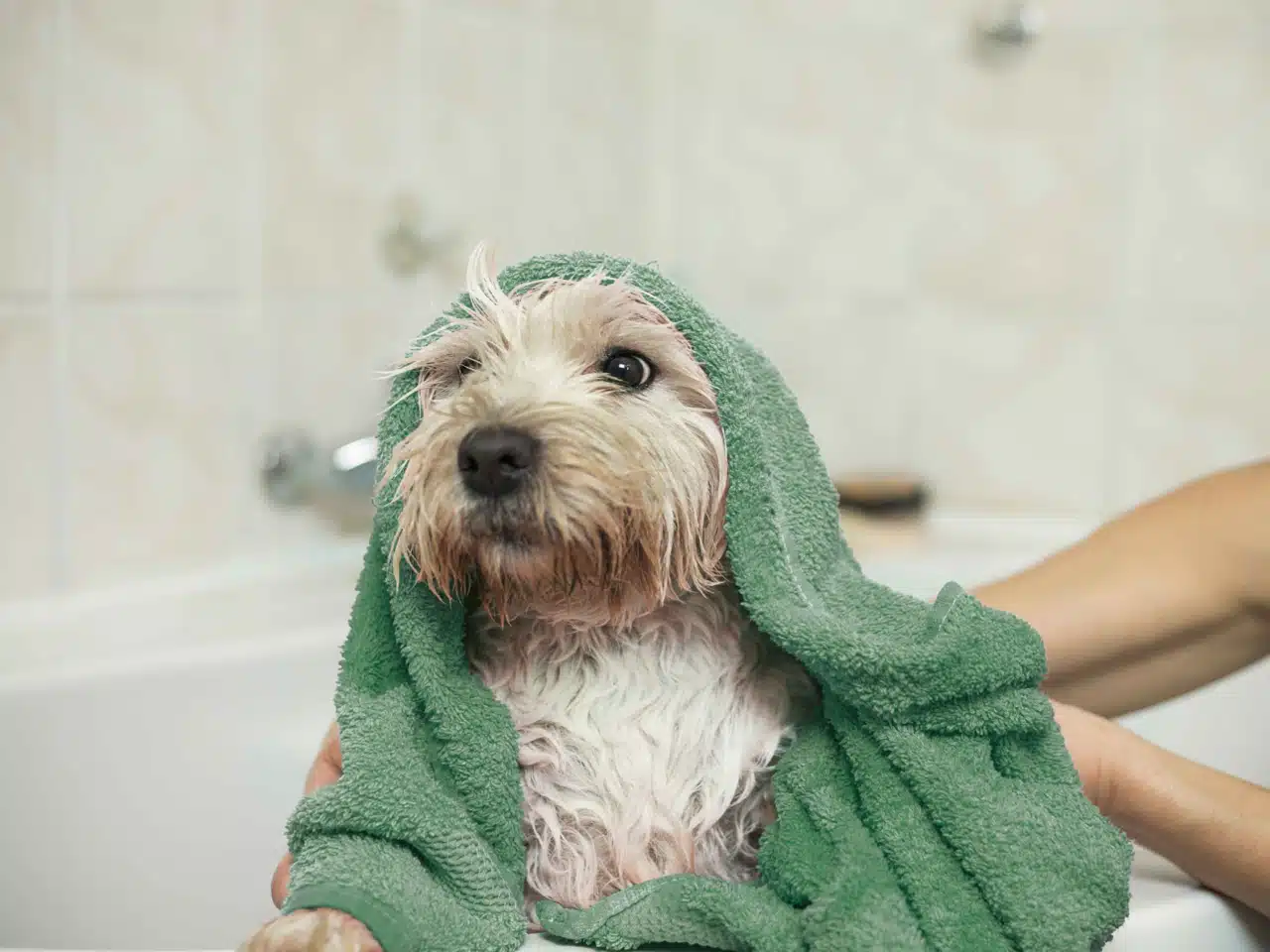
How to Bathe a Dog Who Refuses to Sit: Tips for a Stress-Free Grooming
Bath time can be a challenging experience for many dog owners, especially when your furry friend refuses to sit still or becomes anxious during grooming. Some dogs are naturally skittish, others may have had negative past experiences, and certain breeds are simply less tolerant of being bathed. When your dog refuses to sit during bath time, it not only complicates the process but also increases stress levels for both of you. The good news is, with the right approach, patience, and understanding, you can turn grooming into a positive experience that builds trust rather than fear.
In this article, we’ll explore why some dogs resist sitting during baths, how to prepare both your dog and your bathing area for a calm session, effective techniques for handling resistant pups, a step-by-step guide to bath a dog who won’t sit, and tips to make future grooming sessions more comfortable. Whether you’re a first-time dog owner or a seasoned pet parent, these insights will help you approach bath time with confidence and kindness, ensuring your dog stays clean and happy without unnecessary stress.
Assessing the Reasons Behind Your Dog’s Discomfort During Bathing
Understanding why your dog refuses to sit during bath time is the first step toward resolving the issue. Dogs may resist grooming for a variety of reasons—fear, past trauma, health issues, or simply being unfamiliar with the process. Recognizing these underlying causes can help you tailor your approach and reduce your dog’s anxiety.
Fear is one of the most common reasons dogs dislike baths. Many dogs associate water with negative experiences, especially if they’ve been scolded or handled roughly in the past. Sensory sensitivities also play a role; some dogs find the sound of running water, the feeling of being restrained, or the scent of shampoo overwhelming. For them, the unfamiliar environment and handling can trigger stress responses like trembling, trying to escape, or outright refusal to sit.
Health issues might also contribute to your dog’s resistance. Skin problems, arthritis, or joint pain can make lying down or sitting uncomfortable during a bath. If your dog suddenly starts resisting and shows signs of pain when touched, consulting your veterinarian is vital. Lastly, some breeds are less tolerant of bathing due to their coat type or temperament. For example, terriers and hounds often dislike water, while others like retrievers usually enjoy it, provided their experience has been positive.
By closely observing your dog’s behavior—note signs of fear, discomfort, or pain—you can identify the specific reasons behind their resistance. This understanding allows you to create a customized grooming plan, whether it involves desensitization, medical attention, or gentle handling techniques, ultimately making bath time a less stressful experience for your furry friend.
Preparing Your Dog and Bathing Area for a Stress-Free Experience
Preparation is key to turning bath time into a positive, stress-free experience, especially when your dog refuses to sit calmly. Creating a calm environment, choosing the right location, and setting up necessary supplies beforehand can significantly reduce anxiety and resistance.
Begin by selecting a comfortable, familiar space for bathing—many owners prefer to use the bathtub, a sink, or a dedicated grooming tub. Ensure the area is clean, free from distractions, and has all the supplies within reach—such as dog shampoo, towels, a cup or sprayer for rinsing, and treats. Using non-slip mats in the bathing area helps your dog feel secure and prevents slipping, which can heighten their discomfort and lead to resistance.
Next, consider your dog’s preferences and sensitivities. For example, some dogs prefer lukewarm water over cold or hot water, which can be startling or uncomfortable. Before starting the bath, gently introduce your dog to the environment—allow them to sniff and explore the space, and use treats or praise to create positive associations. If your dog is particularly anxious, calming aids like pheromone sprays or calming music can help soothe their nerves.
Finally, be mindful of your own demeanor. Dogs pick up on their owner’s mood, so stay calm, patient, and reassuring throughout the process. Speaking softly, maintaining steady movements, and offering treats or praise can help your dog associate bath time with a safe, pleasant experience. Proper preparation sets the tone for a more cooperative and less stressful grooming session.
Techniques for Gently Handling a Dog Who Refuses to Sit During Bathing
Handling a dog that resists sitting during bath time requires patience, gentle techniques, and a good understanding of canine body language. The goal is to make your dog feel safe and secure while minimizing stress and resistance. Here are several effective strategies to help you manage the situation.
First, use positive reinforcement to encourage cooperation. Offer treats, praise, or gentle petting when your dog remains calm or shows signs of relaxation. This helps your dog associate bath time with positive experiences rather than fear. If your dog is particularly anxious, break the process into small steps—such as getting into the bathing area, standing on the mat, or letting you touch certain areas—rewarding your dog at each stage.
Second, employ gentle restraint techniques that do not cause discomfort or fear. Instead of forcing your dog into a sitting position, try to support their body softly, allowing them to decide how to position themselves. For example, if your dog refuses to sit, you can kneel or sit on the floor and gently guide them into a comfortable stance using treats or toys as distractions. Never use force, yelling, or rough handling, as this can increase resistance and damage trust.
Third, consider alternative positions that may be more tolerable for your dog. Some dogs prefer standing, lying on their side, or even sitting in your lap. If your dog is more relaxed in a particular position, adapt your technique accordingly. For example, if your dog prefers to stand, hold them gently but firmly with your arm around their chest, offering treats and praise to keep them calm. Using calming tools like a gentle leash or harness can also help you guide your dog without causing panic.
By handling your resistant dog with empathy and patience, you reinforce trust and gradually desensitize them to the bathing process. Remember, every dog is unique, so tailoring your approach to their comfort level is essential.
Step-by-Step Guide to Bathing a Dog That Is Resistant to Sitting
Bathing a dog who refuses to sit can seem daunting, but breaking down the process into manageable steps makes it more approachable. Here’s a practical, step-by-step guide to help you bathe your resistant pup successfully while keeping their stress levels low:
-
Introduce the Environment: Before starting, let your dog explore the bathing space. Use treats and praise to create positive associations. Allow them to sniff and get comfortable.
-
Use Gentle Handling: If your dog refuses to sit, don’t force them. Instead, support their body gently and guide them into a comfortable standing or lying position if possible. Use treats and calming words to encourage cooperation.
-
Wet the Coat Gradually: Use lukewarm water and a handheld sprayer or cup. Start from the legs and lower body, avoiding the face initially, so your dog doesn’t feel overwhelmed. Speak softly throughout this step.
-
Apply Shampoo Carefully: Gently massage dog-friendly shampoo into their coat, avoiding the eyes and ears. Use positive reinforcement—treats and praise—to associate the process with good things.
-
Rinse Thoroughly: Make sure to rinse all shampoo residues, as leftover soap can cause irritation. Use a gentle stream of water, and keep talking to your dog in a reassuring tone.
-
Address the Face and Ears: Use a damp cloth for the face, avoiding direct water contact. If your dog is particularly sensitive, consider using tearless, vet-approved wipes.
-
Dry Your Dog: Wrap your dog in a soft towel to absorb excess water. For dogs tolerant of hair dryers, use the lowest setting and keep the dryer at a safe distance, always monitoring your dog’s comfort.
-
Reward and Calm: Once the bath is complete, shower your dog with praise, treats, and affection. Keep the environment calm to reinforce a positive experience.
By following these steps patiently, your dog can learn to tolerate baths even if they initially resist sitting. Remember, consistency and positive reinforcement are key to making grooming sessions smoother over time.
Tips for Making Bath Time More Comfortable and Trust-Building for Your Dog
Transforming bath time from a stressful ordeal into a trust-building activity requires a thoughtful approach and patience. Here are some practical tips to make grooming sessions more comfortable for your dog and reinforce your bond:
-
Use Rewards and Praise Generously: Never underestimate the power of treats, praise, and gentle petting. Reward your dog after each successful step, helping them associate bath time with positive experiences.
-
Keep Sessions Short and Calm: Especially if your dog is particularly anxious, keep baths brief and calm. Gradually increase the duration as your dog becomes more comfortable with the process.
-
Incorporate Desensitization and Counter-Conditioning: Regularly expose your dog to water, grooming tools, and handling in non-bathing contexts. For instance, practice touching their paws, ears, and mouth during calm moments, then reward. Over time, this reduces sensitivity and builds trust.
-
Choose the Right Products: Use dog-specific shampoos and grooming products that are gentle and suitable for your dog’s skin type. Avoid overpowering scents or harsh chemicals that can cause discomfort or allergic reactions, adding to their reluctance.
-
Maintain a Calm Demeanor: Dogs are highly receptive to your mood. Stay relaxed, speak softly, and avoid rushing or showing frustration. Your calm attitude reassures your dog that bath time is safe.
-
Create a Routine: Consistency helps your dog know what to expect. Establish a regular grooming schedule and stick to it, so your dog becomes familiar with the process and reduces anxiety over time.
-
Involve Your Dog in Positive Activities: Pair grooming with enjoyable activities like playtime or training sessions. This helps your dog associate grooming with good things rather than punishment or fear.
By implementing these tips, you foster a trusting environment that encourages your dog to tolerate—if not enjoy—bath time. Over time, your efforts will lead to a more harmonious grooming experience that strengthens your bond while keeping your dog clean and healthy.
Conclusion
Bathing a dog who refuses to sit can be a daunting task, but it’s entirely manageable with patience, understanding, and proper techniques. First, assess the reasons behind your dog’s resistance—whether fear, discomfort, or past trauma—and tailor your approach accordingly. Preparing the grooming environment and your dog to feel safe and secure sets a positive foundation for the session.
Handling resistant dogs gently, using positive reinforcement, and breaking the process into manageable steps can transform a stressful experience into a trust-building activity. Remember, every dog is unique, so adapt your methods to suit their temperament and comfort level. Finally, making bath time more pleasant through calming techniques, rewards, and a consistent routine will help your dog develop a more tolerant attitude toward grooming.
With time and patience, you can turn bathing from a dreaded chore into a bonding experience that keeps your dog healthy, happy, and confident. If your dog’s resistance persists or is linked to health concerns, don’t hesitate to consult a professional groomer or veterinarian for additional advice. After all, a stress-free grooming routine benefits everyone—dog, owner, and the bond you share.