

How to Bathe a Dog with a Yeast Infection: Tips for a Healthy, Clean Coat
Dealing with a dog’s yeast infection can be a frustrating and concerning experience for pet owners. These pesky infections not only cause discomfort for your furry friend but can also lead to persistent skin issues if not managed properly. One of the most effective ways to combat yeast overgrowth is through proper bathing techniques combined with targeted treatments. In this comprehensive guide, we’ll walk you through understanding yeast infections in dogs, preparing for the bath, step-by-step bathing instructions, and essential aftercare tips. Whether you’re a first-time dog owner or seeking to improve your pet’s hygiene routine, this article aims to provide trusted, actionable advice to help your dog enjoy a healthy, clean coat free from yeast-related woes.
Understanding Yeast Infections in Dogs and Their Symptoms
Yeast infections in dogs are commonly caused by an overgrowth of Malassezia pachydermatis, a type of fungus that naturally exists on your pet’s skin but can become problematic when the environment favors its proliferation. These infections primarily thrive in warm, moist areas such as ears, paws, armpits, and folds of skin. Recognizing the symptoms early is crucial to preventing further discomfort or secondary bacterial infections that can complicate treatment.
Key symptoms of yeast infections include:
- Itching and scratching: Often intense, especially around the ears, paws, or armpits.
- Unpleasant odor: A musty, yeasty smell is a hallmark sign of fungal overgrowth.
- Skin irritation: Redness, inflammation, or greasy skin patches are common indicators.
- Discharge: Oily, brownish or yellowish discharge from the ears or skin folds.
- Licking and chewing: Excessive grooming in affected areas can worsen the infection and cause secondary wounds.
Understanding these signs not only helps in early detection but also guides you in choosing the right bathing and treatment plan. Yeast infections can recur if not properly managed, so a comprehensive approach involving grooming, topical treatments, and hygiene is essential for long-term health.
Why proper bathing matters: Regular baths with medicated shampoos help remove excess yeast, reduce odor, and soothe irritated skin. However, using the wrong products or improper bathing techniques can exacerbate the problem, making it vital to educate yourself about safe, effective practices.
Preparing Your Dog and Bathing Supplies for a Yeast Infection Treatment
Before jumping into the bath, proper preparation ensures a smoother, less stressful experience for both you and your dog. Gathering the right supplies and creating a calming environment can make all the difference in achieving effective cleaning and treatment.
Start by gathering your supplies:
- Medicated anti-fungal shampoo: Choose a veterinarian-recommended product containing ingredients like chlorhexidine, miconazole, or ketoconazole.
- Gentle dog-specific conditioner: Helps restore moisture and soothe irritated skin.
- Soft towels and a non-slip mat: Prevents slipping and provides comfort during the bath.
- Cleaning tools: Such as a soft brush or comb, especially if your dog has long hair or thick fur.
- Cotton balls or pads: For ear cleaning, if necessary—avoid inserting deep into the ear canal.
- Ear cleaner solution: Vet-approved, to help manage ear yeast if involved.
- Treats and praise: To reward your dog and create a positive association with bath time.
Preparing your environment: Choose a warm, quiet area free of distractions—like a bathroom or utility room—with a non-slip surface. Make sure the room temperature is comfortable to prevent your dog from getting cold during and after the bath. It’s also helpful to trim hair around affected areas beforehand if possible, to allow better access to skin folds or ears.
Mental preparation: If your dog is anxious about baths, consider calming strategies such as gentle talking, treats, or bringing in a familiar blanket or toy. Ensuring your pet is calm will make the bathing process less stressful and more effective.
Step-by-Step Guide to Bathing a Dog with a Yeast Infection
Once you’re prepared, following a structured, gentle bathing routine is crucial for effectively treating a yeast infection. Proper technique not only cleanses the skin but also helps to prevent the spread or worsening of the infection.
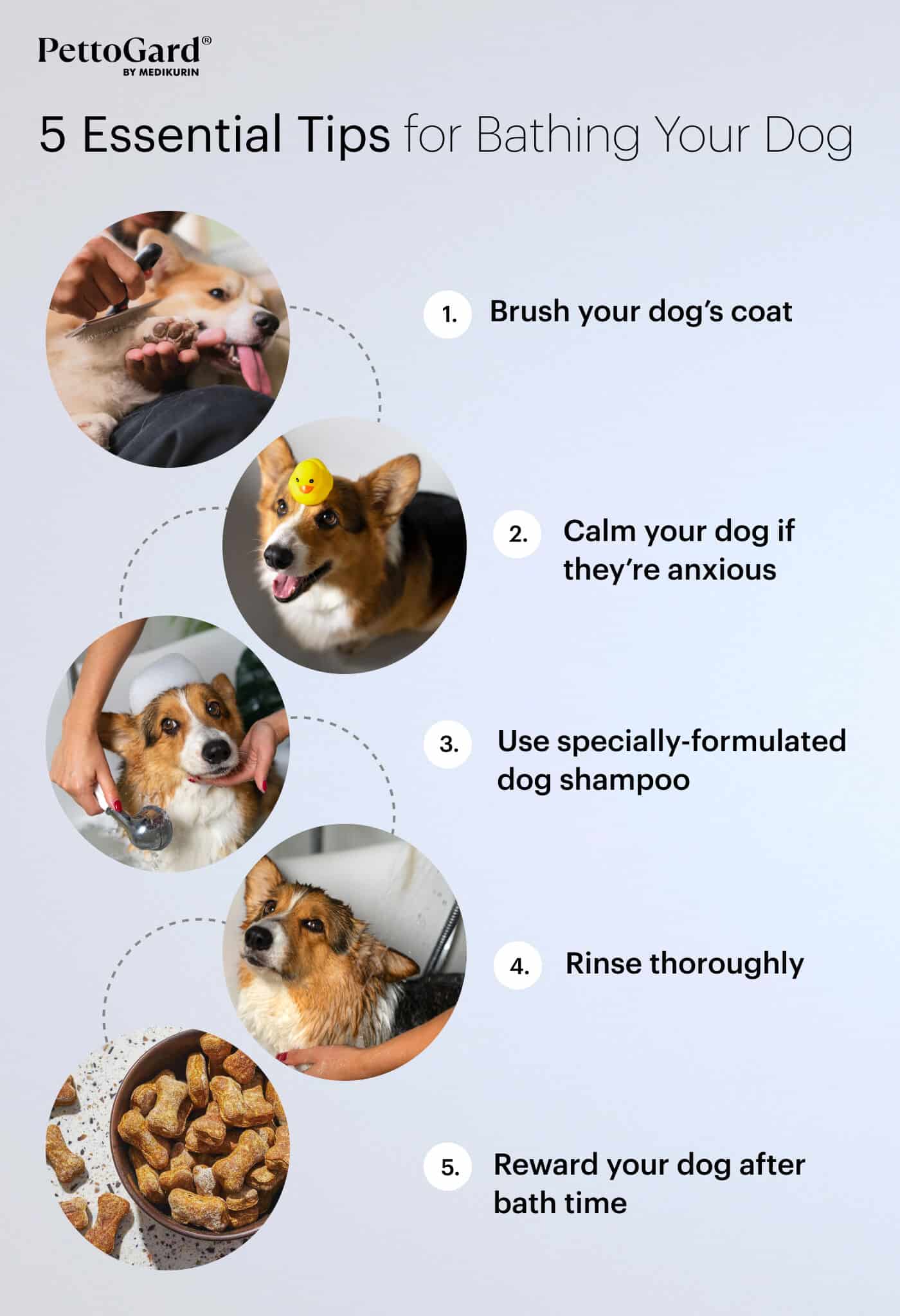
1. Wet the Coat Thoroughly
Begin by gently dampening your dog’s fur with lukewarm water. Use a handheld showerhead or a cup if necessary, avoiding water directly in the ears or eyes. Ensure the coat is evenly wet, as this allows the medicated shampoo to penetrate deeply into the skin and fur.
2. Apply the Medicated Shampoo
Use the recommended amount of medicated shampoo, lathering carefully over all affected areas—including skin folds, ears (if involved), paws, and other trouble spots. Pay special attention to areas with redness, greasy patches, or odor. Massage the shampoo into the skin with gentle circular motions, allowing it to sit for the duration specified by your veterinarian (usually 5-10 minutes) to maximize antifungal effects.
3. Rinse Completely and Repeat if Necessary
Thorough rinsing is essential to remove all shampoo residues, which can cause skin irritation if left behind. Use lukewarm water and ensure no soap remains. For severe infections, your vet may recommend a second shampooing, so follow their instructions carefully. After rinsing, gently squeeze excess water from your dog’s coat without wringing, which can damage the skin.
4. Optional: Use a Conditioner
If your dog’s skin is dry or irritated, applying a soothing conditioner formulated for dogs can help restore moisture and reduce itching. Leave it on for the recommended time, then rinse thoroughly.
5. Dry Your Dog Gently
Use a clean, soft towel to pat your dog dry, avoiding vigorous rubbing that can irritate sensitive skin. For dogs with thick or long fur, a blow dryer on a low, cool setting can be used, but always keep the nozzle moving and maintain a safe distance to prevent burns.
Remember: Patience and gentle handling are key. If your dog is particularly anxious or sensitive, consider enlisting help or using calming sprays or pheromone diffusers to ease their stress.
Tips for Drying and Aftercare to Prevent Recurrence of Yeast Infections
Proper drying and ongoing care are critical components in preventing the recurrence of yeast infections. Moisture trapped in skin folds or fur creates an ideal environment for fungi to flourish, so ensuring your dog is thoroughly dry after baths is a top priority.
Drying tips:
- Use absorbent towels: Pat your dog dry gently, especially in areas prone to moisture retention like ears, paws, and skin folds.
- Employ a cool blow dryer: If your dog tolerates it, use a low heat, cool setting to help dry hair thoroughly. Keep the dryer moving and maintain a safe distance to avoid burns.
- Prevent drafts and damp environments: Keep your dog in a warm, dry space until completely dry. Avoid letting them sit on damp surfaces or in humid areas, which can promote yeast growth.
Aftercare routines:
- Keep affected areas clean and dry: Regularly wipe down skin folds and ears with vet-approved solutions to prevent yeast buildup.
- Use topical treatments as prescribed: Your veterinarian may recommend antifungal sprays, ointments, or powders to apply after baths to maintain a healthy skin environment.
- Maintain proper grooming: Routine brushing and trimming help reduce moisture retention and allow better inspection of skin health. This also keeps hair from trapping dirt and excess oils.
- Address underlying causes: If your dog has allergies, hormonal imbalances, or other health issues contributing to yeast overgrowth, work with your vet to develop a comprehensive management plan to reduce recurrence.
Long-term prevention: Consistency is key. Regular baths with medicated shampoos, good hygiene practices, and prompt attention to skin issues can significantly decrease the chances of yeast infections returning. Also, monitoring your dog’s environment for excessive humidity or allergens can help maintain a healthy, yeast-free coat.
Conclusion
Treating a dog’s yeast infection through bathing is a vital part of restoring your pet’s comfort and skin health. By understanding the symptoms and causes of yeast overgrowth, preparing properly, and following a gentle, thorough bathing routine, you can effectively reduce fungal presence and soothe irritated skin. Remember, aftercare is just as important as the bath itself—keeping your dog dry, clean, and monitored for signs of recurrence will foster a healthier, happier coat. Always consult your veterinarian for tailored advice and recommended medicated shampoos, especially in severe cases. With patience and consistent care, you can help your beloved canine enjoy a healthy, clean, and comfortable life free from yeast infections.