


How to Bathe a Dog with Fear-Based Aggression: Tips for a Safe, Calm Experience
Bathing your dog should be a routine part of caring for your furry friend, but for some dogs, it can turn into a stressful, even dangerous ordeal. Dogs with fear-based aggression often associate baths with discomfort, restraint, or past negative experiences, leading them to react defensively. If you’re struggling to bathe a dog that shows fear or aggressive behaviors during grooming, you’re not alone. This article will guide you through understanding fear-based aggression, preparing your dog and environment, using desensitization techniques, handling strategies, and step-by-step bathing guidance—all tailored to help create a safer, calmer bathing experience for both you and your dog.
Understanding Fear-Based Aggression in Dogs During Bathing
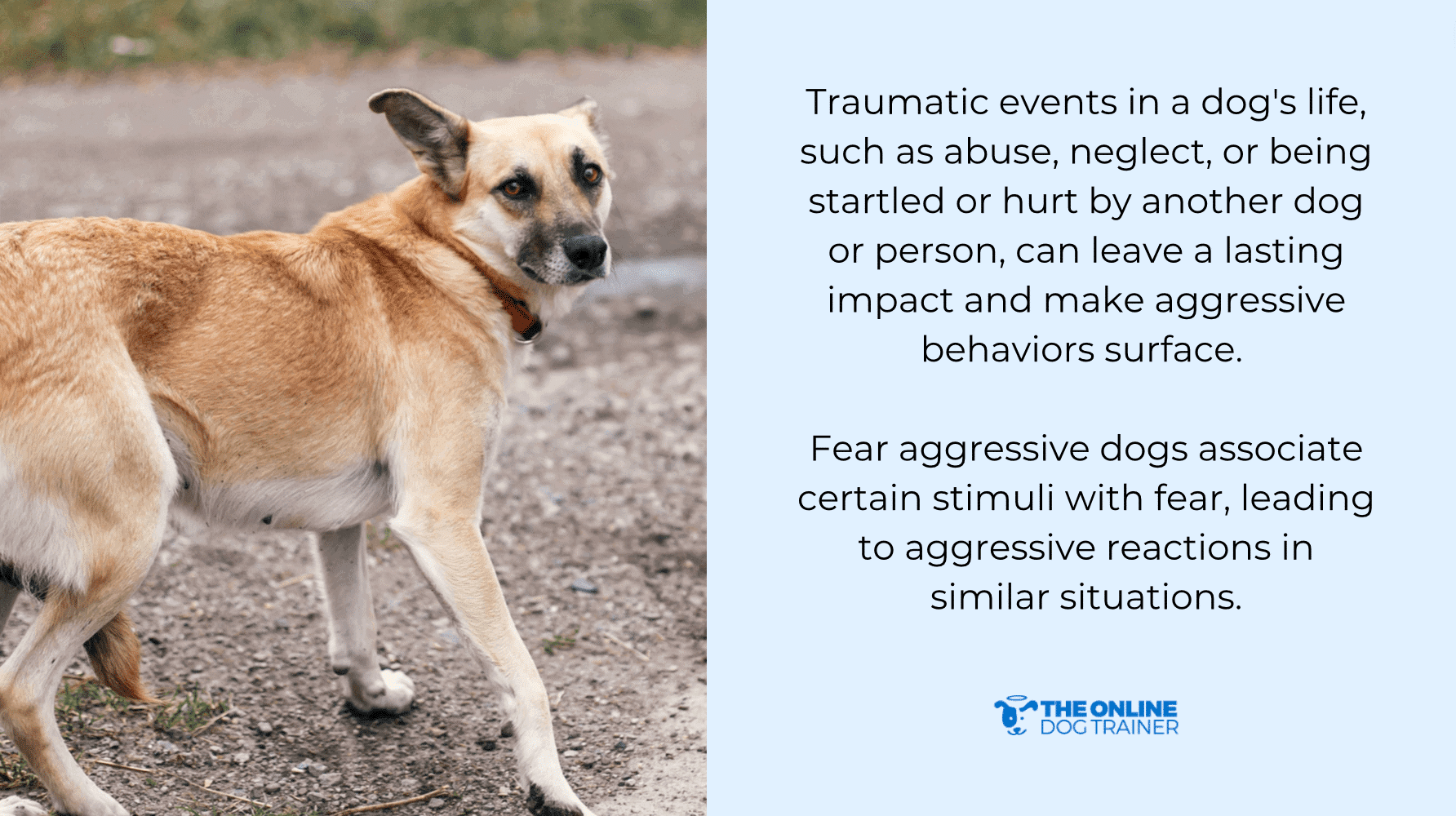
Fear-based aggression in dogs during baths is often rooted in anxiety, past trauma, or simply unfamiliarity with water and grooming routines. Unlike dominance-related aggression, which stems from asserting control, fear-based aggression primarily arises as a fight-or-flight response when a dog feels threatened or overwhelmed. Recognizing this distinction is essential for developing effective, compassionate training and handling strategies.
Many dogs with fear-based aggression display behaviors such as trembling, growling, snapping, or biting when approached for grooming. These reactions aren’t necessarily mean or aggressive by nature—they’re survival instincts triggered by stress or fear. Knowing this helps owners approach bathing with patience and empathy, rather than punishment or force. Understanding the underlying causes, such as past negative experiences, medical issues, or lack of socialization, can also inform your approach to easing your dog into a more positive bathing routine.
Furthermore, fear-based aggression often worsens if dogs are hurried or forced into uncomfortable situations. For example, trying to scrub or lift a dog unwilling to be handled can escalate fear and defensive behavior. Recognizing signs of distress early—such as lip licking, yawning, or stiff body language—can help you intervene appropriately, preventing the situation from escalating and ensuring your dog’s safety.
Preparing Your Dog and Environment for a Stress-Free Bath
Preparation is key to transforming a potentially traumatic experience into a manageable one for your dog. Before starting the bath, spend time getting your dog comfortable with the environment and equipment. For instance, introduce your dog to the bathing area gradually, allowing them to explore and associate it with positive experiences rather than fear. Use treats and praise to create a sense of safety and predictability.
Choosing the right location can significantly impact your dog’s comfort level. A non-slip surface, such as a rubber mat, can prevent slipping and help your dog feel more secure. Make sure the water temperature is lukewarm—not too hot or cold—to prevent discomfort. Keep all your supplies within reach before beginning the bath—shampoo, towels, brushes—so that the process flows smoothly and minimizes surprises that could trigger anxiety.
Creating a calm environment is equally important. Dim the lights if possible, and minimize loud noises or sudden movements. If your dog is particularly fearful, consider playing soft music or using calming pheromone diffusers like Adaptil. Never leave your dog unattended during the bath, as sudden movements or attempts to escape can increase stress or lead to injury. Preparing both your dog and environment thoughtfully sets the stage for a safer, more controlled bathing experience.
Gradual Desensitization Techniques to Reduce Bathing Anxiety
Desensitization involves exposing your dog gradually and repeatedly to the elements of bathing—water, being touched, handling paws—at a pace that doesn’t trigger their fear response. This technique helps build positive associations over time, reducing anxiety and aggression. Starting with short, positive sessions, you can slowly introduce your dog to each aspect of the bath process, increasing exposure as they become more comfortable.
For example, begin by simply touching your dog’s paws, ears, and tail with gentle, rewarding touches. Use treats and praise to reinforce calm behavior. Once your dog tolerates this, introduce a spray of water from a distance, gradually decreasing the distance as your dog shows comfort. You might also place your hand in the water or have a bowl of water nearby to familiarize them with the sensation. The goal is to associate water and handling with positive experiences, not fear.
Patience is critical during desensitization. Each dog progresses at their own pace, and rushing the process can reinforce negative associations. Consistent, short sessions—perhaps 5 to 10 minutes daily—are more effective than infrequent, longer attempts. Over weeks or months, these small steps can significantly reduce your dog’s bathing anxiety, making future grooming visits less stressful for everyone involved.
Safe Handling Strategies for Grooming a Dog with Fear-Related Behavior Challenges
Handling a dog with fear-based aggression requires a gentle, respectful approach to prevent injury and promote trust. Always prioritize your safety and that of your dog by using proper restraint techniques and tools. For instance, a calming, secure harness or a grooming loop can help control movement without causing discomfort or panic. Avoid grabbing or restraining your dog suddenly, as this can escalate their fear and defensive behaviors.
Use calm, soothing voices and slow, deliberate movements to communicate reassurance. If your dog becomes anxious, give them time to settle before proceeding. Techniques like distraction with treats or toys can redirect their focus away from the stressful aspect of grooming. For dogs showing signs of extreme distress, breaking the grooming process into brief, manageable steps is often more effective than attempting to complete everything at once.
In some cases, professional help from a certified dog behaviorist or trainer may be necessary, especially for dogs displaying severe aggression. They can offer personalized handling strategies and behavioral modification plans. Remember that patience and consistency are your best tools—building trust takes time, but it’s essential for safe grooming and bathing in dogs with fear-based aggression.
Step-by-Step Guidance for Bathing a Dog with Fear-Related Behavior Challenges
- Start with a Calm Environment: Set up your bathing area with minimal distractions, all supplies ready, and your dog comfortably restrained if necessary.
- Introduce Water Gradually: Begin with a damp cloth or sponge, gently wiping your dog’s body, rewarding calm behavior with treats and praise.
- Use Desensitization Techniques: Slowly introduce water from a distance, gradually decreasing the distance as your dog tolerates it. Remember to keep sessions short and positive.
- Apply Shampoo Carefully: Use a gentle, dog-specific shampoo. Gently massage it into your dog’s coat, avoiding sensitive areas like the face and ears at first.
- Rinse with Care: Use lukewarm water to rinse thoroughly, avoiding high-pressure streams that may frighten your dog. Use a cup or gentle sprayer to control water flow.
- Dry Gently: After rinsing, pat your dog dry with a towel or use a low-heat blow dryer if your dog tolerates it—ensure the noise and airflow aren’t overwhelming.
- Monitor Behavior Throughout: Watch for signs of stress or aggression, such as growling or stiffening, and be prepared to pause or stop as needed.
- End on a Positive Note: Finish with a favorite treat or toy, and offer praise and gentle petting to reinforce a positive association.
By following these steps patiently, you can help your dog associate bath time with positive, safe experiences, gradually reducing fear and aggression.
Post-Bath Comfort and Reinforcing Positive Associations
Once the bath is complete, it’s crucial to reinforce positive feelings and help your dog recover from any stress. Provide a warm, cozy space where your dog can relax, and offer treats, praise, or gentle petting to associate bath time with comfort and reward. Many dogs find comfort in familiar routines, so maintaining consistency in grooming practices can help reduce future anxiety.
Consider using calming products like pheromone sprays or calming music designed for dogs to help your pet relax after a stressful experience. If your dog is particularly anxious, spending extra time with gentle cuddling or play can help redirect their focus and rebuild trust. Remember that patience and understanding are key—never punish or scold your dog for showing fear or aggression, as this can worsen their anxiety.
Finally, continue practicing desensitization and handling exercises outside of bath time to reinforce trust and confidence. Over time, your dog can learn to associate grooming and bathing with positive experiences, making future grooming sessions safer and more pleasant for both of you. Consistent, gentle handling coupled with positive reinforcement is the cornerstone of managing fear-based aggression during bathing.
Conclusion: Making Bath Time a Safer, Calmer Experience for Your Dog
Bathing a dog with fear-based aggression can be challenging, but with patience, preparation, and understanding, it’s entirely possible to turn a stressful experience into a positive one. Recognizing the signs of fear and aggression, creating a calm environment, and employing gradual desensitization techniques are critical steps toward reducing anxiety. Using safe handling strategies ensures both your safety and your dog’s comfort, paving the way for successful grooming sessions.
Remember, every dog is unique, and progress may be slow but consistent. Celebrate small successes and always prioritize your dog’s emotional well-being. With time, patience, and positive reinforcement, you can help your dog overcome their fears, making bath time a safe, calm, and even enjoyable experience. If you find yourself struggling despite your efforts, don’t hesitate to seek guidance from professional trainers or behaviorists—they can provide tailored strategies and support for your specific situation.