


How to Bathe a Dog with Hip Dysplasia: Tips for Safe, Comfortable Grooming
Grooming your dog is an essential part of keeping them healthy, happy, and comfortable. However, if your furry friend has hip dysplasia—a common condition that affects the hip joint and causes discomfort during movement—the process of bathing needs to be approached with extra care. This article guides you through understanding how hip dysplasia impacts grooming, preparing your dog for a gentle bath, selecting suitable products, performing the bath safely, and caring for your pup afterward. Whether you’re a new dog owner or someone managing a senior or disabled dog, these tips will help make bath time a stress-free experience, fostering better health and comfort for your beloved pet.
Understanding Hip Dysplasia and Its Impact on Bathing Practices
Hip dysplasia is a developmental disorder where the ball and socket joint of the hip does not form correctly, leading to joint instability, pain, and mobility issues. This condition is prevalent in many larger dog breeds like German Shepherds, Labradors, and Rottweilers, but can also affect smaller breeds. The primary concern during bathing is that dogs with hip dysplasia often experience discomfort when moving or being handled in certain positions, which can cause stress or even exacerbate their pain if not managed properly.
When bathing a dog with hip dysplasia, it’s crucial to recognize that any jarring movements, excessive stretching, or uncomfortable positioning can worsen their condition. They may be reluctant or hesitant to be lifted or moved, which complicates the grooming process. Additionally, some dogs might develop anxiety related to bath time, especially if previous experiences were uncomfortable. Therefore, understanding their physical limitations and emotional sensitivities is vital to creating a bathing routine that minimizes discomfort and promotes positive associations with grooming.
Moreover, considering the impact of hip dysplasia on your dog’s overall mobility can inform your approach to bathing. For instance, they may have difficulty standing for long periods or hopping in and out of the tub. This awareness allows you to modify traditional bathing methods—such as using supportive devices or choosing alternative bathing locations—to ensure safety and comfort. Ultimately, a gentle, well-planned approach respects your dog’s physical needs while keeping them clean and healthy.
Preparing Your Dog for a Gentle and Comfortable Bathing Routine
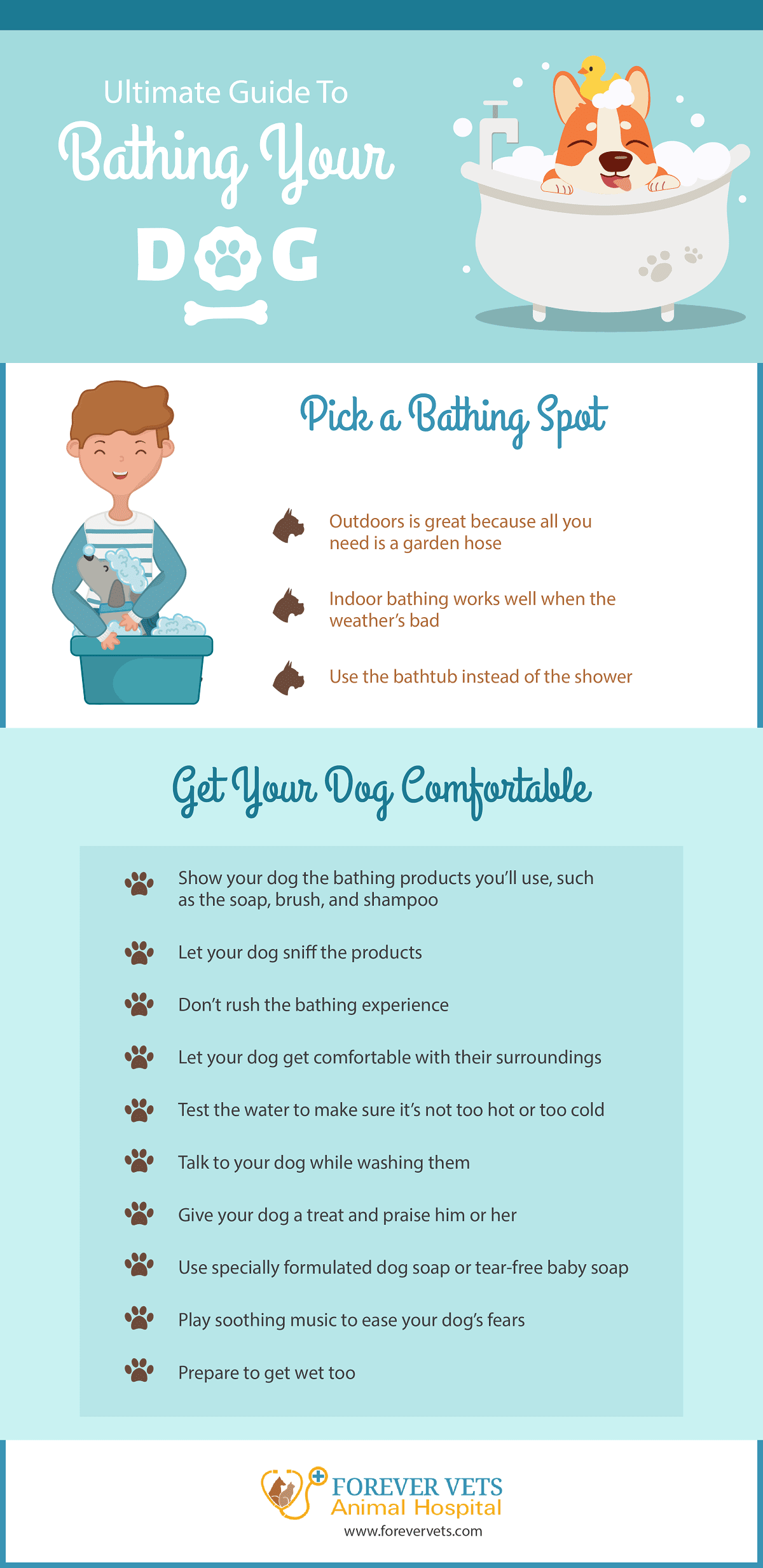
Preparation is key when bathing a dog with hip dysplasia. Before starting, evaluate your dog’s physical condition and consider any mobility aids, such as non-slip mats or supportive harnesses, that can prevent slips and falls during the bath. Creating a calm, quiet environment helps reduce stress; avoid loud noises or abrupt movements that could upset your pup. It’s beneficial to introduce the bathing area gradually, allowing your dog to associate it with positive experiences through treats, praise, or play beforehand.
Next, consider the timing of the bath. Choose a time when your dog is relaxed—perhaps after a walk or play session—so they’re less anxious and more compliant. If your dog experiences pain or stiffness in the morning, scheduling baths later in the day can also be helpful. Additionally, ensure that all supplies are within easy reach—such as towels, shampoo, and supportive devices—so you can focus on your dog without unnecessary interruptions. Having a helper to gently handle or steady your dog can also make the process smoother, especially if they need support during movement.
Finally, for dogs with hip dysplasia, lifting and positioning during bathing should be done with utmost care. Use gentle, supportive techniques—like sliding your arms underneath their body or using a harness—to lift or settle them into the tub. Avoid forcing your dog into uncomfortable positions, and never rush this process. Taking time to prepare both yourself and your pet creates a more relaxed atmosphere and reduces the likelihood of accidental injury or distress. Remember, patience and gentleness are your best tools in making bath time safe and pleasant.
Selecting Suitable Bathing Products for Dogs with Hip Dysplasia
Choosing the right bathing products is essential to ensure your dog’s skin and coat remain healthy without causing discomfort or irritation. For dogs with hip dysplasia, opt for gentle, hypoallergenic, and veterinary-recommended shampoos formulated for sensitive skin. Products containing soothing ingredients like oatmeal or aloe vera can help reduce itching and irritation, especially if your dog has skin sensitivities or allergies often associated with mobility issues due to limited grooming.
Avoid harsh soaps or products with strong fragrances that could irritate your dog’s skin or cause discomfort during bathing. Additionally, consider using a conditioner designed for dogs to improve coat softness and maintain skin hydration—this can also aid in detangling fur, making grooming easier afterward. If your dog has specific skin conditions or allergies, consult your veterinarian for tailored product recommendations. Using the right products not only enhances comfort during bathing but also supports overall skin health, which is important for dogs with mobility challenges.
Another consideration is the use of supportive tools, such as a non-slip mat in the tub to prevent slipping or a handheld showerhead with adjustable pressure. These tools make rinsing more controlled and less stressful for your dog. Some pet owners find that grooming wipes or waterless shampoos are useful alternatives for quick, less invasive cleaning between baths, especially if movement is limited or bath time is particularly stressful for their dog. Selecting the right products and tools helps create a safe, comfortable environment that respects your dog’s unique needs.
Step-by-Step Guidance for Safe and Stress-Free Dog Bathing
Performing a bath for a dog with hip dysplasia requires patience, gentle handling, and attention to detail. Start by placing a non-slip mat in the tub or bathing area to provide stability and prevent slipping. Use a supportive harness or towel to help lift and steady your dog, ensuring they feel secure throughout the process. Begin by gently wetting their coat with lukewarm water—avoid direct streams on sensitive areas to prevent discomfort or startling your dog. Use a handheld showerhead or a cup to control the flow and pressure, staying calm and speaking softly to reassure them.
Apply a small amount of dog-specific shampoo, gently massaging it into their coat with slow, gentle strokes. Focus on cleaning the paws, face, and areas with the most dirt without causing strain or discomfort. Rinse thoroughly, making sure no residue remains, as leftover shampoo can cause skin irritation or itchiness. When drying your dog, use a soft towel to pat them dry instead of rubbing vigorously, which could cause joint pain or discomfort. If your dog tolerates it, a low-heat hairdryer on a cool setting can speed up the drying process, but keep the airflow gentle and maintain a safe distance.
Throughout the bath, monitor your dog’s reactions and adjust your handling accordingly. Take breaks if needed, and always speak in a calming tone to mitigate stress. After bathing, reward your dog with treats and praise to reinforce positive feelings about grooming. Remember, consistency and a gentle approach are key in making bath time a safe, stress-free routine that promotes your dog’s health and comfort.
Tips for Post-Bath Care to Maintain Joint Comfort and Mobility
After bathing, caring for your dog’s joints and overall comfort is crucial, especially for those with hip dysplasia. First, ensure your dog is thoroughly dried using a soft towel or low-heat dryer, as damp fur can cause skin issues or discomfort. While drying, gently massage their muscles, which can help improve circulation and reduce stiffness. Applying warm compresses or heating pads (used safely and with veterinarian approval) to sore areas can also provide soothing relief and promote relaxation.
Once dry, assess your dog’s mobility and comfort levels. If they seem stiff or sore, consider providing supportive aids such as orthopedic beds, ramps for easier access to furniture or cars, or joint supplements recommended by your veterinarian. Maintaining a healthy weight is vital, as excess weight adds strain to the hips, so a balanced diet and regular, moderate exercise are essential parts of post-bath care. Regular gentle massages can also improve joint flexibility and strengthen muscles, supporting overall mobility.
Finally, keep a close eye on your dog’s behavior and physical condition after bathing. Watch for any signs of pain, discomfort, or skin issues, and consult your vet if necessary. Incorporate a routine of gentle stretching exercises or hydrotherapy if recommended, which can help maintain joint mobility and reduce stiffness. With consistent, caring post-bath routines and appropriate veterinary guidance, you can help your dog enjoy a more comfortable, pain-free life despite their hip dysplasia.
Conclusion
Caring for a dog with hip dysplasia requires a thoughtful, gentle approach, especially during bath time. By understanding how the condition impacts their mobility and comfort, preparing your dog with patience and the right tools, selecting suitable grooming products, and following a step-by-step bathing routine, you can make grooming a safe and positive experience. Post-bath care—focused on maintaining joint health and comfort—completes the cycle of care, ensuring your furry friend remains healthy, happy, and pain-free. Remember, a little extra patience and kindness during grooming can significantly enhance your dog’s quality of life, making bath time not just a necessity but an opportunity for bonding and care.