


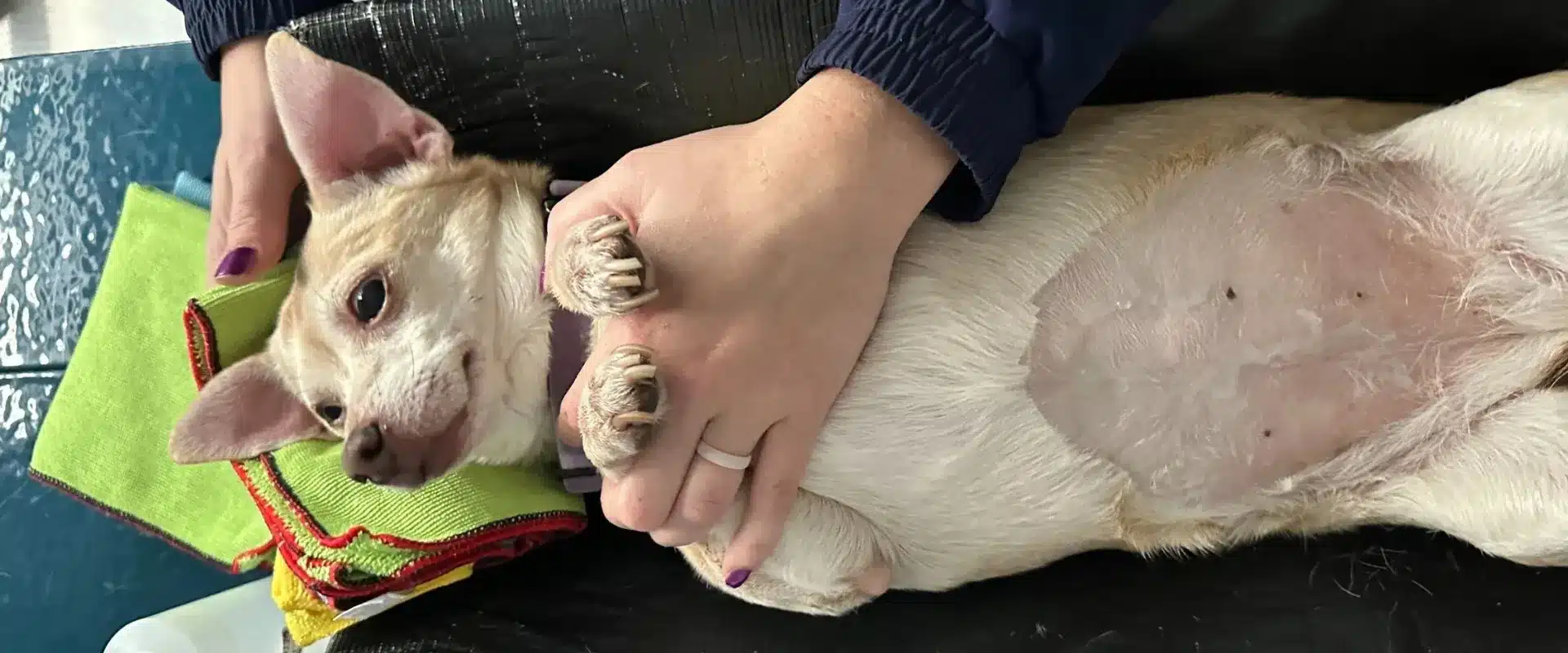
How to Bathe a Dog with Razor Burn from Grooming: Tips for Gentle Care
When it comes to grooming your beloved dog, ensuring their comfort and health is paramount. Sometimes, grooming sessions can lead to unintended skin issues, like razor burn, which can be uncomfortable or even painful for your furry friend. Knowing how to properly bathe a dog with razor burn isn’t just about cleanliness—it’s about soothing irritated skin, promoting healing, and preventing further discomfort. This article will guide you through understanding razor burn in dogs, preparing for a gentle bath, selecting the right products, and caring for your dog afterward. Whether you’re a seasoned pet owner or new to grooming, these tips will help you provide compassionate, effective care for your pet.
Understanding Razor Burn in Dogs and Its Causes During Grooming
Razor burn in dogs is an inflammatory skin reaction caused by irritation from grooming tools, especially electric clippers or razors used too aggressively or improperly. It manifests as redness, small bumps, or even raw patches, often accompanied by itching or discomfort. Razor burn can occur when grooming tools are dull, used with excessive pressure, or when the grooming technique isn’t gentle enough, leading to tiny cuts or abrasions that inflame the skin. Recognizing this condition early is crucial for preventing secondary infections and alleviating your dog’s pain.
Grooming-related razor burn is particularly common in breeds with sensitive skin or those prone to skin conditions. Dogs with thin or light-colored coats may be more susceptible because their skin is closer to the surface, making irritation more visible and painful. Additionally, grooming sessions that involve frequent trimming or shaving, especially in areas with folds, sensitive skin, or delicate areas like the face and ears, increase the risk. Factors like poor grooming tools, lack of proper technique, or grooming in a hurried manner can all contribute to razor burn.
Understanding the causes helps in both prevention and effective treatment. Ensuring your groomer or grooming routine involves sharp, well-maintained tools used with gentle pressure, and taking breaks if your dog shows signs of stress or discomfort, can significantly reduce razor burn incidence. Moreover, knowing that razor burn is a temporary inflammation can help you approach treatment with compassion and patience, focusing on soothing and healing your dog’s irritated skin.
Preparing Your Dog for a Gentle and Effective Bath
Before bathing a dog with razor burn, it’s essential to create a calm, comfortable environment to reduce stress and prevent further irritation. Find a quiet space free of distractions, and consider calming your dog with gentle petting or soothing words. If your dog is anxious or sensitive, a calming pheromone spray or a familiar blanket can help create a sense of security. Additionally, ensure the bathing area is at a comfortable temperature, ideally warm but not hot, to prevent additional skin irritation.
Gather all necessary supplies beforehand to streamline the process and minimize handling time. You’ll need a gentle, hypoallergenic dog shampoo, soothing sprays or topical treatments recommended by your vet, soft towels, and possibly a clean, damp cloth or sponge. Having everything within reach helps you work efficiently and avoid unnecessary delays that might stress your dog further. Remember, a slow and gentle approach is key; rushing can cause discomfort and worsen razor burn.
It’s also advisable to conduct a quick inspection before bathing. Carefully examine the affected area for signs of increased redness, swelling, or open wounds. If the razor burn appears severe or if there are signs of infection—such as pus, foul odor, or significant swelling—consult your veterinarian before proceeding with a bath. In cases of mild irritation, a gentle, soothing bath can aid in healing and comfort. Preparing your dog mentally and physically sets the stage for a safe, effective bathing experience that promotes healing rather than aggravates the skin.
Selecting the Right Products and Techniques to Soothe Razor Burn
Choosing the right products is crucial for soothing irritated skin and promoting healing. Opt for gentle, hypoallergenic, and fragrance-free dog shampoos designed specifically for sensitive skin. Look for ingredients like oatmeal, aloe vera, or chamomile, which have natural soothing and anti-inflammatory properties. Avoid harsh chemicals, artificial fragrances, or medicated shampoos unless prescribed by your veterinarian, as these can further irritate razor burn or cause allergic reactions.
In addition to the shampoo, consider topical treatments or sprays recommended by your vet. These could include soothing gels, hydrocortisone creams, or healing sprays that contain ingredients like aloe vera or ceramides. Applying these products after the bath can provide relief from itching and inflammation, speeding up the healing process. Always follow your veterinarian’s instructions regarding medication or topical application to ensure safety and effectiveness.
When bathing your dog, use techniques that minimize skin trauma. Use lukewarm water rather than hot, as hot water can strip natural oils and irritate sensitive skin. Gently massage the shampoo into the affected areas with soft, circular motions, avoiding scrubbing or applying excessive pressure that could aggravate razor burn. Rinse thoroughly to remove all residues, as leftover shampoo can also cause irritation. Pat your dog’s skin dry with a soft towel—do not rub vigorously—to prevent further irritation and support the healing process.
Step-by-Step Guide to Bathing a Dog with Razor Burn
Start by gently wetting your dog’s coat with lukewarm water, focusing on the affected areas, and ensuring the water isn’t too hot or cold. Use your hand or a soft spray nozzle to apply water delicately, avoiding excessive splashing or force that could cause discomfort. If your dog is nervous or sensitive, speak softly and maintain a calm demeanor to help them relax.
Apply a small amount of gentle, hypoallergenic dog shampoo formulated for sensitive skin to the affected areas, lathering gently with your fingertips. Do not scrub or use rough motions; instead, lightly massage the shampoo into the skin in a circular motion. Allow the lather to sit for a few minutes if your vet recommends a medicated or soothing shampoo, as this can enhance its healing properties. Rinse thoroughly with lukewarm water, making sure no shampoo residue remains, which could irritate the skin further.
After rinsing, softly pat your dog dry with a clean, soft towel, avoiding vigorous rubbing. If your dog is comfortable, you can also use a blow dryer on a cool or low setting held at a safe distance to help dry the skin, but only if your dog tolerates it well. During this process, check the affected areas for any signs of worsening irritation or infection. Once dry, apply any topical treatments advised by your veterinarian, and comfort your dog with gentle petting and praise to reinforce a positive experience.
Post-Bath Care and Tips for Promoting Healing and Comfort
Following the bath, ensure your dog stays in a warm, comfortable environment to prevent chills and further irritation. Keep their bedding clean and dry, and avoid exposing the affected areas to dirt, dust, or direct sunlight until the skin heals. If your dog tends to lick or chew the irritated area, consider using an Elizabethan collar (cone) or a protective shirt to prevent further trauma and contamination.
Monitor the razor burn regularly for signs of improvement or worsening. Mild redness and bumps may diminish within a few days with proper care, but if you notice increased swelling, bleeding, foul odor, or signs of infection, it’s essential to consult your veterinarian promptly. They may recommend additional treatments such as antibiotics, medicated creams, or further assessment to prevent complications and ensure a full recovery.
Support your dog’s comfort and healing by maintaining gentle handling and providing soft bedding and a calm environment. Incorporate nourishing diets rich in omega-3 fatty acids, which support skin health, and avoid over-bathing or excessive grooming that could irritate the skin further. Regularly check the affected area for signs of healing, and keep your veterinarian’s contact information handy for follow-up questions or concerns. Patience and gentle care are key to helping your dog recover from razor burn and return to comfortable, happy health.
Conclusion
Dealing with razor burn from grooming can be challenging, but with the right approach, you can significantly ease your dog’s discomfort and promote swift healing. Understanding the causes of razor burn helps in prevention, while preparing your dog and selecting suitable products ensures a gentle, effective bath. By following a step-by-step bathing routine and providing attentive post-bath care, you’ll support your furry friend’s recovery and comfort. Remember, patience and compassion go a long way—your dog’s well-being depends on it. If in doubt, always consult your veterinarian for tailored advice and treatment options. Your attentive care can turn a stressful grooming mishap into an opportunity to strengthen your bond and keep your dog happy and healthy.