
How to Bathe a New Mother Dog: Tips for Caring for Your Post-Birth Puppy
Welcoming a new litter of puppies is an exciting and rewarding experience for any dog owner. As a responsible pet parent, it’s vital to understand how to properly care for your new mother dog—especially when it comes to her hygiene after giving birth. Proper bathing can help prevent infections, promote comfort, and ensure both mom and her adorable puppies stay healthy. However, because postpartum dogs can be delicate, knowing the right techniques and timing is crucial. In this article, we’ll walk you through the essential steps to safely bathe a new mother dog, from preparing her environment to post-bath care, ensuring she and her puppies remain happy and healthy.
Preparing for the Post-Birth Dog Bathing Session
Getting ready for your dog’s post-birth bath requires thoughtful preparation to ensure everything goes smoothly and safely. First, gather all the necessary supplies beforehand—mild, dog-specific shampoos, soft towels, warm water, and perhaps some treats to keep her calm. Creating a calm, quiet environment free of loud noises or distractions can help reduce her stress, especially if she’s still adjusting to her new role as a mother. Consider placing her in a secure, easy-to-clean area such as a laundry tub, bathtub, or a large basin suited for her size.
Timing is essential when planning the bath. It’s best to wait at least 24-48 hours after delivery unless she’s unclean or visibly dirty, as rushing into bathing too soon may interfere with her recovery or cause discomfort. Ensure the temperature of the water is lukewarm—not too hot or cold—to avoid startling or shocking her. Also, it’s wise to have someone assist you, especially if she’s nervous or protective, so they can help gently hold her while you rinse or apply shampoo. Lastly, prepare a comfortable, warm space for her to rest after the bath, along with a clean towel or blanket to keep her warm and dry.
By setting up a calm, well-equipped space and timing the session appropriately, you lay the groundwork for a positive bathing experience. This approach minimizes stress for your dog and her puppies, making the process smoother for everyone involved. Remember, patience and gentle handling are key during this sensitive time.
Assessing the Dog’s Health and Readiness for Bathing
Before you proceed with bathing your new mother dog, it’s important to assess her overall health and determine whether she’s ready for this task. Postpartum dogs can be vulnerable, and rushing into bathing without considering her physical condition may lead to complications. Look for signs that she’s in good health—such as steady appetite, normal energy levels, and absence of excessive bleeding or pain. If she’s still heavily bleeding or shows signs of infection, it’s best to consult your veterinarian before bathing her.
Additionally, consider her emotional state. Some dogs may feel overwhelmed or anxious after giving birth, especially if they’re not used to human handling. If she appears particularly distressed or aggressive, you may need to wait until she’s calmer or ask for professional help. It’s also wise to confirm that she’s free of parasites or skin conditions that could worsen with bathing. If she has any open wounds, stitches, or signs of mastitis, consult your vet to get personalized advice on whether bathing is appropriate and how to do it safely.
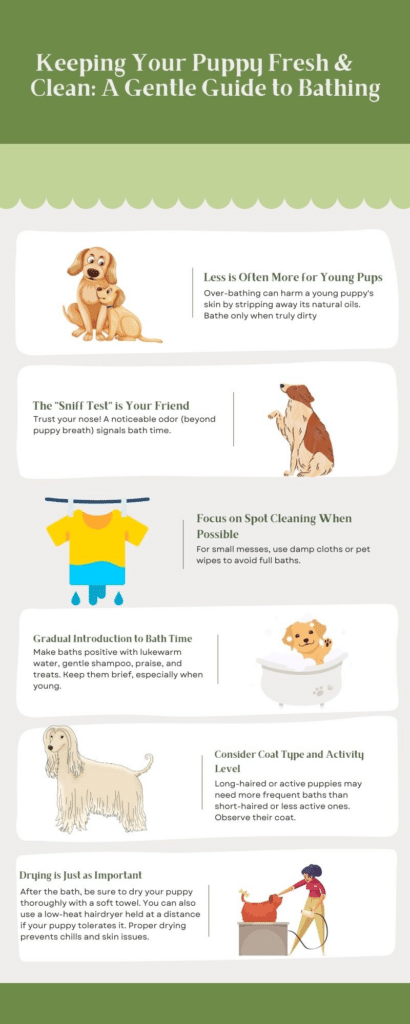
Timing is another critical factor. Avoid bathing immediately after delivery or during the first few days postpartum unless necessary for cleanliness. Instead, focus on keeping her clean with spot cleaning using damp cloths or wipes. Once she’s healed and stabilized, typically after a few days, you can proceed with a gentle bath. Always prioritize her comfort and health, and don’t hesitate to seek veterinary guidance if you’re unsure about her readiness or how to handle specific health concerns.
Gentle Cleaning Techniques for a Mother Dog and Her Newborns
When it comes to bathing a postpartum dog, gentle handling is paramount. Use soft, slow movements to minimize stress and avoid any rough scrubbing, which can hurt her or cause discomfort. For the mother, focus on cleaning her rear, abdomen, and any areas soiled by birthing fluids or milk leakage. Use a damp, soft cloth or sponge for spot cleaning instead of a full bath if she’s still fragile or if her puppies are very young. If a full bath is necessary, ensure you’re prepared to handle her delicately—support her body properly and keep her head stable.
Pay special attention to her nipples and the area around her mammary glands, as these regions may be sore or sensitive following nursing. Use lukewarm water and mild, dog-specific shampoo designed for sensitive skin. When applying shampoo, do so gently and avoid the puppy area unless explicitly instructed by your vet. Rinse thoroughly to remove any soap residue, which can cause irritation or skin dryness. Throughout the process, speak softly and reassure her with calming words, making the experience less intimidating.
For her puppies, avoid bathing them unless absolutely necessary, since newborn pups are susceptible to cold and stress. Instead, keep their environment clean by changing bedding regularly and gently wiping them with a damp cloth if needed. If the puppies become dirty or smelly, consult your veterinarian for advice on how to clean them safely. Always remember that patience and a gentle touch can make the bathing process a positive experience, reinforcing trust between you and your dog.
Selecting Safe and Suitable Bathing Products for Postpartum Care
Choosing the right bathing products is crucial when caring for a new mother dog. Many commercial shampoos contain harsh chemicals that can irritate sensitive skin or interfere with her healing process. Opt for gentle, hypoallergenic, and veterinarian-recommended shampoos formulated specifically for dogs, especially those designed for sensitive or postpartum skin. Avoid human shampoos, which can disrupt her skin’s natural oils and cause dryness or allergic reactions.
In addition to shampoo, consider using a conditioner if her skin or coat needs extra moisture, particularly if she has been grooming herself less or has skin issues. Natural ingredients like oatmeal, aloe vera, or chamomile are soothing options that can help calm irritated skin. It’s also helpful to have a tearless, soap-free wipe or damp cloth for quick spot cleaning when bathing isn’t necessary. Always check the label for any potential allergens and avoid products containing artificial fragrances or dyes.
Lastly, remember that postpartum dogs may have altered skin sensitivities due to hormonal changes, so less is often more. Always do a patch test before applying any new product and consult your veterinarian if you’re uncertain about which products are safest. Using high-quality, gentle products ensures the health and comfort of your dog, helping her recover quickly and bond with her puppies in a nurturing environment.
Post-Bath Care and Monitoring for the Mother and Puppies
After bathing, providing warm, cozy post-care is essential to help your dog recover and ensure her puppies remain comfortable. Immediately towel-dry her thoroughly, focusing on keeping her body warm—especially her abdomen and nipples—since postpartum dogs are vulnerable to chills. Use soft, absorbent towels and gently pat her dry without rubbing, to avoid irritating her skin or causing discomfort. If needed, use a low-heat hairdryer with a diffuser attachment on a cool setting, but only if she tolerates it, and take care to avoid direct contact with her skin or face.
Monitor your dog closely in the hours and days following her bath for any signs of distress, discomfort, or health issues. Look out for symptoms such as excessive licking, swelling, redness, or signs of infection around her stitches or nipples. Keep her bedding clean and dry, and wash her bedding regularly to prevent bacterial buildup. For the puppies, ensure they are kept warm and dry; if they’re dirty or if you notice any skin issues, gently wipe them with a damp cloth and consult your vet for further advice.
Finally, observe her behavior and feeding habits after the bath. A relaxed, happy mother is more likely to bond well with her puppies and recover smoothly. Avoid vigorous handling or stressful activities immediately after bathing, and give her plenty of positive reinforcement and reassurance. Regular health checks, proper nutrition, and a clean environment will help her thrive during this critical postpartum period, creating a nurturing space for her new puppies to grow and flourish.
Conclusion
Caring for a new mother dog after she has given birth involves patience, gentle handling, and thoughtful preparation. Knowing when and how to bathe her safely, selecting appropriate products, and providing post-bath care all contribute to her recovery and comfort. Remember to assess her health carefully before bathing, prioritize gentle cleaning techniques, and keep her environment warm and stress-free. By doing so, you help ensure that both she and her puppies stay healthy, happy, and well-loved during this special time.
Taking the time to understand postpartum care not only benefits your dog’s physical health but also strengthens your bond and trust. If you have any doubts or concerns about her recovery or bathing process, don’t hesitate to consult your veterinarian. With proper care and a gentle approach, you’ll be able to navigate this postpartum period confidently, laying the foundation for a strong start for your new family.