


How to Bathe a Puppy for the First Time: Tips for a Calm, Clean Start
Bringing home a new puppy is an exciting milestone, filled with cuddles, playtime, and a lot of learning — both for your furry friend and for you as a pet owner. One of the first caregiving tasks many new puppy parents face is giving their pup their first bath. While it might seem daunting at first, with the right preparation and gentle approach, you can turn bath time into a positive, bonding experience. This article provides a detailed guide on how to bathe a puppy for the first time, ensuring that your little companion stays clean, healthy, and comfortable.
In this comprehensive guide, you’ll learn how to prepare the essentials, create a safe and calming environment, execute a safe bathing process, and develop habits that make future baths easier. Whether your puppy is a tiny teacup or a sturdy retriever, these tips will help you start off on the right paw with confidence and care.
Preparing for Your Puppy’s First Bath and Gathering Supplies
Getting everything ready before the actual bath is crucial for a smooth experience. Puppies are naturally curious and sometimes hesitant, but they respond well to predictability and calmness. Start by assembling all your supplies beforehand, so you’re not scrambling to find things mid-bath, which can increase your pup’s anxiety. Essential items include a gentle puppy shampoo, a soft towel or two, a non-slip mat for the tub or sink, a cup or spray nozzle for rinsing, and a brush suitable for your puppy’s coat type. It’s also wise to have treats handy to reward good behavior.
Choosing the right shampoo is vital; opt for a specially formulated puppy shampoo that is mild, free of harsh chemicals, and pH-balanced for their sensitive skin. Avoid adult dog shampoos or human products, which can irritate a puppy’s delicate skin. Additionally, consider your puppy’s size and coat when selecting supplies. For tiny puppies, a sink or a small basin works well, while larger breeds might require a bathtub. Gather everything within arm’s reach, and check that your bathing area is clean and free of hazards.
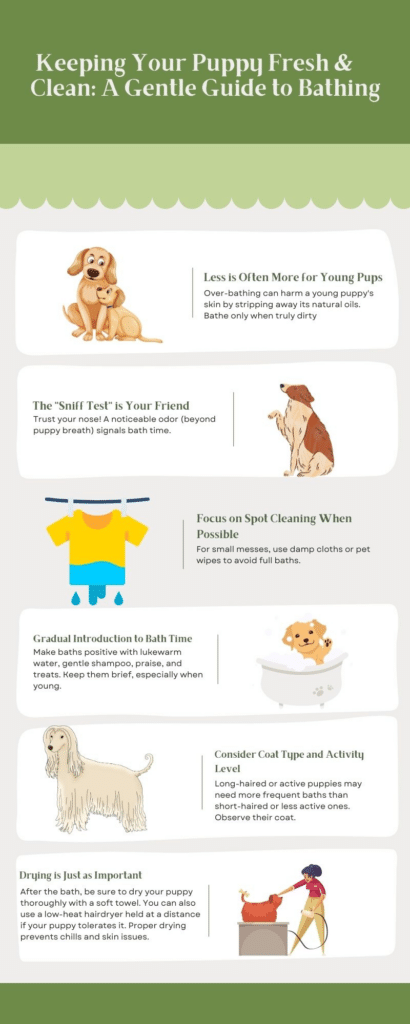
Beyond supplies, educate yourself on the basics of puppy bathing. Watching tutorials or reading about common pitfalls can help you approach bath time confidently. For instance, understanding that puppies should be bathed only when necessary (not too frequently to avoid skin dryness) will guide your overall grooming routine. Also, plan the timing — choose a warm, quiet part of the day when your puppy is alert but not overly tired or hungry, making the experience more enjoyable for both of you.
Ensuring a Safe and Comfortable Bathing Environment for Your Puppy
Creating a safe and soothing environment is key to making your puppy’s first bath a positive experience. Puppies are small and fragile, so choosing a location where they feel secure is essential. Many owners find that using a sink, a small bathtub, or even a plastic basin works well for small breeds. Use a non-slip mat on the bottom of the tub or sink to prevent slipping, which can cause fear or injury. Keep the room warm, as puppies can get cold quickly, especially if their fur is damp.
Lighting and noise levels also matter. Keep the environment quiet and calm, minimizing sudden sounds or interruptions that might startle your puppy. Speaking in a gentle, soothing voice and gently petting your pup can help reassure them throughout the process. If you’re bathing your puppy in a bathroom, close the door to prevent escape and keep other pets or children at a safe distance. The goal is to create a controlled, cozy space where your puppy feels safe and supported.
Temperature control is critical. Before starting, fill the basin or tub with lukewarm water, around 90-100°F (32-38°C), which is comfortable for puppies. Never use hot water, as it can scald their delicate skin, nor cold water, which can cause discomfort or chills. Keep a towel close by to dry your puppy promptly after the bath and consider having a warm, draft-free area for drying to prevent chilling. Remember, patience and gentle handling will go a long way in making your puppy feel secure during their first bathing experience.
Step-by-Step Guide to Washing Your Puppy Safely and Effectively
When it’s time to start the bath, approach with patience and confidence. Begin by gently placing your puppy into the prepared bathing area, speaking softly to reassure them. Wet your puppy’s coat gradually using cups or a gentle spray nozzle, avoiding the head at first to prevent water from entering their ears or eyes. Use your hand to support their body, and work slowly to keep them calm. Focus on cleaning the body, belly, and hindquarters first, using a small amount of puppy shampoo, then lather gently with your hands or a soft cloth.
Pay special attention to the face. Use a damp cloth to wipe around your puppy’s eyes, ears, and nose — never pour water directly on their face or head. When washing the head, do so gently, avoiding as much water as possible around the ears and eyes, to prevent discomfort or infection. Rinse thoroughly, ensuring no shampoo residue remains, as leftover soap can cause irritation or dry skin. Be mindful to keep the water at a comfortable temperature, and communicate softly to keep your puppy relaxed throughout the process.
Once you’ve finished shampooing and rinsing, carefully lift your puppy out of the basin, supporting their body securely. Use a towel to gently pat them dry, removing excess water while being gentle on their sensitive skin. For longer-haired breeds, a brush can be used after towel drying to detangle and prevent mats. Remember, patience is key — if your puppy squirms or gets anxious, pause and comfort them with gentle words and strokes. The goal is a calm, positive bathing experience that sets the stage for future grooming.
Drying and Post-Bath Care to Keep Your Puppy Healthy and Happy
Drying your puppy properly after their bath is just as important as the washing itself. Use soft, absorbent towels to pat your puppy dry, avoiding vigorous rubbing that could irritate their skin. For breeds with thicker coats, a blow dryer set to a low, cool setting can speed up the process; however, many puppies find the noise intimidating, so introduce the dryer gradually. Always keep the dryer at a safe distance to prevent burns or discomfort, and never leave it unattended. Be patient and gentle to make the drying process a positive, bonding moment.
Once your puppy is mostly dry, continue to keep them warm and comfortable. A cozy blanket or a warm room helps prevent chills, especially if your puppy is small or has a fine coat. Avoid using a hairdryer or towel-drying alone if your puppy is prone to getting cold; instead, combine gentle drying with warmth. During this time, inspect your puppy for any skin issues, cuts, or irritation that might require veterinary attention. Regular post-bath checkups promote good skin health and help you become familiar with your puppy’s unique grooming needs.
Finally, reward your puppy with treats, praise, and gentle petting after the bath. This positive reinforcement builds a good association with grooming routines, which will make future baths less stressful. Keep an eye out for signs of discomfort or stress, and don’t rush the process. Establishing a gentle, caring routine right from the first bath ensures your puppy stays healthy, happy, and comfortable as they grow. Remember, patience and consistency are key to cultivating a lifelong positive attitude toward grooming.
Tips for Making Future Baths Easier and Building Positive Bathing Habits
Setting a routine early on can make future baths much more manageable for both you and your puppy. Start by choosing a consistent day and time for baths, so your puppy learns what to expect. Use positive reinforcement, such as treats or praise, to reward calm behavior during and after the bath. Gradually introduce your puppy to grooming tools and procedures, like brushing and handling their paws or ears, to desensitize them to these activities from a young age.
Creating a calm environment consistently helps reduce anxiety over time. Use soothing tones of voice, maintain a gentle touch, and keep the bathing area quiet and warm. Short, regular grooming sessions can familiarize your puppy with the process without overwhelming them. As your puppy becomes more comfortable, you can gradually increase the duration and complexity — always prioritizing their comfort and confidence. Remember, patience is vital; some puppies may take longer to adapt, and that’s perfectly normal.
Lastly, make grooming a bonding experience rather than a chore. Use lots of praise, gentle petting, and treats to reinforce positive feelings around bath time. Incorporate play and cuddles before or after baths to turn the routine into a special, trust-building event. Over time, these habits will help your puppy see grooming as a normal, even enjoyable part of life. With consistency, patience, and kindness, you’ll foster a lifelong positive attitude toward cleanliness and care that benefits your puppy’s health and your relationship.
In Conclusion
Bathing a puppy for the first time can seem intimidating, but with careful preparation, patience, and a gentle approach, it becomes a manageable and even enjoyable experience. Gathering the right supplies, creating a calm environment, and following a step-by-step process ensures your puppy stays safe, comfortable, and happy. Proper drying and post-bath care further promote good health, while establishing positive habits now will make future grooming sessions smoother and less stressful. Remember, every puppy is unique, and building trust and confidence takes time. By approaching bath time with love and patience, you’ll not only keep your puppy clean but also strengthen your bond for years to come.