


How to Bathe Your Dog After Mud Pit Adventures: Tips for a Clean, Happy Pet
Getting your dog muddy during outdoor adventures, especially in a muddy pit or during a rainy day, is almost inevitable for active and curious pups. While dirty paws and splashed mud are adorable, they can quickly turn into a mess that requires a thorough bath to keep your furry friend comfortable, healthy, and happy. Bathing your dog after a mud pit adventure isn’t just about cleaning—it’s also about ensuring your pet’s skin stays healthy, preventing infections, and maintaining their shiny coat. This article will guide you through every step of the process, from preparing for the bath to proper grooming afterward, so your pup can enjoy their muddy exploits and come out squeaky clean every time.
Whether you’re a seasoned dog owner or new to pet care, knowing how to handle a muddy dog bath efficiently and safely can make the experience much more pleasant for both of you. Proper bathing not only removes dirt but also helps prevent skin irritations, odor, and matting, ensuring your dog stays comfortable and looking their best. So, let’s dive into the essentials of giving your muddy adventure-loving dog a thorough, stress-free bath and tips to keep them happy and healthy afterward.
Preparing for the Muddy Dog Bathing Session
Before you even turn on the water, preparing yourself and your environment sets the stage for a successful dog bath. A muddy dog can be a handful, and sudden movements or surprises can make the process more stressful for both of you. Take a few moments to gather everything you’ll need—this will streamline the experience and prevent you from running around looking for supplies mid-bath. Also, consider your dog’s temperament; some dogs get anxious with water, so preparing a calm, reassuring environment is crucial.
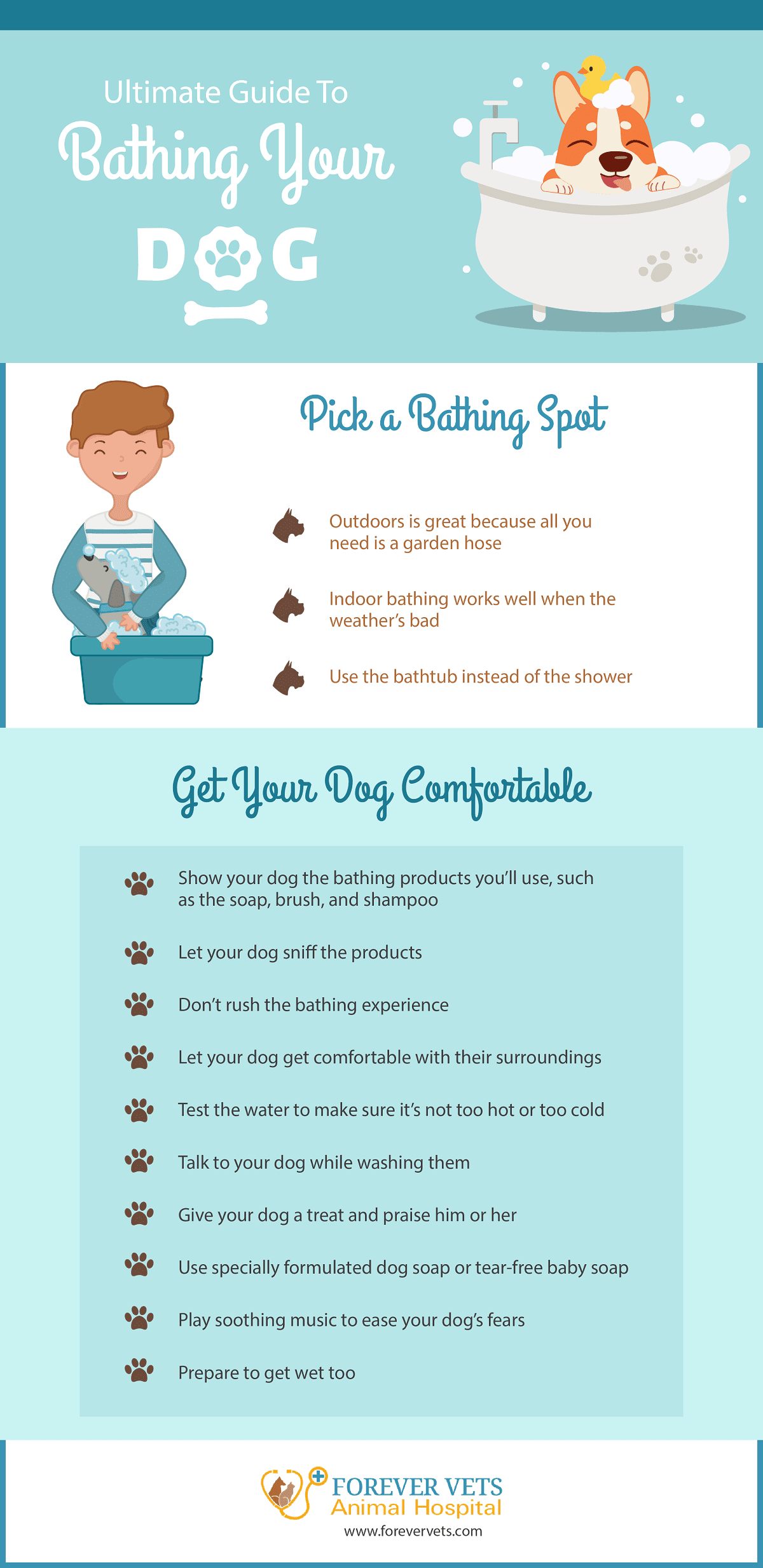
Start by choosing the right time for the bath—preferably when your dog is calm and not overly hyped from their muddy adventure. It’s often best to bathe your dog outdoors if weather permits, especially after a very muddy play, to avoid tracking dirt inside. If bathing indoors, set up in a space that’s easy to clean, such as a bathtub or a walk-in shower, with non-slip mats to prevent slipping. Having a leash or harness on your dog can help control their movements, and offering treats and praise during the process can keep them calm and cooperative.
It’s also wise to check your dog’s coat and skin condition beforehand. Look for signs of cuts, irritations, or skin infections that might need special attention or a vet visit before the bath. Also, make sure to have all your supplies—dog-friendly shampoo, towels, brushes, and possibly a blow dryer—within easy reach. Preparing these essentials in advance minimizes stress and ensures that the bathing process flows smoothly, making it a positive experience for your muddy mutt.
Gathering Necessary Supplies and Setting Up a Safe Bathing Area
Having the right supplies on hand is key to a successful and stress-free muddy dog bath. Start with a dog-specific shampoo that suits your pet’s coat and skin type—mild, hypoallergenic options are generally best, especially if your dog has sensitive skin. Avoid human soaps or shampoos containing fragrances and harsh chemicals, as these can cause irritation. Adding a conditioner designed for dogs can also help keep their coat smooth and manageable after the wash.
In addition to shampoo, gather essentials like towels, brushes, and a non-slip mat for the bathing area. Towels are crucial for drying your dog thoroughly afterward, and having multiple on hand can help if your dog is particularly muddy or wet. A sturdy brush suited to your dog’s coat type will help remove excess dirt, loose fur, and prevent matting, especially in long-haired breeds. For bathing indoors, a handheld showerhead or a detachable sprayer can make rinsing easier; outdoors, a gentle hose or water source works well.
Setting up a safe bathing area minimizes accidents and discomfort. Use a non-slip mat to prevent slipping, and ensure the water temperature is lukewarm—not too hot or cold—to keep your dog comfortable. If you’re bathing outdoors, consider a portable tub or basin to contain the mud and water, and have a place nearby to keep your dog secure while you work. Creating a calm, controlled environment where your dog feels safe will make the entire bathing experience more manageable and enjoyable.
Step-by-Step Guide to Washing a Dog After Mud Pit Play
Once your supplies are ready and your dog is calm, it’s time to start the cleaning process. First, gently remove any large chunks of mud and debris using your hands or a brush before water contact—this prevents muddy clumps from clogging your drain or shampooing ineffectively. Wet your dog thoroughly, starting from the neck down and working your way to the tail, ensuring you cover all muddy areas. Use a gentle stream of water to avoid startling your pet or causing discomfort.
Apply a generous amount of dog shampoo, focusing on heavily soiled areas like paws, belly, and face. Be cautious around the eyes, ears, and nose—use a damp cloth for cleaning delicate areas if needed. Work the shampoo into a rich lather, massaging gently to loosen dirt and mud trapped in the coat. Take your time; patience is key to ensuring that all dirt is lifted, especially in breeds with thick or long fur. For breeds prone to skin issues, consider using medicated or hypoallergenic shampoos as recommended by your vet.
Rinse thoroughly, making sure no shampoo residue remains—leftover product can irritate the skin or cause itching. If your dog loves water, this step can be fun; if not, try to keep the experience as calm and positive as possible with gentle praise and treats. For heavily muddy dogs, a second shampooing may be necessary, especially if the mud was particularly thick or sticky. Once clean, squeeze out excess water gently and prepare for drying, which is equally important to prevent skin irritations and matting.
Drying and Grooming Your Dog Post-Bath to Prevent Skin Irritations
Proper drying is essential after a muddy bath to prevent skin irritations, hot spots, and matting—all of which can cause discomfort or infections. Use a clean, absorbent towel to gently pat your dog dry, especially in sensitive areas like ears, paws, and underbelly. For dogs with thick or long fur, allow their coat to air dry initially, then use a blow dryer on a cool or low heat setting to finish drying—be careful not to overheat or frighten your pet with loud noises.
When drying your dog, focus on brushing out their coat to remove any remaining loose dirt, tangles, or mud clumps. Regular grooming not only keeps fur looking its best but also promotes healthy skin by stimulating blood flow and evenly distributing natural oils. For long-haired breeds, a thorough brush during and after drying helps prevent mats and tangles, which can trap moisture and lead to skin infections. Additionally, inspecting the skin for signs of irritation, redness, or cuts during grooming allows you to address issues promptly.
If your dog has sensitive skin or is prone to dryness, consider applying a soothing dog-safe moisturizer or skin conditioner after drying. Keep an eye out for any signs of skin irritation or allergic reactions, especially if you used medicated or specialized shampoos. Establishing a regular grooming routine post-bath will not only keep your dog looking their best but also help maintain healthy, itch-free skin after muddy outdoor adventures.
Tips for Maintaining Your Dog’s Coat and Skin After a Muddy Adventure
Maintaining your dog’s coat and skin after a muddy adventure is about more than just cleaning—they involve ongoing care to keep your pet comfortable and healthy. Regular brushing helps remove dirt, loose fur, and prevent matting, especially in breeds with long or thick coats. Use a brush suitable for your dog’s coat type and establish a routine that includes weekly grooming sessions to keep fur tangle-free and skin healthy. This also provides an opportunity to check for any skin issues, parasites, or injuries that may have been overlooked during the bath.
Nutrition plays a vital role in maintaining a shiny coat and healthy skin. Feeding your dog a balanced diet rich in omega-3 fatty acids, vitamins, and minerals supports skin health and coat quality. Some pet owners find that adding supplements such as fish oil or skin vitamins can improve overall coat condition, especially after frequent outdoor activities involving mud and dirt. Remember to consult your veterinarian before introducing any supplements or making significant dietary changes.
Finally, consider regular professional grooming, especially for breeds with long or dense coats. Routine grooming not only keeps your dog looking great but also allows early detection of skin infections, parasites, or other health concerns. After a muddy adventure, providing your pet with a quick check-up, a thorough brushing, and proper skin care will ensure they remain comfortable, happy, and clean, ready for their next outdoor escapade.
Conclusion
Bathing your dog after mud pit adventures is an essential part of responsible pet care that helps maintain their health, hygiene, and happiness. Preparing adequately before the bath—by gathering supplies and setting up a safe environment—makes the process smoother and less stressful. Following a step-by-step approach to washing ensures thorough cleaning, while proper drying and grooming prevent skin irritations and matting. Finally, ongoing maintenance like regular brushing and a healthy diet supports your dog’s coat and skin long after their muddy exploits.
Remember, patience and positive reinforcement go a long way in making bath time a pleasant experience for your furry friend. Muddy adventures are part of the fun—just make sure that after the fun, your dog is clean, comfortable, and ready for their next adventure. With these tips, you’ll keep your pup looking and feeling their best, no matter how muddy the trail gets!