


How to Bathe Your Dog After River Swimming: Tips for a Safe, Clean Cleanup
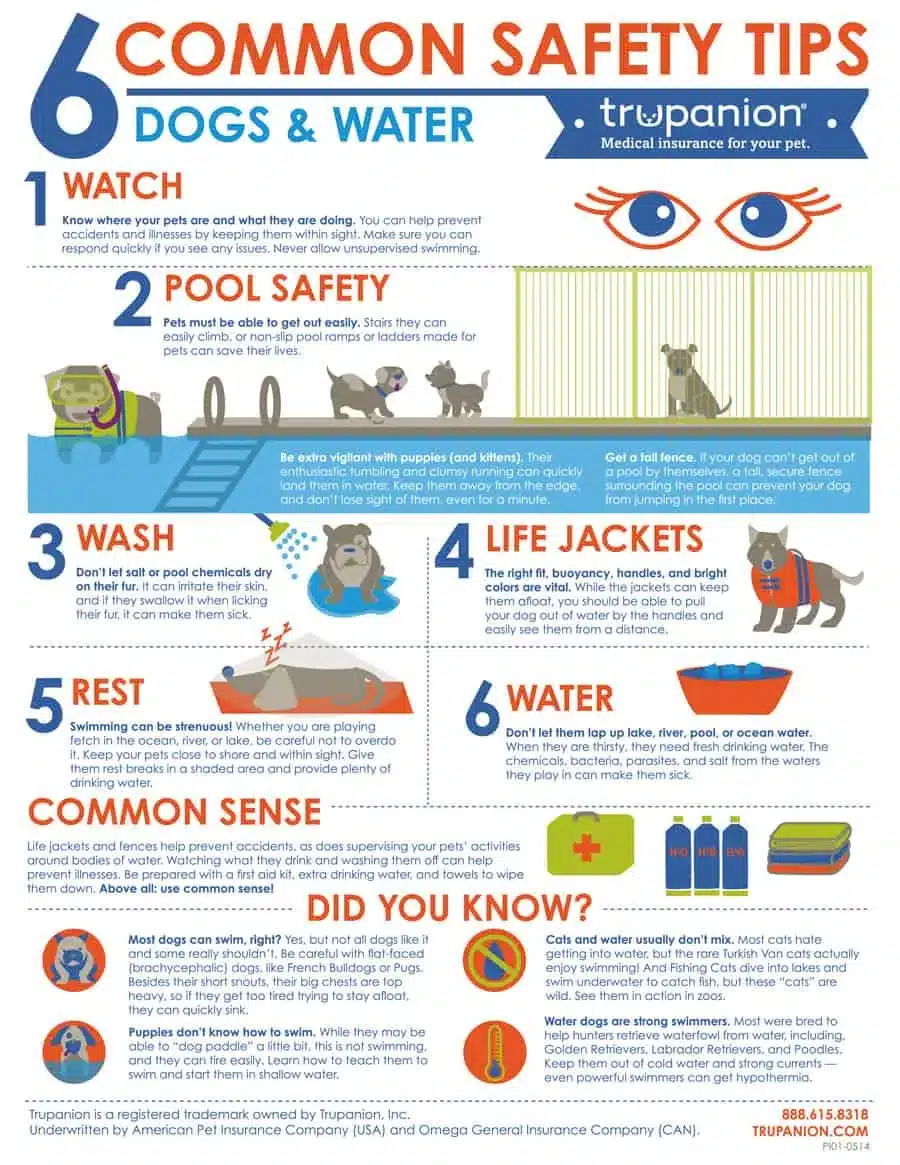
Spending a day by the river can be a delightful adventure for both you and your furry friend. Whether it’s splashing in the water, exploring the banks, or just cooling off on a hot day, river swimming is a fantastic outdoor activity. But after a fun-filled day in the river, your dog’s coat can be filled with dirt, mud, plant debris, and even bacteria that can cause skin issues or discomfort if not properly cleaned. Properly bathing your dog after river swimming isn’t just about keeping them looking good—it’s essential for their health and well-being.
In this comprehensive guide, we’ll walk you through each step of the cleaning process, from preparing your bathing area to preventing future skin problems. Whether you’re a seasoned dog owner or new to outdoor adventures with your pet, understanding how to effectively and safely bathe your dog after river swimming will help ensure they stay healthy, comfortable, and happy.
Preparing the Bathing Area and Gathering Necessary Supplies
The first step in giving your dog a proper post-river bath is setting up a safe, comfortable bathing area and gathering all the necessary supplies ahead of time. This preparation will streamline the process and reduce stress for both you and your dog. Choose a location that is easily accessible, such as a backyard bathtub, a designated outdoor wash station, or even your bathtub if you’re limited on space. Make sure the area is stable, non-slip, and free of hazards to prevent your dog from slipping or getting injured during the bath.
Next, gather all supplies you’ll need, including dog-specific shampoo, a gentle brush or comb, towels, and possibly a hose or bucket of lukewarm water. It’s wise to have a leash or harness nearby to help keep your dog steady during the bath. Additionally, consider including items like dog-friendly wipes, an ear cleaner, and a drying blower if your dog has thick fur or tends to take longer to dry. Having everything within arm’s reach minimizes the need to leave your dog unattended, which can be especially helpful if they’re anxious or excitable.
Lastly, ensure the water temperature is lukewarm—not too hot or cold—as extreme temperatures can cause discomfort or stress for your dog. Check the water with your wrist or elbow before starting. If your dog is skittish or anxious about baths, incorporating calming techniques—like speaking softly, offering treats, or familiar toys—can help make the experience more positive. Proper preparation ensures a smoother, more effective cleaning process, setting the stage for a healthy recovery from river exposure.
Rinsing Off River Water to Remove Dirt and Debris
Before applying shampoo, it’s crucial to thoroughly rinse off your dog to remove as much river water, dirt, and debris as possible. This initial rinse helps loosen mud, plant material, and other particles that may cling to your dog’s coat, making the subsequent bathing process more effective. Use lukewarm water—preferably from a hose with adjustable flow or a gentle spray nozzle—to gently wash your dog from neck to tail, paying close attention to areas where debris tends to accumulate, such as between the toes, under the chin, and around the ears.
During this rinsing phase, be mindful of your dog’s comfort and avoid spraying directly into their face or ears. For dogs with sensitive skin or those prone to ear infections, it’s best to keep water out of their ears as much as possible. If your dog is especially muddy or coated in plant matter, consider using a soft brush or sponge during this rinse to help dislodge stubborn debris. Rinsing not only cleans the coat but also reduces the amount of shampoo and water needed during the actual bath, making the process quicker and less stressful.
Remember that river water can harbor bacteria, algae, and other microorganisms that could cause skin infections or irritations. A thorough rinse is your first line of defense in removing these potential hazards. After rinsing, inspect your dog’s coat for any signs of injury, cuts, or skin abnormalities that may require veterinary attention. Proper rinsing ensures a cleaner, healthier coat and sets a solid foundation for the grooming process ahead.
Using Dog-Safe Shampoo and Proper Bathing Techniques
Once your dog is well-rinsed, it’s time to introduce dog-safe shampoo. Choose a gentle, veterinary-recommended shampoo formulated specifically for dogs, especially if your dog has sensitive skin or allergies. Avoid human shampoos, which can disrupt the pH balance of a dog’s skin and cause irritation. When applying shampoo, start at the neck and work your way down, massaging it into the coat thoroughly to lift dirt and oils. Be careful around the face and ears; use a damp cloth to clean these areas gently instead of applying shampoo directly.
Effective bathing techniques involve not only applying shampoo but also ensuring it reaches the skin. Use your fingertips or a soft brush to massage the shampoo into the coat, paying special attention to areas that tend to trap dirt, such as behind the ears, under the legs, and around the groin. Let the shampoo sit for a few minutes if needed (check product instructions) to allow it to break down grime and kill bacteria. Then, rinse thoroughly, making sure no residue remains—leftover shampoo can cause irritation or itching. Repeat if your dog is particularly dirty or muddy.
Finally, always stay calm and gentle during the bath to reduce your dog’s anxiety. Use a steady, soothing voice, and reward their cooperation with treats or praise. Proper bathing techniques not only clean your dog more effectively but also contribute to their overall comfort and trust in the grooming process. Well-executed baths promote healthier skin and coat, preventing issues like dryness, itching, or bacterial overgrowth caused by river exposure.
Drying Your Dog and Checking for River-Related Skin Issues
After the bath, it’s essential to dry your dog thoroughly to prevent skin issues resulting from prolonged moisture. Use a clean, absorbent towel to gently pat your dog dry, paying attention to areas where water tends to collect—such as under the belly, between paw pads, and around the ears. If your dog has a thick coat or is prone to matting, you might consider using a pet-safe blow dryer set on a low, cool setting to expedite the drying process. Always keep the dryer moving and avoid pointing it directly at the skin to prevent burns or discomfort.
While drying, take the opportunity to perform a detailed skin check. River water can introduce bacteria, algae, or parasites that may cause skin infections, rashes, or irritation. Look for signs such as redness, swelling, pustules, unusual rashes, or hair loss. Check their paws, as river debris can cause cuts or irritation, and examine the ears for signs of infection or wax buildup. If you notice anything abnormal, consult your veterinarian promptly to address potential issues before they worsen. Regular skin checks after river outings ensure early detection and treatment of any problems.
Beyond just drying, this is also a good time to brush your dog’s coat to remove loose hair and prevent matting. Brushing stimulates healthy skin and distributes natural oils throughout the coat, promoting a shiny, healthy appearance. If your dog has sensitive or itchy skin, consider applying a dog-specific moisturizer or skin conditioner recommended by your vet. Proper drying and skin inspection are vital steps in maintaining your dog’s overall coat health and preventing river-related skin complications.
Tips for Preventing Future River-Related Skin Problems and Maintaining Coat Health
Prevention is always better than cure, especially when it comes to your dog’s skin health after outdoor water activities like river swimming. To reduce the risk of future skin problems, establish a regular bathing routine that includes rinsing off your dog’s coat after each river trip. Using a gentle, hypoallergenic shampoo can help maintain skin balance and reduce irritation. Additionally, keep your dog’s coat well-groomed; regular brushing removes dirt, debris, and loose fur, minimizing the chance of matting or harboring bacteria.
Another key tip is to keep your dog’s paws clean and check for cuts or embedded debris after each river outing. Riverbeds often contain sharp rocks, plant thorns, or other hazards that can cause minor injuries or infections. Using paw wipes or a quick rinse can help prevent these issues from developing into more serious skin problems. Applying paw balm before and after outings can also provide extra protection against irritation caused by rough terrain or river water exposure.
Lastly, consider consulting your veterinarian about skin supplements, such as omega-3 fatty acids, which can promote a healthy coat and reduce inflammation. Maintaining a balanced diet rich in essential fatty acids supports your dog’s skin barrier, making it more resilient against environmental stressors. Regular veterinary check-ups are also recommended to catch any skin issues early and to get personalized advice on bathing routines and skin care products. Proactive care ensures your dog remains healthy, happy, and ready for the next river adventure.
Conclusion
Cleaning your dog after a day of river swimming involves more than just a quick rinse—it’s an essential part of safeguarding their health and ensuring they stay comfortable and free from skin issues. From preparing the right bathing environment and gathering supplies, to rinsing thoroughly and using dog-safe shampoo, each step plays a vital role in a safe, effective cleanup. Proper drying and skin inspections help catch potential problems early, while preventative measures like regular grooming and paw care help maintain your dog’s coat health long-term.
Remember, outdoor adventures are wonderful for your dog’s physical and mental well-being, but they come with responsibilities. Maintaining a consistent post-river care routine, combined with preventive measures, can significantly reduce the risk of skin infections, irritations, or other complications. Your attentive, caring approach will ensure your furry friend remains healthy, happy, and ready for the next outdoor escapade. Keep these tips in mind, and turn your river days into safe, enjoyable experiences for both of you!