


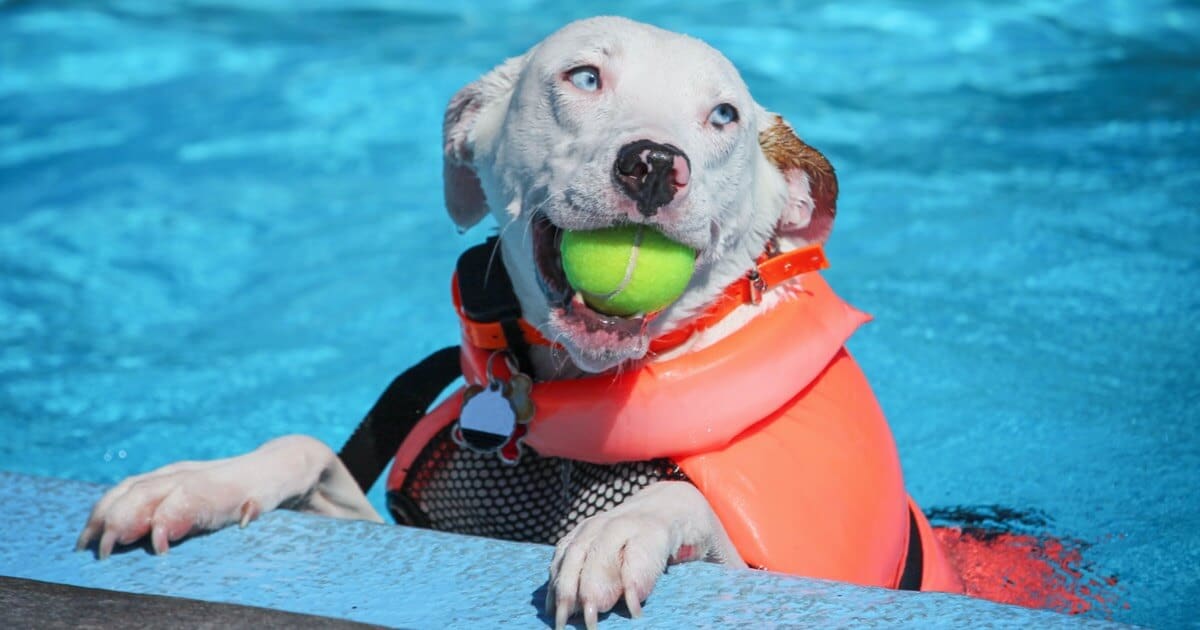
How to Bathe Your Dog After Swimming in Chlorine or Saltwater: Tips & Guide
Whether your furry friend loves splashing around in the pool or frolicking at the beach, swimming is a fantastic way for dogs to stay active and entertained. However, exposing your dog to chlorine from pools or saltwater from beaches can take a toll on their coat and skin if not properly rinsed and cared for afterward. In this guide, we’ll walk you through the importance of understanding how chlorine and saltwater affect your dog’s coat, what supplies you’ll need, and step-by-step instructions to give your pup a thorough bath that keeps their skin healthy and coat shiny. Plus, you’ll get expert tips on proper grooming and drying techniques to ensure your dog remains comfortable and happy after their aquatic adventures.
Understanding the Impact of Chlorine and Saltwater on Your Dog’s Coat and Skin
Chlorine and saltwater are common components of recreational water sources like pools and beaches, but they can cause significant skin and coat issues for dogs if not properly managed. Chlorine, used to disinfect swimming pools, can strip natural oils from your dog’s skin and coat, leading to dryness, irritation, and even dermatitis. Overexposure can also dry out the skin, causing itching, flakiness, and in some cases, allergic reactions. Dogs with sensitive skin or pre-existing skin conditions are particularly vulnerable, making post-swim rinsing essential.
Saltwater from the ocean, while more natural, isn’t without risks. Salt can dehydrate your dog’s skin, leading to increased itching, redness, and irritation. Additionally, salt residue can cause coat matting and dullness if not thoroughly rinsed away. Saltwater exposure can also lead to salty crusts on the skin and coat, which may harbor bacteria or fungi if left uncleaned. Furthermore, some ocean water contains other irritants like algae or pollutants that can exacerbate skin sensitivities. Understanding these impacts underscores the importance of a proper post-swim bathing routine to protect your dog’s health.
Regularly swimming in chlorinated or saltwater environments without proper rinsing can compromise your dog’s coat’s natural barrier, making it more prone to infections or skin disorders. The dehydration effect caused by salt and chlorine can also weaken the coat’s natural shine and elasticity. In addition, residues left on the coat can lead to unpleasant odors and matting, which complicates grooming routines and can cause discomfort for your dog. By understanding these effects, you can take proactive steps to mitigate damage and maintain your pet’s coat and skin health.
Preparing for Your Dog’s Post-Swim Bath: Necessary Supplies and Precautions
Before heading out for a swim or returning home, preparing the right supplies can make the post-swimming cleanup much easier and more effective. Start with a gentle, dog-specific shampoo formulated to remove chlorine and salt buildup without stripping the coat of its natural oils. Consider having a detangling conditioner or coat spray designed for post-swim grooming, which can help restore moisture and ease grooming after the bath. Additionally, a large bucket or hose for rinsing, and soft towels or a drying mat, are essential to prevent your dog from slipping and to start the drying process comfortably.
It’s also wise to gather grooming tools such as a slicker brush or a wide-tooth comb to detangle your dog’s coat before it dries. If your dog has a thick or long coat, a dematting tool or coat rake can help prevent mats from forming in damp hair. For dogs with sensitive skin, hypoallergenic or medicated shampoos might be necessary—consult your veterinarian for recommendations. Precautions include keeping your dog calm during bathing, especially if they’re anxious around water. Using non-slip mats in the bathing area can prevent slips and injuries. Protecting their ears with cotton balls or water-resistant ear covers can help prevent water from entering sensitive areas and causing infections.
Safety should always come first. Make sure the bathing area is in a temperature-controlled environment to prevent your dog from getting too cold or overheated. If you’re bathing outdoors, choose a shaded spot and avoid direct sunlight, which can cause your dog to overheat during the process. Keep all supplies within arm’s reach to minimize the time your dog spends wet and exposed. Also, check for any cuts, rashes, or skin abnormalities before bathing, and skip bathing if your dog shows signs of illness or skin infection. Proper preparation ensures a smooth, stress-free post-swim cleanup that keeps your pup comfortable and healthy.
Step-by-Step Guide to Properly Rinsing Away Chlorine and Salt Residue
A thorough rinse is the cornerstone of effective post-swimming care. Begin by gently wetting your dog’s coat with lukewarm water—hot water can dry out the skin further, while cold water might be uncomfortable. Use a hose with a gentle spray or a cup to ensure you’re rinsing all areas, paying special attention to the ears, underbelly, paws, and tail where residues tend to accumulate. The goal is to remove as much chlorine or salt as possible without causing stress or discomfort.
Start by thoroughly rinsing the coat from the neck down, working your way towards the tail. Be meticulous around the paws, between the toes, and under the belly, as these areas tend to trap more residue. For dogs with longer fur, you may need to gently separate the hair to ensure water reaches the skin and all residue is rinsed out. Take your time—rushing can leave behind chemical or salt deposits that continue to irritate your dog’s skin. For optimal results, use your hand or a soft sponge to help loosen and remove embedded salt or chlorine. If your dog has a lot of hair, a gentle detangling during rinsing helps prevent mats from forming.
Once you’ve rinsed the entire coat, double-check to make sure no residues remain. A good test is to run your fingers through the fur and feel for any sticky or rough patches. If necessary, repeat the rinsing process until the water runs clear and your dog’s coat feels soft and clean. Remember, thoroughly rinsing away chlorine and salt is crucial—not only for comfort but also for preventing long-term skin issues and maintaining a healthy, shiny coat. Patience and attention to detail during this step can significantly influence your dog’s post-swim comfort and skin health.
Best Practices for Using Dog-Safe Shampoo and Conditioner After Swimming
After rinsing away residues, applying a suitable dog shampoo is essential for deep cleansing and restoring skin balance. Choose a shampoo formulated specifically for dogs; human shampoos can disturb the pH balance of their skin, leading to irritation or dryness. Look for gentle, moisturizing formulas containing natural ingredients like aloe vera, oatmeal, or coconut oil, which soothe irritated skin and help replenish moisture lost during swimming. If your dog has sensitive skin or allergies, opt for hypoallergenic or medicated shampoos recommended by your veterinarian to address specific skin concerns.
Lathering your dog with the right shampoo should be done carefully, starting from the neck and working downward. Use your hands or a soft sponge to massage gently—avoid vigorous scrubbing, which can cause irritation or discomfort. Pay close attention to areas prone to salt or chlorine buildup, including the face, ears, and paws. For added protection, applying a conditioner designed for dogs can help lock in moisture, reduce static, and keep the coat manageable. Leave-in conditioners or coat sprays formulated for post-swim use can also be beneficial in maintaining coat health and ease of grooming.
Rinsing thoroughly after shampooing is just as important as the application itself. Make sure all shampoo and conditioner residues are washed out, as leftover product can cause itching or skin irritation over time. Carefully check the coat and skin to ensure no suds remain. After rinsing, gently squeeze out excess water without wringing, which can damage the hair. Remember, the goal is to clean and hydrate without stripping away essential oils or causing dryness. Stocking up on high-quality, dog-specific grooming products will make this process easier and more effective, ensuring your pup’s coat stays soft, shiny, and healthy after every swim.
Tips for Drying and Grooming Your Dog to Maintain Coat Health and Comfort
Proper drying is just as vital as bathing itself because damp fur can lead to matting, skin irritation, and discomfort. The best approach is to gently towel-dry your dog by patting rather than rubbing, which minimizes frizz and breakage. For dogs with long or thick hair, a microfiber towel can absorb moisture more efficiently and reduce drying time. If your dog tolerates it, using a pet-specific blow dryer on a low, cool setting can speed up the process and help eliminate any remaining dampness, especially around sensitive areas like ears and paws.
When drying your dog, keep their comfort and safety in mind. Ensure the room or outdoor area is warm enough so they don’t catch a chill, especially if they’ve been swimming in cold water. Be cautious around the ears, as excessive moisture can lead to infections. Consider gently drying the ears with a soft cloth or cotton ball—avoid inserting anything into the ear canal. Once your dog is mostly dry, brushing their coat thoroughly removes any loose hair, dirt, or residual salt and helps distribute natural oils. Regular grooming also prevents mats and keeps the coat looking shiny and healthy.
Grooming after bathing offers an excellent opportunity to check for skin abnormalities, parasites, or signs of irritation. Use this time to trim any excess hair around the paws, ears, and sanitary areas, especially if your dog has a thick coat. Regular brushing not only maintains coat health but also reduces shedding and promotes circulation. Remember to praise and reward your dog throughout the drying and grooming process to turn it into a positive experience. By following these best practices, you’ll ensure your dog remains comfortable, well-groomed, and ready for their next aquatic adventure.
Conclusion
Bathing your dog after swimming in chlorinated or saltwater isn’t just about cleanliness; it’s a crucial step in maintaining their overall health and coat vitality. Understanding how chlorine and saltwater impact your dog’s skin and coat helps you prepare better and take effective steps to mitigate potential issues. From gathering the right supplies to following a detailed rinsing and grooming routine, every step ensures your furry friend stays comfortable, happy, and protected from skin irritations and coat damage. Proper drying and regular grooming complete the process, sealing in moisture and keeping your dog looking and feeling their best. Next time your pup takes a dip, remember these tips to give them a safe, refreshing, and healthy post-swim experience. Your dog will thank you with wagging tails and shiny coats!