

How to Bathe Your Dog Naturally: Safe, Simple Ingredients for a Fresh Coat
Giving your dog a bath is more than just a grooming task; it’s an essential part of maintaining their overall health, comfort, and happiness. However, many commercial dog shampoos contain chemicals, synthetic fragrances, and preservatives that can irritate sensitive skin or cause allergic reactions. If you’re looking for a safer, eco-friendly alternative, bathing your dog with natural ingredients is a wonderful choice. Not only can you avoid harsh chemicals, but you also get the chance to bond with your pet while ensuring their coat remains shiny, healthy, and fresh.
In this guide, we’ll explore everything you need to know—from selecting the best natural cleaning ingredients to tips on rinsing and drying—so you can confidently give your dog a safe, effective bath at home. This approach combines simplicity, safety, and sustainability, making grooming a more enjoyable experience for both of you. Whether your furry friend has sensitive skin or you simply prefer a more natural lifestyle, read on to discover how to keep your dog’s coat in tip-top shape with easy, wholesome ingredients.
Selecting Natural Cleaning Ingredients for Dog Baths
When it comes to choosing natural ingredients for your dog’s bath, it’s important to prioritize gentle, effective, and pet-safe options. Common household items like oatmeal, apple cider vinegar, and baking soda can work wonders for cleaning and soothing your dog’s skin without exposing them to harmful chemicals. For example, colloidal oatmeal is well-known for its soothing properties, making it ideal for dogs with itchy or irritated skin. It gently cleanses while providing relief from dryness and irritation, promoting a calm, healthy coat.
Another powerful natural ingredient is apple cider vinegar (diluted), which acts as a natural antibacterial and deodorizer. Its acidic nature helps to balance the skin’s pH, preventing fungal and bacterial issues that often cause odors or skin infections. Remember, always dilute vinegar properly (generally 1 part vinegar to 4 parts water) and avoid contact with the eyes. Additionally, coconut oil is a versatile option with antifungal, antibacterial, and moisturizing qualities, making it perfect for coats that need a boost of shine and softness. It can be added to rinses or used as a topical treatment before or after baths.
For a more foamy clean, castile soap made from natural oils is an excellent choice. Look for unscented, pet-safe formulations that are free from synthetic fragrances and sulfates. When selecting ingredients, also consider your dog’s specific needs—sensitive skin, allergies, or coat type—as this can influence which natural products will be most effective. Always opt for organic or pure options whenever possible, ensuring your pet isn’t exposed to pesticides or additives that could cause irritation.
Preparing Your Dog and Bathing Area for a Natural Dog Wash
Proper preparation sets the stage for a successful, stress-free natural bath. Before you start, gather all your ingredients, tools, and towels to keep everything within reach, minimizing the need to leave your dog unattended. Make sure the bathing area is safe—non-slip mats in the tub or basin are crucial to prevent slipping and make your dog feel secure. If you’re bathing outdoors, choose a shaded spot and ensure the water temperature is comfortably warm—not hot or cold—to prevent distress or burns.
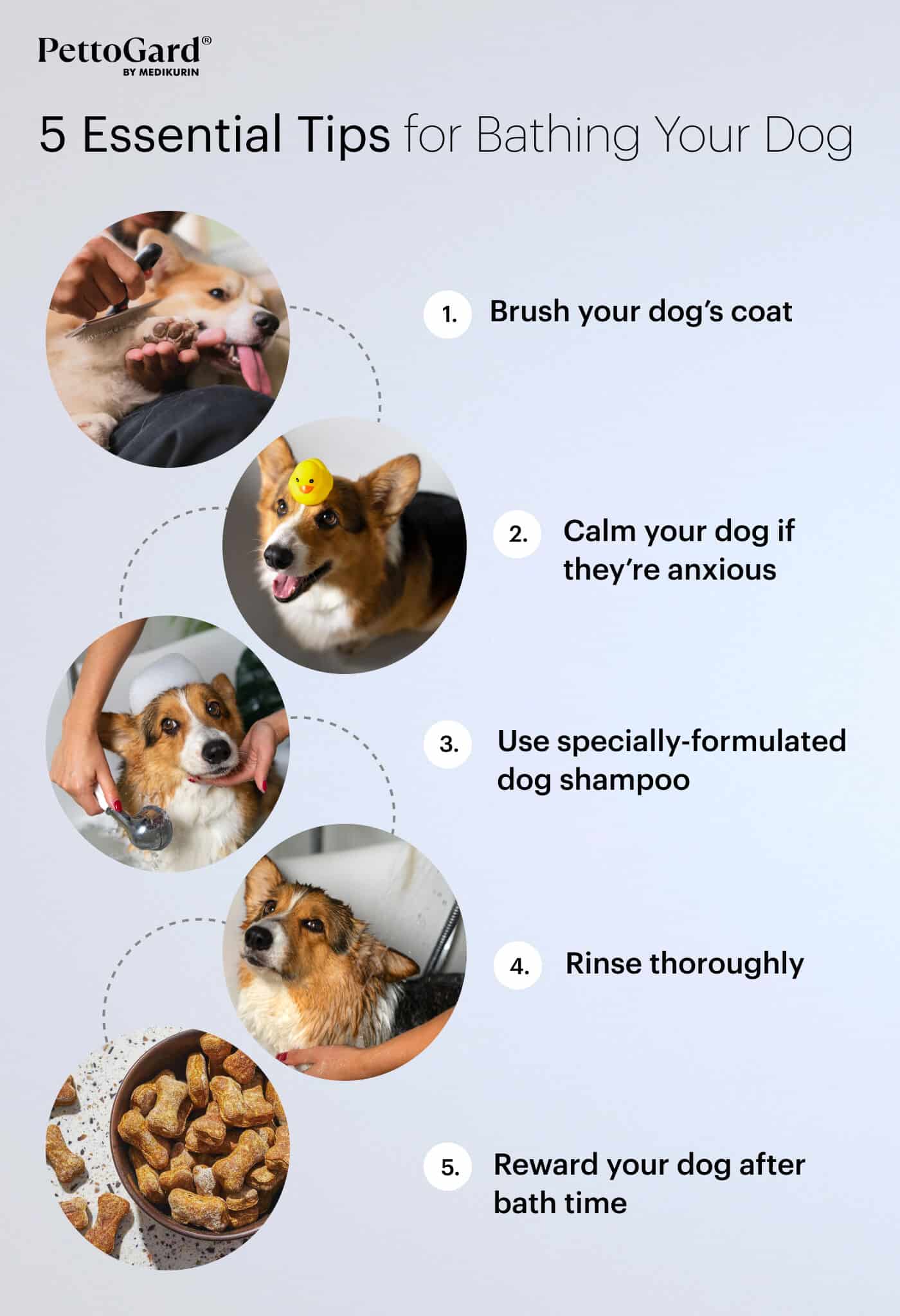
Next, take a moment to brush your dog thoroughly before the bath. Brushing removes loose hair, dirt, and tangles, which allows the natural ingredients to work more effectively and prevents matting. It also helps reduce shedding during and after the bath. For dogs with longer coats, use a gentle slicker brush or comb designed for their fur type. If your dog is nervous about baths, speak softly, offer treats, and keep the atmosphere calm to ease anxiety.
It’s equally important to inspect your dog’s skin for any signs of irritation, cuts, or abnormalities before bathing. If your dog has skin conditions or allergies, consult your veterinarian for tailored advice or specific natural ingredients that are safe for their situation. Preparing a rinse bucket or spray bottle filled with your chosen natural solution can make the process smoother, especially if you’re using natural rinses like apple cider vinegar or herbal infusions. Remember, a calm, prepared approach helps your dog associate baths with comfort rather than stress.
Step-by-Step Guide to Bathing Your Dog with Natural Ingredients
Now that your area is set and your dog is comfortable, it’s time to give them a natural, effective bath. Start by wetting your dog’s coat thoroughly with warm water—this helps open pores and allows the natural ingredients to penetrate more deeply. Apply your chosen natural cleaner—whether it’s a diluted castile soap, oatmeal rinse, or apple cider vinegar solution—starting from the neck and working downward, ensuring you cover all areas, including underarms, groin, and behind the ears.
Gently massage the mixture into your dog’s coat and skin, using soft circular motions. This not only helps distribute the cleanser evenly but also stimulates blood circulation and provides a calming experience. Be careful around sensitive areas like the face, eyes, and ears; use a damp cloth for cleaning those spots rather than pouring liquid directly. If you’re using ingredients like coconut oil, apply it sparingly and focus on dry patches or areas prone to irritation.
Once the entire coat is thoroughly cleaned, rinse your dog with clean, lukewarm water. The rinsing step is crucial to remove all residues of natural ingredients—especially for ingredients like apple cider vinegar or herbal infusions—so your dog’s coat doesn’t feel sticky or uncomfortable. Repeat the rinse if needed to ensure all traces are gone. Finish by gently squeezing excess water from the coat or wrapping your dog in a towel to remove excess moisture. Remember, patience and gentle handling will make the process smoother for your furry friend.
Tips for Rinsing and Drying Using Gentle, Natural Methods
Proper rinsing and drying are often overlooked but are vital for maintaining your dog’s skin health and a shiny coat. Use clean, lukewarm water to thoroughly rinse out all natural cleaning solutions, ensuring no residue remains that could cause irritation. Pay special attention to folds, ears, and under the tail, where soap or rinse solutions can hide and cause discomfort. If your dog resists rinsing, try pouring water gently or using a handheld showerhead for better control, always keeping the flow gentle and consistent.
After rinsing, gently pat your dog dry with a soft towel. Avoid vigorous rubbing, which can tangle hair or irritate sensitive skin. If your dog has longer hair, consider using a microfiber towel or a grooming dryer on a low, cool setting—never hot—to finish the drying process. Natural drying methods are best for maintaining coat health; air drying in a shaded, well-ventilated space allows the natural oils in your dog’s coat to settle evenly and promotes healthy skin. If you’re in a hurry, a blow dryer with a cool setting is fine, but always keep it at a safe distance to prevent burns or discomfort.
For dogs prone to skin issues or allergies, consider applying a light coat of natural, dog-safe conditioner or coconut oil after drying to keep their skin moisturized. Regularly check their skin for signs of dryness, irritation, or infection, especially if you bathe frequently. Remember, patience and gentle handling during rinsing and drying contribute greatly to a positive grooming experience that your dog will look forward to.
Maintaining Your Dog’s Coat and Skin Health with Regular Natural Grooming
Consistent, natural grooming is key to maintaining a healthy, radiant coat that looks and feels great. Besides regular baths, brushing your dog multiple times a week helps distribute natural oils, remove loose hair, and prevent mats and tangles. Use gentle, natural brushes suited to your dog’s coat type and always brush in the direction of hair growth. This not only keeps the coat smooth but also stimulates skin health and improves circulation, contributing to a shiny, healthy coat.
Incorporate natural grooming products into your routine, such as herbal sprays or homemade coat conditioners, to support skin hydration and coat vitality. Ingredients like aloe vera, chamomile, and lavender—used in diluted forms—can soothe skin and keep your dog smelling fresh naturally. Be mindful of seasonal changes; during colder months, your dog’s skin may need extra moisture, so natural oils like coconut or jojoba can be applied sparingly to damp fur as a protective barrier.
Finally, a balanced diet rich in omega-3 fatty acids, vitamins, and minerals is essential for healthy skin and coat. Consult your veterinarian for recommendations on natural supplements or dietary adjustments to complement your grooming routine. Regular check-ups and attention to skin health help catch issues early, ensuring your dog’s coat remains a source of pride and comfort. Natural grooming isn’t just about appearances; it’s about nurturing your dog’s overall health and well-being.
Conclusion
Transitioning to natural bathing methods for your dog is a rewarding journey that benefits their health, environment, and your peace of mind. By selecting gentle, effective ingredients like oatmeal, apple cider vinegar, coconut oil, and castile soap, you can create a safe and soothing bathing experience tailored to your pet’s needs. Proper preparation, careful execution, and gentle drying techniques ensure your dog remains comfortable and relaxed throughout the grooming process.
Remember, consistency is key—regular natural grooming not only keeps your dog’s coat looking shiny and vibrant but also promotes healthy skin and a happier, more comfortable pet. The best part? You’re actively reducing your dog’s exposure to harmful chemicals and supporting a more eco-friendly lifestyle. So, gather your natural ingredients, set aside some quality time, and enjoy the simple pleasure of giving your dog a fresh, naturally clean coat—because their health and happiness are worth it.