


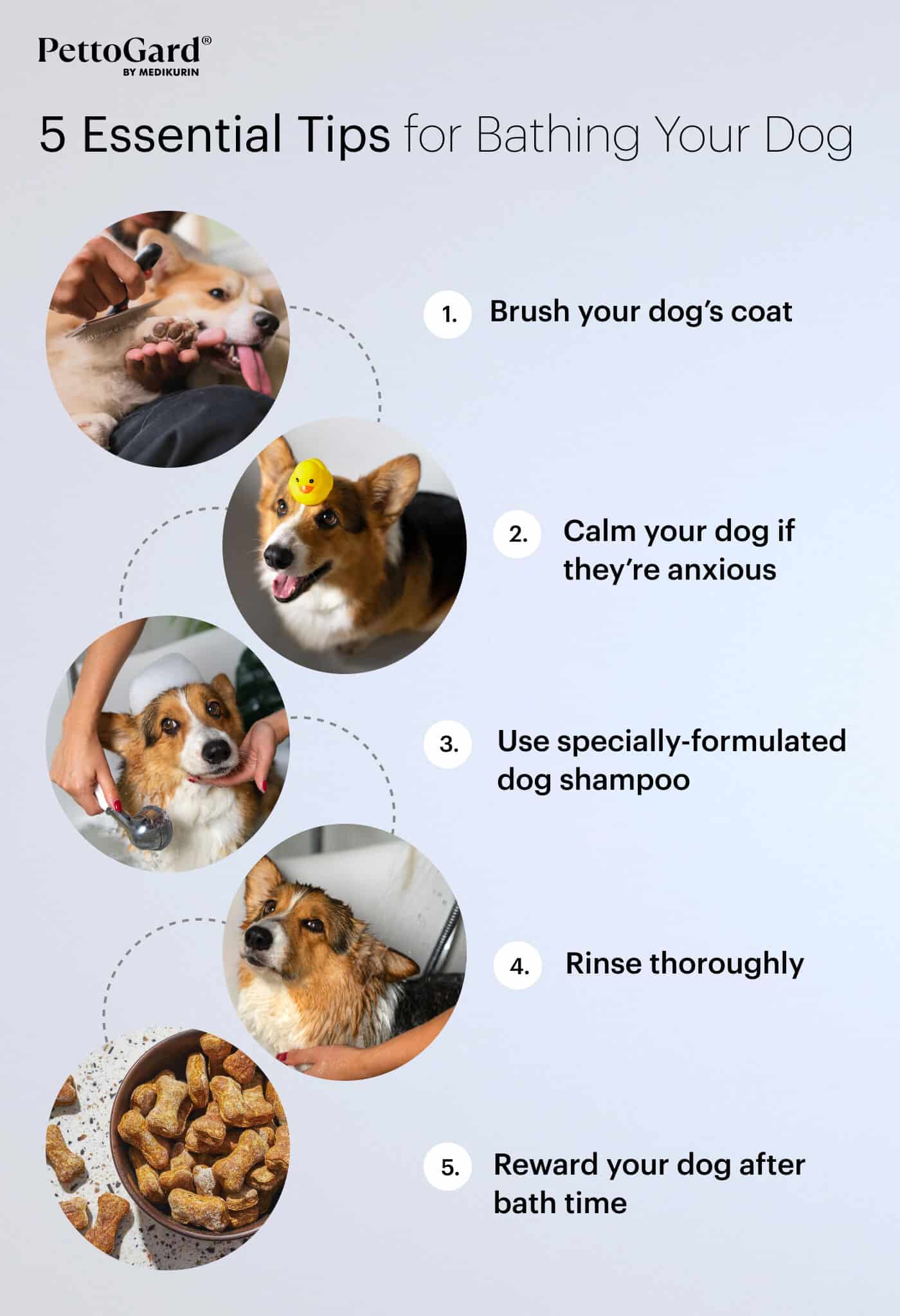
How to Bathe Your Dog Using a Water Sprinkler: Tips for a Stress-Free Clean
Giving your dog a bath can sometimes feel like a daunting task—especially if your furry friend isn’t a fan of water. But with the right approach, patience, and some handy tools like a water sprinkler, you can turn this chore into a much more enjoyable experience for both of you. Using a water sprinkler offers a controlled, gentle way to rinse your dog, reducing stress and making the process smoother. In this article, we’ll walk you through the essential steps—from preparing your space to ensuring your dog feels comfortable—so that bath time becomes a stress-free, bonding experience.
Preparing the Bathroom and Gathering Supplies for Dog Bathing
Before you even turn on the water, preparation is key to making your dog’s bath stress-free and efficient. Start by choosing a suitable location—whether that’s a bathtub, a walk-in shower, or an outdoor space like your yard—where you have enough room to move comfortably and keep your dog secure. Clear the area of any obstacles or clutter to prevent accidents and ensure easy access to all your supplies.
Gather all necessary items beforehand to streamline the process. These typically include dog-specific shampoo, a towel or two, a brush or comb, a non-slip mat to prevent slipping, and, of course, your water sprinkler. Using a sprinkler designed for outdoor use or one with adjustable spray settings can make a significant difference in controlling water flow and pressure. Keep treats handy to reward your dog during and after the bath—positive reinforcement encourages good behavior.
Finally, consider the weather if bathing outdoors. On hot days, outdoor baths can be refreshing and fun, but on cold days, it’s better to opt for an indoor setup to keep your dog comfortable. Make sure the water temperature is lukewarm—not too hot or cold—to prevent discomfort. Having everything prepared and within reach minimizes surprises and helps keep your dog calm and relaxed throughout the process.
Adjusting the Water Sprinkler Settings for Safe and Comfortable Washing
Using a water sprinkler offers a gentle way to rinse your dog, but it’s crucial to adjust the settings properly to ensure safety and comfort. Start by testing the sprinkler on your hand or arm to determine its water pressure and spray pattern. Look for a setting that delivers a fine, gentle mist or a soft spray rather than a high-pressure stream, which could scare or hurt your dog.
Once you find a suitable setting, aim the sprinkler at your dog’s body, avoiding sensitive areas like the face and ears until you’re comfortable with the spray’s strength. Many outdoor sprinklers come with adjustable nozzles—use these to control the size and force of the spray, opting for wider, softer sprays that mimic a gentle rain shower. Adjusting the pressure helps prevent water from startling your dog and reduces the risk of discomfort or injury.
Remember, patience is vital. If your dog appears anxious or frightened, reduce the water pressure further or pause to soothe them before continuing. It’s also a good idea to start spraying from a distance and gradually move closer, so your dog can get used to the sensation. Consistent, gentle spraying with an adjustable sprinkler makes the bathing process safer and more enjoyable for your canine companion.
Proper Techniques for Wetting and Applying Shampoo to Your Dog
Once your water sprinkler is set up and your dog is comfortable, it’s time to start wetting them thoroughly. Begin by gently spraying your dog’s body, starting from the neck and moving downward, making sure to avoid the face initially. Use slow, sweeping motions to evenly distribute water across the coat and skin, ensuring no area is left dry or under-wet, as this can interfere with shampoo effectiveness.
When it’s time to apply shampoo, choose a product formulated specifically for dogs. Human shampoos can be too harsh and may upset your dog’s skin or cause irritation. Pour a generous amount of dog shampoo into your hands, then lather it into your dog’s coat, working from the neck down to the tail, and paying attention to areas that tend to get greasy or dirty, like paws, armpits, and underbelly. Use your fingertips or a soft brush to massage the shampoo into the coat, helping to remove dirt, loose hair, and odors.
As you apply shampoo, be mindful of your dog’s eyes, ears, and mouth. Avoid getting shampoo directly into these sensitive areas. For the face, use a damp cloth or a gentle spray to clean around the eyes and nose. Proper application of shampoo not only cleans your dog effectively but also reduces the need for excessive rinsing, making the bath quicker and less stressful.
Rinsing and Drying Your Dog Effectively Using the Water Sprinkler
Rinsing is arguably the most critical part of the bath—thorough removal of shampoo residue ensures your dog’s coat remains healthy and free of irritation. Using your water sprinkler, switch to a gentle spray setting and start rinsing from the neck downward, again avoiding the face initially. Take your time and make sure to rinse all areas where shampoo was applied, including under the legs and around sensitive spots.
Pay attention to knots or tangles in your dog’s coat, as residual shampoo can cause matting or skin issues if not rinsed out properly. Use your fingers or a comb to help loosen any stubborn tangles while rinsing. Ensure that no shampoo remains, especially in thick coats or around folds of skin, as leftover residue can cause irritation or itching.
Once your dog is thoroughly rinsed, gently squeeze out excess water before moving to drying. Using a soft towel, pat your dog dry—avoid vigorous rubbing, which can cause discomfort or matting. For long-haired breeds, consider using a blow dryer on a low, cool setting, keeping it at a safe distance, to speed up drying and prevent dampness that could lead to skin infections. Proper rinsing and drying contribute significantly to your dog’s comfort and health post-bath.
Tips for Ensuring a Stress-Free Bathing Experience for Your Dog
Transforming bath time into a stress-free event requires patience, positive reinforcement, and a calming environment. Start by making your dog comfortable with the setup—introduce the water sprinkler gradually, allowing your dog to sniff and explore it without pressure. Use treats and praise to reward calm behavior, associating bath time with positive experiences.
Creating a calming atmosphere also helps. Speak softly, use a gentle tone, and keep the environment quiet and free of sudden movements or loud noises. If your dog tends to be anxious, consider giving them a favorite toy or blanket during the bath. Short, frequent baths are often better than long, stressful sessions, especially for dogs that dislike water.
Finally, be attentive to your dog’s cues and never force them into discomfort. If your dog shows signs of extreme stress or fear, take a break and try again later. Consistency, patience, and gentle handling will help your dog build trust over time, making future baths easier and more pleasant for both of you. Remember, the goal is to keep your dog clean while ensuring they feel safe and loved throughout the process.
Conclusion
Bathing your dog using a water sprinkler can be an effective, gentle, and enjoyable way to keep your furry friend clean. Proper preparation, adjusting the sprinkler’s settings for safety and comfort, and employing proper washing techniques are essential steps. Rinsing thoroughly and drying carefully ensure your dog’s coat stays healthy, while a calm, positive environment can turn bath time into a bonding experience rather than a stressful chore. With patience and practice, you’ll master the art of stress-free dog baths and make grooming a more pleasant activity for your beloved pet. So, grab your supplies, set up your sprinkler, and turn bath time into a relaxing, fun routine your dog can look forward to!