


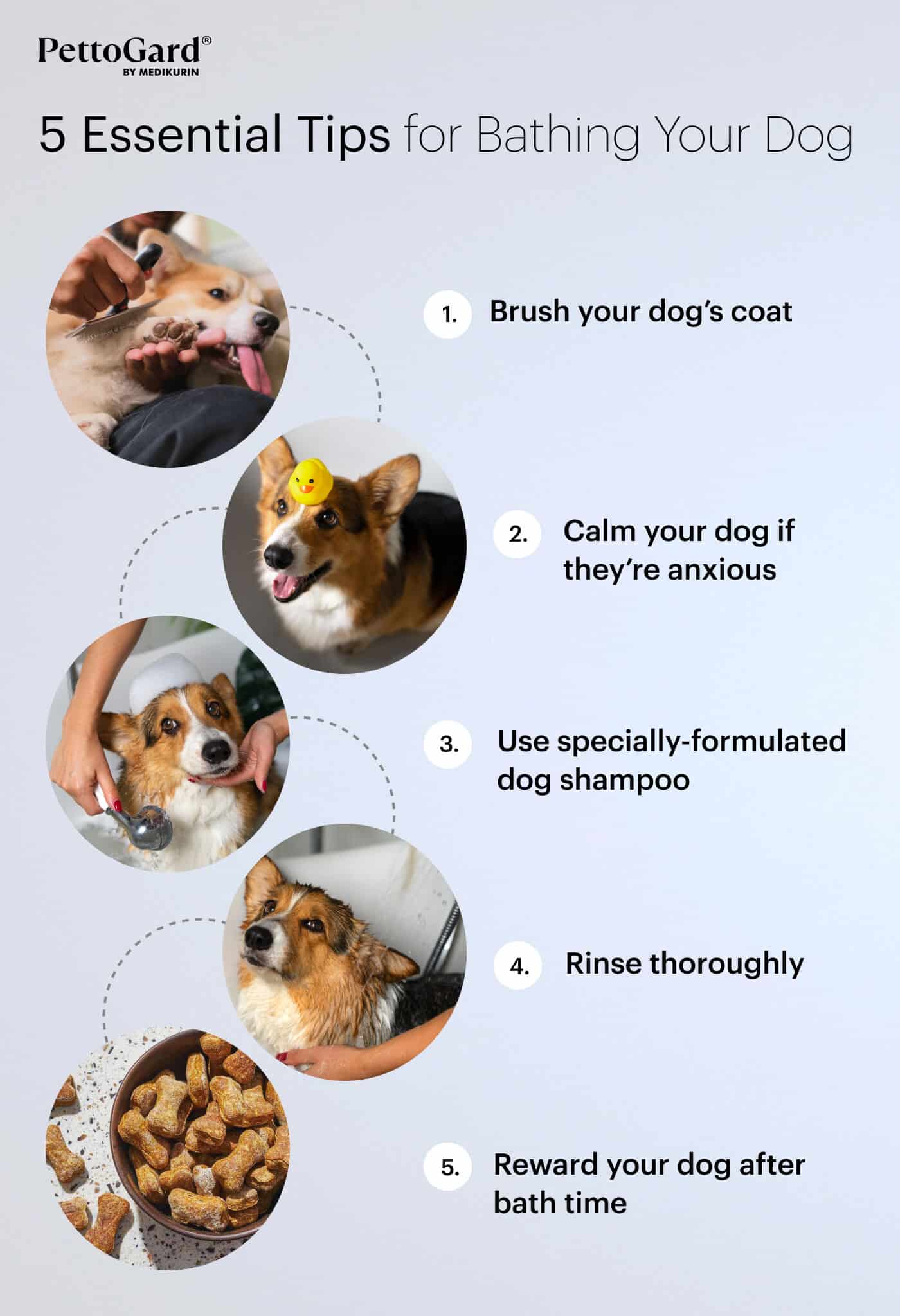
How to Bathe Your Dog Without Causing Anxiety: Tips for a Calm, Stress-Free Grooming
Bathing your dog is an essential part of grooming that keeps your furry friend healthy, clean, and happy. However, many dogs find baths intimidating or stressful, which can lead to anxiety, fear, or even resistance during future grooming sessions. The good news is that with a little patience, preparation, and the right approach, you can transform bath time into a calm, positive experience for your dog. This article offers practical, well-researched tips on how to bathe your dog without causing unnecessary stress, ensuring that grooming becomes a bonding activity rather than a dreaded chore.
Preparing Your Dog and Setting Up a Calm Bathing Environment
Creating a soothing environment is the first step toward a stress-free bath. Dogs are highly sensitive to their surroundings, and a chaotic or loud setting can heighten their anxiety. Before the bath, take time to prepare everything you need—shampoo, towels, a non-slip mat, and any grooming tools—so you’re not scrambling mid-bath. Choosing a quiet, familiar space, such as a bathroom or laundry room, helps your dog feel more at ease. If your dog is particularly nervous, consider placing a blanket or a familiar toy nearby to provide comfort.
Additionally, it’s beneficial to establish a routine that your dog can associate with bath time. Regularly scheduled baths at consistent times help reduce uncertainty and build positive expectations. Before giving a bath, spend some time calming your dog with gentle petting or a walk to expend excess energy. This not only reduces hyperactivity but also helps your dog associate the upcoming bath with positive, relaxing experiences. Remember, patience is key—rushing or forcing your dog into the bath can escalate anxiety, so go at a pace that feels comfortable for your pet.
Finally, consider using calming aids if your dog is particularly anxious. Products like pheromone sprays, calming collars, or herbal supplements can create a more relaxed environment. Playing soft, calming music during bath time can also help drown out stressful background noise. Setting up a calm, inviting space in advance sets the stage for a pleasant grooming session, making your dog more receptive and less fearful.
Using Gentle, Dog-Specific Products for a Stress-Free Bathing Experience
Choosing the right grooming products is crucial for both your dog’s health and their emotional comfort. Opt for gentle, dog-specific shampoos that are free from harsh chemicals, fragrances, or irritants. Human shampoos or those formulated for other animals can cause skin irritation or allergic reactions, adding to your dog’s discomfort. Look for products containing soothing ingredients like oatmeal, aloe vera, or chamomile, which help calm sensitive skin and reduce itching.
Using the right products also means applying them correctly to avoid unnecessary stress. Wet your dog gradually with lukewarm water—never hot or cold—focusing on the body rather than the face initially. Use a soft washcloth or a gentle sprayer to minimize splash and noise, which can be startling. When applying shampoo, be gentle and work it into a light lather, paying attention to areas that tend to accumulate dirt, like paws, chest, and under the ears. Rinse thoroughly to prevent residue, which can cause irritation or discomfort.
Beyond shampoos, consider using conditioners or detangling sprays formulated for dogs, especially if your dog has long or thick fur. These products make grooming easier after the bath and promote healthier coat and skin. Always follow product instructions carefully and avoid getting soap or water in your dog’s eyes, ears, or nose. Using high-quality, appropriate grooming products helps ensure a soothing experience that doesn’t compromise your dog’s skin health and overall comfort.
Employing Relaxation Techniques and Positive Reinforcement During Bathing
Creating a positive association with bath time is essential for reducing anxiety. Incorporate relaxation techniques such as calm, steady voice commands and gentle petting to reassure your dog throughout the process. Speaking in a soothing tone helps convey that bath time is safe and non-threatening. Avoid sudden movements or loud noises, and take breaks if your dog shows signs of stress, giving them time to relax before continuing.
Positive reinforcement plays a pivotal role in making baths a pleasant experience. Reward your dog with treats, praise, or playtime immediately after each successful step—whether it’s standing calmly in the tub, allowing you to shampoo, or tolerating gentle rinsing. Keep treats small and appealing to maintain your dog’s interest and motivation. Over time, these rewards help your dog associate bath time with positive outcomes, gradually reducing fear or resistance.
Another effective strategy is to incorporate brief, frequent sessions rather than long, overwhelming baths. Shorter sessions allow your dog to build confidence gradually. During the bath, remain calm and patient, never force your dog into a submissive position, and reassure them with gentle words and petting. Over time, this consistent approach helps your dog develop a sense of trust, making future grooming less stressful and more of a bonding activity.
Ensuring Proper Handling and Safe Washing Practices to Minimize Anxiety
Handling your dog gently and confidently is vital for preventing anxiety during bath time. Use calm, slow movements and support your dog securely, especially when lifting or positioning them. If your dog is nervous about being held, start with short, gentle sessions of touch and gradually work up to more involved handling. Use calm commands like “easy” or “gentle” to reinforce positive behavior and foster trust.
When washing your dog, focus on safety and comfort. Avoid getting water or soap on sensitive areas like the face, eyes, and ears. Use a damp washcloth to clean delicate facial areas, and be cautious around the ears—consider consulting your vet for advice on ear cleaning to prevent infections. Rinse thoroughly to remove all soap residue, as leftover shampoo can cause skin irritation and discomfort, which could increase your dog’s stress during future baths.
Additionally, protect your dog from slipping by placing a non-slip mat in the tub or sink. This prevents fear of slipping and helps your dog feel more secure during the bath. Keep the water temperature lukewarm—not too hot or cold—and always supervise your dog closely to prevent accidents. Proper handling and safe washing practices not only reduce anxiety but also ensure your dog’s physical safety, making bath time a positive, stress-free experience.
Drying and Post-Bath Care to Maintain Comfort and Confidence
Drying your dog properly after the bath is just as important as the bathing process itself. Use a soft, absorbent towel to gently pat your dog dry, avoiding vigorous rubbing that can cause discomfort or skin irritation. For dogs with longer fur, a blow dryer on a low, cool setting can help speed up drying, but only if your dog is comfortable with the appliance. Introduce the dryer gradually, allowing your dog to sniff and observe it before turning it on, and reward calm behavior with treats.
Post-bath care also involves providing a cozy, warm space for your dog to relax. Offer a comfortable bed or blanket where they can rest after drying, reinforcing positive feelings associated with grooming. If your dog is prone to anxiety, consider using calming products like pheromone sprays or diffusers in the grooming area to maintain a sense of security. Regularly brushing your dog’s coat after drying helps prevent mats and promotes healthy skin, turning grooming into a nurturing and bonding experience.
Finally, observe your dog’s behavior following the bath. Praise them for their cooperation and remain calm and gentle. If your dog shows signs of lingering stress, take extra time to soothe and reassure them. Consistent, gentle handling and a positive post-bath routine help build confidence over time, making future grooming sessions more relaxed and enjoyable for both of you.
Conclusion
Bathing your dog doesn’t have to be a stressful ordeal. By preparing a calm environment, choosing gentle grooming products, employing positive reinforcement and relaxation techniques, practicing safe handling, and ensuring proper post-bath care, you can make grooming a bonding experience rather than a source of anxiety. Remember, patience and consistency are key—each positive experience builds your dog’s confidence and trust. With these strategies, you’ll help your furry friend feel safe, comfortable, and happy during bath time, fostering a lifelong habit of stress-free grooming that benefits both of you.