


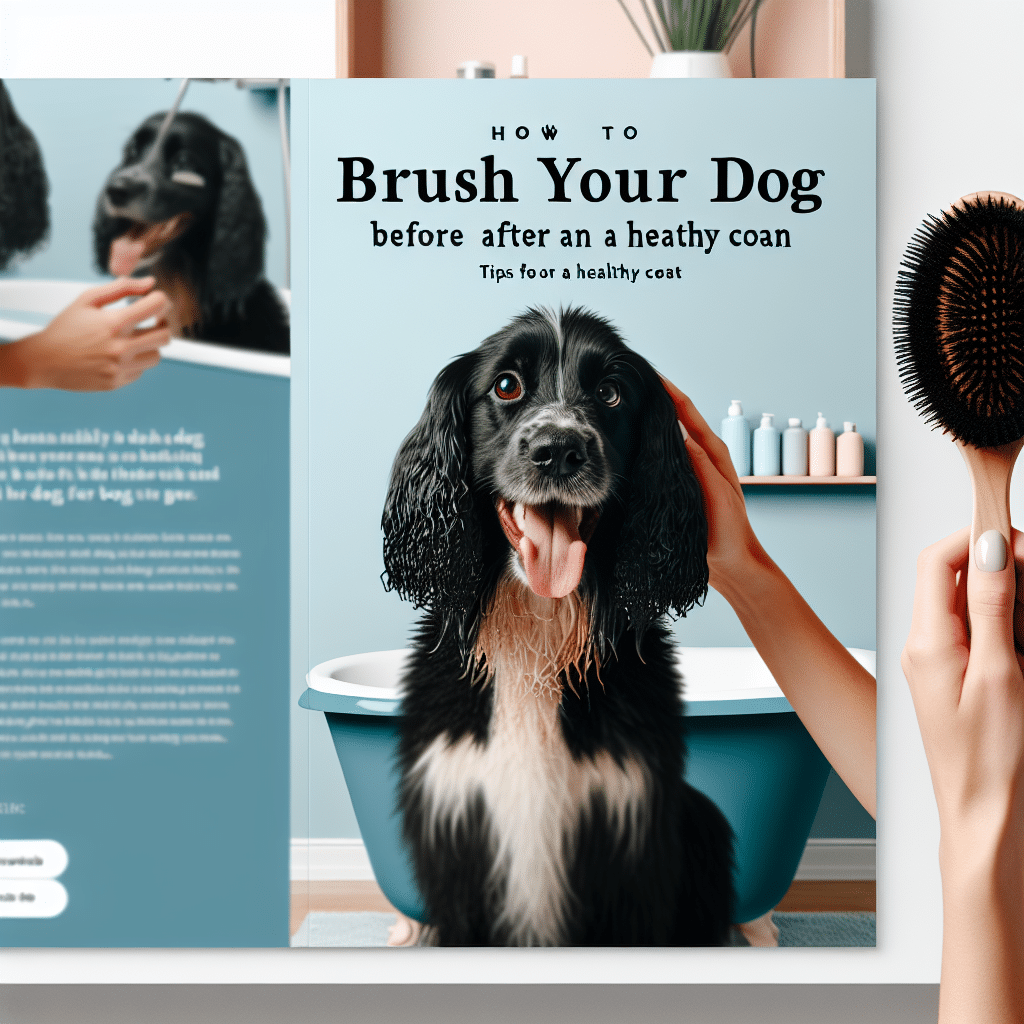
How to Brush Your Dog Before and After a Bath: Tips for a Healthy Coat
Keeping your dog’s coat healthy and shiny isn’t just about regular baths — it’s about establishing a solid grooming routine that includes proper brushing. Brushing before and after a bath can significantly improve coat health, reduce shedding, and prevent uncomfortable mats and tangles. But knowing how, when, and with what tools to brush your dog can be confusing, especially since each breed and coat type has unique needs.
In this article, we’ll walk you through the best practices for brushing your dog before a bath to loosen dirt and loose fur, and after the bath to maintain a vibrant, healthy coat. Whether you’re a new pet parent or a grooming enthusiast, these tips will help make grooming sessions more enjoyable for your furry friend and more effective for you. Proper brushing isn’t just about looking good — it’s about ensuring your dog feels comfortable, healthy, and stress-free.
Preparing Your Dog for Brushing Before Bathing
Getting your dog ready for brushing before a bath is an essential step that can make the entire grooming process smoother and more effective. A calm, relaxed mindset helps prevent stress and resistance, making it easier to handle your dog’s coat. Start by choosing a quiet, comfortable space free from distractions, and gather all your grooming tools beforehand. This preparation reduces interruptions and keeps the session calm.
Before you begin brushing, it’s a good idea to let your dog sniff and explore the tools. This helps reduce any fear or anxiety associated with grooming equipment like brushes or combs. Using treats or praise as positive reinforcement can also encourage your dog to associate brushing with a pleasant experience. If your dog is particularly anxious or unruly, consider scheduling shorter, more frequent sessions to build trust and comfort over time.
Finally, examine your dog’s coat for any visible mats, tangles, or skin issues. Addressing minor issues early can prevent discomfort during brushing and bathing. If your dog has sensitive skin, consult your veterinarian or professional groomer for recommendations on specific grooming routines or products. Preparing your dog mentally and physically ensures a stress-free start to your grooming routine and sets the stage for a thorough, gentle brushing.
Choosing the Right Brushing Tools and Techniques for Your Dog’s Coat
Selecting the appropriate grooming tools is crucial to effectively care for your dog’s coat and skin health. Different coat types—short, long, curly, or wiry—require specific brushes and combs to achieve optimal results. For example, slicker brushes are great for removing loose fur and preventing mats in long-haired breeds, while rubber curry brushes work well for short-haired or shedding breeds by loosening dirt and hair.
Understanding your dog’s unique coat type will guide your choice of tools. For instance, a pin brush is gentle and effective for fluffy coats, while a bristle brush is suitable for dogs with smooth, short fur. If your dog has thick or curly hair, a wide-tooth comb or a grooming rake might be necessary to detangle without pulling or causing discomfort. Using the wrong tools can lead to pain and even skin damage, so investing in high-quality, breed-appropriate grooming equipment is worth it.
In addition to the right tools, employing proper brushing techniques is essential. Always start at the head and work your way down, brushing in the direction of hair growth. Use gentle, consistent strokes rather than aggressive pulling, and pay extra attention to sensitive areas like behind the ears, under the chin, and around the legs. Regularly check your tools for hair buildup and clean them to maintain their effectiveness and hygiene. The right tools and techniques make grooming a safe, pleasant experience for both you and your dog.
Proper Brushing Methodology to Remove Loose Fur and Prevent Mats
Effective brushing combines gentle handling with systematic techniques that promote healthy fur and skin. Begin by dividing your dog’s coat into manageable sections, especially in long-haired or thick coats. This approach ensures you don’t miss spots and helps you focus on one area at a time. Use slow, steady strokes, always brushing in the direction of hair growth to avoid discomfort and skin irritation.
When brushing, pay special attention to areas prone to mats and tangles—underarms, behind the ears, around the collar, and under the belly. For stubborn mats, use a detangling spray and gentle patience. Never yank or pull hard on mats, as this can hurt your dog and damage the coat further. Instead, use a dematting comb or a slicker brush at a slight angle to gradually loosen and remove the tangled fur.
Removing loose fur is an ongoing process that benefits greatly from consistent, gentle brushing. Not only does this help prevent mats, but it also stimulates blood flow to the skin, promoting healthier coat growth. Regular brushing also reduces shedding by trapping loose hairs before they fall onto furniture or clothing. The key is patience; frequent, gentle brushing sessions are more effective and less stressful than infrequent, aggressive grooming. Your dog will thank you with a shiny, healthy coat and a happier grooming experience.
Post-Bath Brushing to Maintain Coat Health and Freshness
Brushing after a bath plays a vital role in maintaining your dog’s coat health and ensuring they look and feel their best. Once your dog is dry, start by gently detangling any remaining knots with a wide-tooth comb or your fingers. This helps prevent new mats from forming as the coat dries and restores smoothness to the fur. Post-bath brushing also allows you to remove any lingering loose hair, dirt, or shampoo residue that might irritate the skin.
Using a softer brush after bathing helps distribute natural oils throughout the coat, which can enhance shine and improve coat condition. It also helps to fluff and volumize the fur, giving your dog a neat, well-groomed appearance. For dogs with long or curly hair, this is the ideal time to define the coat’s natural shape, trim excess fur if needed, and check for skin issues or irritations. Regular post-bath brushing ensures your dog’s coat remains clean, healthy, and free of tangles.
Additionally, post-bath brushing offers a bonding opportunity. Petting and grooming your dog after a bath can reinforce your relationship and help them associate grooming with positive experiences. Remember to praise and reward your dog with treats or affectionate words, making grooming a pleasant routine that your dog looks forward to. Proper post-bath brushing is the final step in a comprehensive grooming regimen that keeps your dog comfortable, clean, and looking their best.
Tips for Making Brushing a Comfortable and Stress-Free Experience for Your Dog
Creating a positive grooming environment makes all the difference in ensuring your dog feels safe and relaxed during brushing. Start by choosing a calm, quiet space free from loud noises or distractions. Use a non-slip mat to prevent slipping and ensure your dog feels stable and secure. Keep grooming tools within easy reach so the process flows smoothly, reducing the time your dog spends in a potentially stressful situation.
Patience and gentle handling are key. If your dog is nervous or resistant, introduce short, frequent sessions rather than long ones. Use treats, praise, or clicker training to reward calm behavior and reinforce positive associations with grooming. Moving slowly and speaking in a soothing voice can help your dog remain relaxed throughout the process. Remember, grooming should never be rushed or forceful; patience fosters trust and cooperation.
Finally, tailor your approach to your dog’s individual preferences and needs. Some dogs prefer certain tools over others, or specific areas might be more sensitive. Pay attention to signs of discomfort or anxiety, and adjust your technique accordingly. Making grooming a pleasant, stress-free experience not only improves the health of your dog’s coat but also strengthens your bond. Consistency, kindness, and understanding turn grooming from a chore into a cherished routine for you and your furry friend.
Conclusion
Maintaining a healthy, shiny coat involves more than just a bath — it’s about establishing the right brushing routines before and after bathing. Proper preparation sets the tone for a calm grooming session, while choosing the suitable tools and techniques ensures your dog’s coat and skin stay healthy. Systematic brushing removes loose fur, prevents mats, and stimulates circulation, contributing to a vibrant, comfortable coat. Post-bath brushing maintains cleanliness, adds shine, and helps identify any skin issues early.
Creating a positive, stress-free grooming environment is essential for making brushing an enjoyable experience for your dog. Patience, gentle handling, and positive reinforcement foster trust and cooperation, transforming grooming time into a bonding opportunity. By following these tips, you’ll help your dog enjoy the benefits of a well-maintained coat — healthier fur, fewer tangles, and a happier, more relaxed furry companion.
Remember, grooming is an ongoing process that benefits both your dog’s health and your relationship. Consistency and kindness are key — so keep at it, celebrate each successful session, and enjoy the special moments of caring for your beloved pet.