


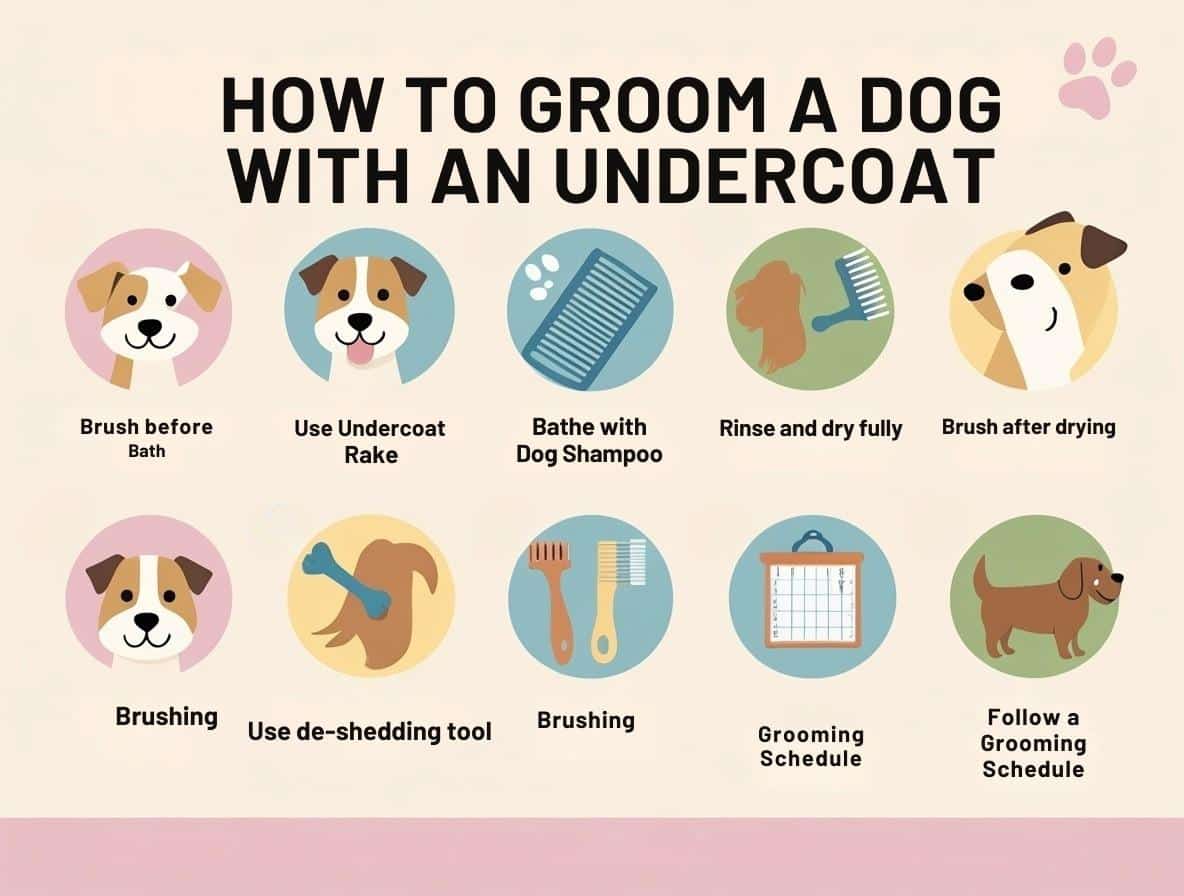
How to Brush Your Dog’s Thick Undercoat: Essential Tips for Pet Owners
Owning a dog with a thick undercoat can be incredibly rewarding—these breeds often have stunning, plush fur that stands out. However, maintaining that beautiful coat requires more than just a casual brush now and then. Regularly brushing your dog’s thick undercoat is essential for their health, comfort, and overall well-being. If neglected, an unbrushed undercoat can lead to mats, excessive shedding, skin issues, and discomfort. Whether you’re a new pet owner or someone looking to improve your grooming routine, understanding how to properly care for your dog’s dense undercoat is key. In this guide, we’ll explore the importance of undercoat brushing, how to select the right tools, step-by-step techniques, and how to establish a grooming routine that keeps your furry friend happy and healthy.
Understanding the Importance of Brushing Thick Undercoats for Dog Health
Brushing your dog’s thick undercoat isn’t just about keeping them looking good—it’s a vital aspect of their health. Dogs with dense undercoats, such as Huskies, Malamutes, or Collies, are prone to trapping dirt, debris, and loose hair within their fur. Regular brushing helps remove these particles, reducing skin irritation and preventing bacterial or fungal infections that can develop in unclean fur. Moreover, thorough grooming stimulates blood circulation, which promotes healthier skin and coat growth. It also allows you to detect early signs of skin issues, parasites, or injuries before they become serious problems.
Another critical reason for frequent undercoat brushing is managing shedding. Dogs with thick double coats tend to shed heavily, especially during seasonal changes. Without regular removal of loose hair, it can accumulate and form mats, which can pull on the skin and cause discomfort or even infections. Consistent brushing minimizes this shedding hair around your home, making cleanup easier and less overwhelming during peak shedding seasons. Moreover, a well-maintained coat contributes to your dog’s overall comfort—less itching, fewer mats, and a coat that stays healthy, shiny, and free of tangles.
Finally, grooming sessions also serve as a bonding activity that fosters trust and helps your dog become more accustomed to handling. Dogs that are used to regular, positive grooming experiences tend to be calmer and less stressed during vet visits or other grooming procedures. By understanding the importance of brushing their undercoat, owners can ensure their dog’s comfort, prevent health issues, and keep those lovely coats looking their best—all while strengthening your bond.
Selecting the Right Tools and Grooming Supplies for Undercoat Maintenance
Choosing the right grooming tools is fundamental when tackling a thick undercoat. Not all brushes are created equal, and the wrong tools can cause discomfort or damage to your dog’s skin. For dogs with dense undercoats, a slicker brush with fine, tightly packed wire pins is ideal for lifting loose hair and breaking up mats. Look for a slicker brush with a comfortable grip and flexible pins to maneuver easily around sensitive areas. Alternatively, undercoat rakes with serrated blades can be especially effective at removing the loose undercoat without pulling on the top coat or irritating the skin.
In addition to slicker brushes and undercoat rakes, grooming gloves and deshedding tools can be highly beneficial. Deshedding tools like the Furminator are designed specifically to reach deep into the undercoat and extract loose hair efficiently. These tools not only reduce shedding but also help maintain a healthy coat by preventing matting and skin problems. It’s also wise to have a sturdy comb with wide and narrow teeth for finishing touches and detangling stubborn mats. Always opt for high-quality, stainless steel tools that are gentle on your dog’s skin and durable enough to last through regular grooming sessions.
Don’t forget to have some grooming sprays or conditioners designed for dogs—these can make brushing smoother and less stressful, especially for sensitive or anxious dogs. Use a calming spray if your dog is nervous about grooming, and always ensure your tools are clean and free of rust or debris. For safety, keep a pair of scissors or grooming shears on hand for trimming any stubborn mats or loose hair around sensitive areas like the ears or paws. Investing in the right tools from the start makes the entire grooming process easier, more effective, and more enjoyable for both you and your dog.
Step-by-Step Techniques for Effective Undercoat Brushing
Brushing a thick undercoat requires patience, technique, and consistency. Start by choosing a quiet, comfortable space where your dog feels safe. Before beginning, give them a gentle massage or petting session to relax them. Use a slicker brush or undercoat rake, and always brush in the direction of hair growth to minimize discomfort. Begin with the areas that are easiest to access, like the back or shoulders, and gradually work your way toward the more sensitive or difficult areas, such as behind the ears, under the belly, and around the legs.
Divide the coat into manageable sections—working in small, circular motions can help loosen the undercoat effectively. For stubborn mats or areas with dense hair, hold the base of the hair near the skin and gently work through the section rather than pulling. Be patient; some dogs’ coats are so dense that it may take several passes in different directions to remove all loose hair. Use a deshedding tool or undercoat rake to target deep layers, applying gentle pressure without digging into the skin. Regularly check your progress and remove loose hair from the brush to maintain efficiency.
Finish each session by brushing with a comb or finishing brush to smooth out the coat and remove any remaining tangles. Reward your dog with praise, treats, or a favorite toy to reinforce a positive association with grooming. Establishing a systematic approach—such as starting from the head and working toward the tail—ensures you cover all areas evenly. Be mindful of your dog’s comfort throughout, taking breaks if needed. Over time, consistent technique leads to a healthier coat, less shedding around your home, and a calmer grooming experience for your furry friend.
Managing Shedding and Preventing Matting in Thick-Coated Dogs
Shedding is a natural process, especially for dogs with double coats, but it can be controlled with regular and thorough brushing. During shedding seasons—spring and fall—your dog’s undercoat becomes more vulnerable to falling out in larger quantities. To manage this, increase the frequency of brushing sessions, aiming for at least 2–3 times a week or even daily during peak shedding. This routine helps remove loose hair before it ends up around your house, and it prevents the undercoat from becoming tangled or matted—a common problem in thick coats.
Matting occurs when loose hair, dirt, and oils clump into tight tangles that can pull on the skin and cause irritation or infections. To prevent mats, focus on gentle but frequent detangling, especially in areas prone to tangles like behind the ears, under the collar, and around the legs. Use a de-matting comb or a slicker brush with light, consistent strokes, and never force a brush through a mat. If mats are unavoidable, carefully trim them with grooming scissors, being cautious not to cut into the skin. Regular grooming sessions coupled with preventive measures can save both you and your dog from discomfort and costly professional grooming visits.
In addition to brushing, maintaining good hygiene helps reduce shedding and matting. Bathe your dog with a mild, moisturizing dog shampoo that suits their coat type, and always dry thoroughly to prevent dampness that can contribute to tangles. Incorporate coat conditioning sprays or detangling products to ease brushing and protect the hair shaft. A healthy diet rich in omega-3 fatty acids also promotes a shiny, resilient coat that sheds less profusely. Staying consistent with these practices ensures your dog’s coat stays healthy, manageable, and free of painful mats.
Establishing a Regular Grooming Routine for Long-Term Coat Care
Creating a regular grooming routine is vital for maintaining your dog’s thick undercoat and overall coat health. Ideally, you should brush your dog at least 2–3 times per week, with increased frequency during seasonal shedding periods. Establishing a consistent schedule helps your dog become accustomed to grooming as a normal part of their care, reducing anxiety and making each session smoother. Incorporate this routine into your weekly calendar, and reward your dog for patience and cooperation with treats, praise, or playtime. Consistency is key to preventing matting, controlling shedding, and keeping your dog comfortable.
Alongside brushing, regular bathing—about once a month or as needed—helps remove dirt, oils, and loose hair, making grooming sessions more effective. Always choose a gentle, coat-specific shampoo to avoid stripping natural oils that keep the skin healthy. After bathing, thoroughly dry your dog using towels and a blow dryer set on low heat to prevent dampness, which can lead to skin issues. Incorporate routine checks of ears, paws, and nails during grooming sessions to keep your dog’s overall hygiene and health in check. This holistic approach not only maintains the coat but also ensures your dog feels cared for and comfortable.
Lastly, consider professional grooming appointments if you’re unsure about trimming or managing difficult mats. A professional groomer can help maintain your dog’s coat, teach you proper techniques, and provide a thorough grooming session tailored to your dog’s specific needs. Over time, a well-established grooming routine enhances your bond, reduces stress for your dog, and ensures their coat remains healthy, shiny, and free of discomfort. Remember, patience and consistency are the foundations of effective long-term coat care.
Conclusion
Brushing your dog’s thick undercoat is more than a grooming chore—it’s an essential activity that impacts their health, comfort, and happiness. From understanding the importance of regular grooming to selecting the right tools and techniques, every step helps prevent mats, manage shedding, and promote a healthy, beautiful coat. Establishing a consistent routine not only simplifies the process but also enriches your bond with your furry friend, making grooming a positive experience. By dedicating time and care to their undercoat, you’re ensuring your dog stays comfortable, healthy, and looking their best for years to come. So, gear up, be gentle, and enjoy those grooming sessions—they’re an investment in your dog’s well-being that truly pays off.