


How to Brush Your Matted Fur the Right Way: Tips for a Healthy Coat
Dealing with matted fur is a common challenge many pet owners face, especially those with long-haired breeds, thick coats, or pets that love to roll around outdoors. While it can be tempting to ignore mats or try quick fixes, properly grooming your pet’s matted fur is essential for their comfort, health, and overall well-being. In this article, we’ll explore the causes and risks of matted fur, how to prepare your pet and workspace, step-by-step techniques for safe detangling, choosing the right tools, and tips to maintain a tangle-free coat. Whether you’re a seasoned groomer or a new pet owner, these insights will help you ensure your furry friend’s coat stays healthy, shiny, and free of discomfort.
Understanding the Causes and Risks of Matted Fur in Pets
Matted fur occurs when loose hair, dirt, and oils become tangled and form clumps that are tightly woven into your pet’s coat. This is especially common in breeds with long, curly, or thick hair, such as Poodles, Golden Retrievers, or some terriers. Factors like insufficient grooming, irregular brushing, or outdoor activities can accelerate mat formation. Understanding these causes helps you stay proactive about your pet’s coat health.
The risks associated with matted fur go beyond mere appearance. Severe mats can pull on the skin, causing discomfort, pain, or even skin infections. They trap dirt, debris, and moisture close to the skin, increasing the risk of bacterial or fungal infections that can lead to irritation or hot spots. In extreme cases, mats can restrict airflow and trap pests like fleas or ticks, making regular grooming even more critical. Recognizing early signs of matting and acting promptly can prevent discomfort and health complications down the line.
Another important consideration is that matted fur can hide underlying health issues. For example, skin irritations or parasites might be concealed beneath thick mats, delaying diagnosis and treatment. Additionally, pets with sensitive skin may experience increased itching or scratching due to mats pulling on the skin or trapping allergens. Regular grooming routines not only help prevent mats but also facilitate early detection of other health concerns, ensuring your pet remains comfortable and happy.
Preparing Your Pet and Workspace for Safe and Effective Brushing
Before diving into grooming, preparation is key to making the experience safe and stress-free for both you and your pet. Start by choosing a calm, well-lit area where your pet feels comfortable, free from distractions. Having all your grooming tools ready and within reach minimizes fussing and allows you to focus on the task without interruptions. Make sure your workspace is clean and free of clutter to prevent accidents or injuries.
Next, ensure your pet is in a relaxed state before beginning. A calm pet is easier to handle and less likely to resist the grooming process. You can achieve this by giving gentle cuddles, offering treats, or playing to help your pet associate grooming with positive experiences. If your pet is particularly anxious or resistant, consider enlisting the help of a friend or professional groomer, or using calming sprays or pheromone diffusers designed to reduce stress. Always check your pet’s skin for any wounds, redness, or irritation before starting; if any issues are present, consult your veterinarian for appropriate care.
Finally, choose a comfortable grooming position that gives you good access to your pet’s coat while keeping them secure. For smaller pets, placing them on a sturdy table or grooming mat can help; for larger animals, grooming on the floor or in a grooming tub with non-slip mats may be better. Remember to take your time and proceed patiently — rushing can cause discomfort or injury, especially when working with matted fur. Patience and calmness are your best allies in achieving a healthy, mat-free coat.
Step-by-Step Techniques for Detangling and Removing Mats Without Causing Discomfort
Gently detangling matted fur requires patience, the right technique, and the right tools. Begin by inspecting the coat to identify the severity and location of the mats. Light mats near the surface are easier to work through, while deeper, tight mats may require more careful handling. Always start from the tips of the hair and work your way toward the skin, using slow, gentle motions to minimize pain and discomfort.
The first step is to carefully loosen the mats with a wide-tooth comb or a slicker brush designed for dematting. Hold the fur close to the skin to prevent pulling and work in small sections, gradually detangling the hair. For stubborn mats, applying a detangling spray or conditioner formulated for pets can help loosen the fibers. These products reduce friction and make brushing smoother, especially in thick or curly coats. If a mat is too tight or painful to comb out, do not force it — instead, gently cut the mat with blunt-tip scissors, taking care not to cut the skin. Always have a firm grip on your pet to prevent sudden movements.
When working with mats near sensitive areas like the face, ears, or genitals, exercise extra caution. Use a gentle touch and smaller tools like thinning shears or grooming scissors, and work slowly. If your pet is resisting or shows signs of pain, take a break and try again later, or consider seeking professional grooming help. Remember, the goal is to remove mats without causing stress or injury, so patience and gentle handling are key. After removing the mats, give your pet praise and treats to reinforce positive associations with grooming.
Choosing the Right Tools and Products for Matted Fur Care
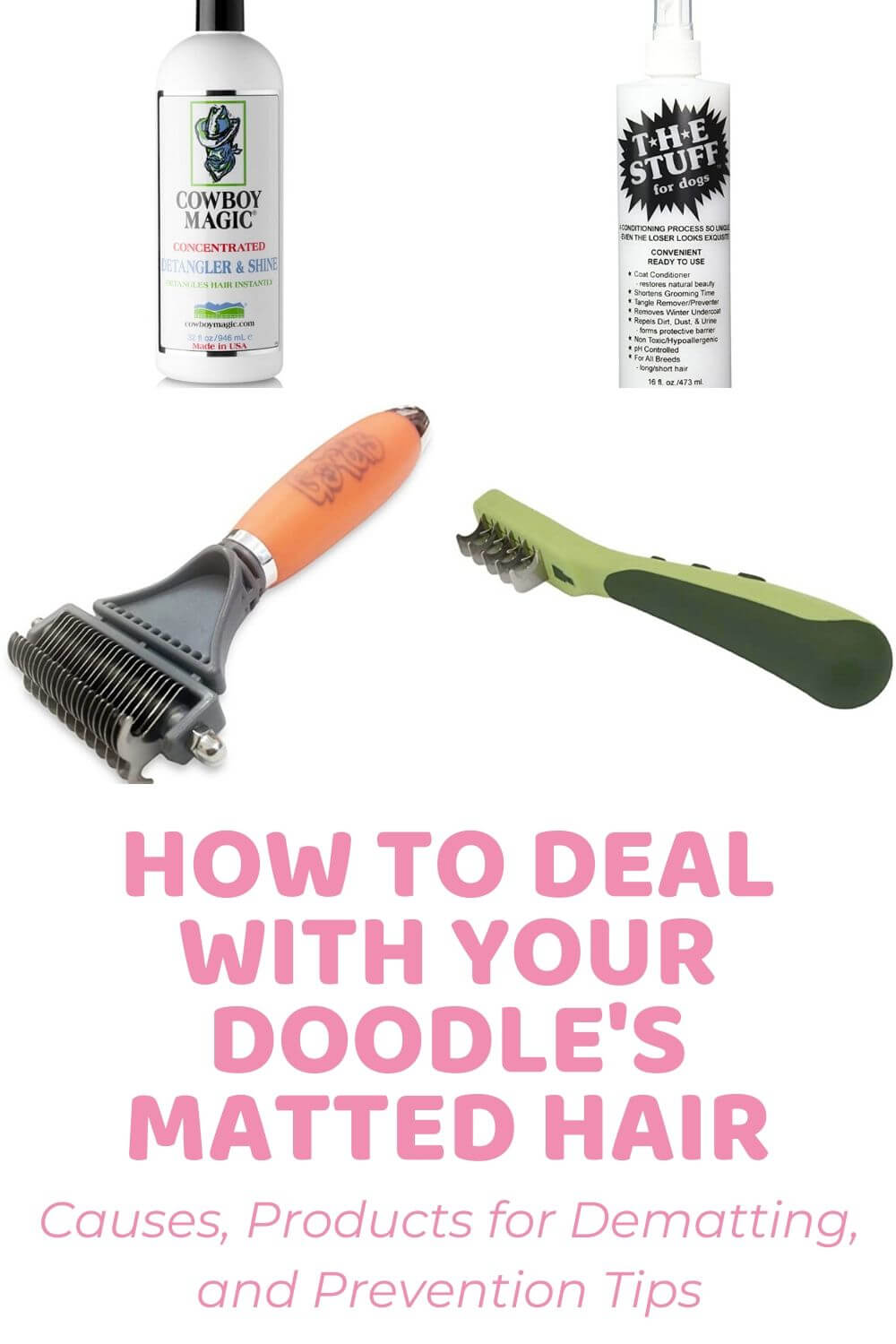
The foundation of effective dematting begins with selecting the appropriate grooming tools and products. For mild mats or regular maintenance, a slicker brush or pin brush can be sufficient to remove loose fur and prevent tangles. For more severe mats, a dematting comb with sharp, fine teeth designed specifically for detangling can make the process easier and less painful. These tools help work through knots gradually without pulling excessively on the hair or skin.
In addition to brushes and combs, detangling sprays or conditioners are invaluable. Look for products formulated for pets that contain natural oils or conditioners, which help loosen mats while nourishing the coat. Applying these before brushing can significantly reduce discomfort and reduce the risk of breaking or damaging the hair. For stubborn mats, a dematting spray with natural deshedding ingredients can soften the fibers and make detangling easier. Always read the product labels carefully and consult your veterinarian or groomer if unsure which products are safe for your pet’s breed or skin type.
Safety is paramount when choosing grooming tools—ensure blades and teeth are sharp enough to cut through mats without pulling excessively, but not so sharp as to cut your pet’s skin. Investing in high-quality tools, even if they cost a bit more, can make a big difference in the grooming experience. Remember to regularly clean your tools to prevent bacterial buildup and keep them in good condition. Using the right products and tools tailored to your pet’s coat type can turn a stressful task into a manageable, even enjoyable, routine.
Tips for Maintaining a Tangle-Free Coat and Preventing Future Mats
Prevention is always better than cure when it comes to matted fur. Establishing a consistent grooming routine — ideally daily or every few days — helps keep loose hair, dirt, and tangles in check. Regular brushing distributes natural oils across your pet’s coat, enhancing shine and health, while also catching developing mats early before they become problematic. Incorporate gentle brushing techniques and positive reinforcement to make grooming a pleasant experience for your pet.
Another effective strategy is to schedule professional grooming sessions periodically, especially for breeds prone to matting. Professional groomers have specialized tools and techniques for maintaining coats and can trim areas prone to mat formation, such as behind the ears, under the collar, or around the legs. Using breed-specific grooming products like conditioners and sprays can further help prevent tangles by keeping the coat smooth and manageable. Additionally, maintaining a clean living environment and regularly bathing your pet with a suitable shampoo helps remove dirt and excess oils that contribute to mat formation.
Finally, pay attention to your pet’s lifestyle and environment. Pets that spend a lot of time outdoors or engage in activities like swimming or rolling in grass and dirt may need more frequent grooming. Keeping their bedding and living areas clean reduces dirt and debris that can get caught in the fur. Adjust grooming frequency based on your pet’s coat type, activity level, and health status. Consistent maintenance, combined with a gentle, patient approach, ensures your pet remains comfortable, healthy, and free of painful mats.
Conclusion
Brushing your pet’s matted fur the right way requires understanding, patience, and the right tools. By recognizing the causes and risks of mats, preparing your pet and workspace thoughtfully, employing gentle and effective detangling techniques, and choosing quality grooming products, you can make the process safer and more enjoyable for your furry friend. Preventive care through regular grooming, proper coat maintenance, and professional trims can significantly reduce the likelihood of future mats and promote a healthy, shiny coat. Remember, a well-maintained coat isn’t just about appearance — it’s a vital part of your pet’s overall health and happiness. Start incorporating these tips into your grooming routine today and enjoy the bond that comes with caring for your pet’s coat with love and expertise.