


How to Calm a Dog That Growls During Bath Time: Tips & Tricks
Bath time can be a stressful experience for many dogs and their owners. While some pups enjoy a splash and rub, others see bath time as a source of fear, anxiety, or even frustration. If your dog growls during bath time, it’s essential to understand that this behavior is often rooted in discomfort or fear rather than aggression. Recognizing the reasons behind your dog’s growling and applying calming techniques can make bath time safer, more manageable, and even more pleasant for everyone involved. In this article, we’ll explore why dogs growl during baths, how to identify stress signals, and practical strategies to create a positive bathing experience.
Understanding Why Dogs Growl During Bath Time
Growling is a natural form of communication for dogs; it signals discomfort, fear, or a desire for boundaries to be respected. During bath time, many dogs growl because they associate the experience with something unpleasant or frightening—such as being restrained, cold water, or unfamiliar sensations. It’s important to understand that growling doesn’t necessarily mean a dog is aggressive; instead, it often reflects their attempt to communicate their distress or to warn you to back off. Recognizing this can help owners approach bath time with empathy rather than punishment.
Additionally, some dogs develop negative associations with bathing based on past experiences. For example, if a dog was forcibly bathed in the past or had a rough handling, they might panic when placed in water or restrained. Breed temperament also plays a role; anxious or sensitive breeds may be more prone to growling during baths. Understanding your dog’s individual history and personality can help tailor your approach, making bath time less stressful and reducing the likelihood of growling as a defensive response.
Another contributing factor is a dog’s general anxiety or fear of water. Some pups are naturally water-averse due to past trauma or simply because they’ve never been introduced gradually. Recognizing these underlying causes allows you to implement targeted strategies, such as desensitization or creating a more controlled environment, to help your dog feel more secure. Remember, patience and compassion are key—your goal is to build trust, not force compliance.
Recognizing Signs of Stress and Discomfort in Your Dog
Before a dog begins to growl, they often display subtle signs of stress or discomfort that owners can learn to spot. These signs serve as early warning indicators that your dog may be feeling overwhelmed or scared during bath time. Common signals include lip licking, yawning, avoiding eye contact, trembling, tucked tail, pinned ears, or attempting to escape. Paying close attention to these cues allows you to intervene before the situation escalates into growling or biting.
Understanding these signs also helps you gauge your dog’s readiness for further handling or exposure. For example, if your dog starts trembling or tries to back away when water is introduced, it’s wise to pause and reassess the situation. Forcing a bath when your dog is visibly distressed can reinforce negative associations and make future baths more challenging. Instead, aim to proceed gradually, respecting your dog’s comfort level to foster a sense of safety and control.
It’s equally important to observe your dog’s overall body language during bath time. Tense muscles, stiff posture, or a rigid stance are signs of heightened stress. Conversely, relaxed ears and a loose body indicate comfort. By becoming familiar with your dog’s individual signals, you can tailor your approach—pausing when signs of distress appear, offering reassurance, and rewarding calm behavior. This attentive approach not only reduces growling but also helps your dog associate bath time with positive experiences.
Techniques for Creating a Calm and Positive Bathing Environment
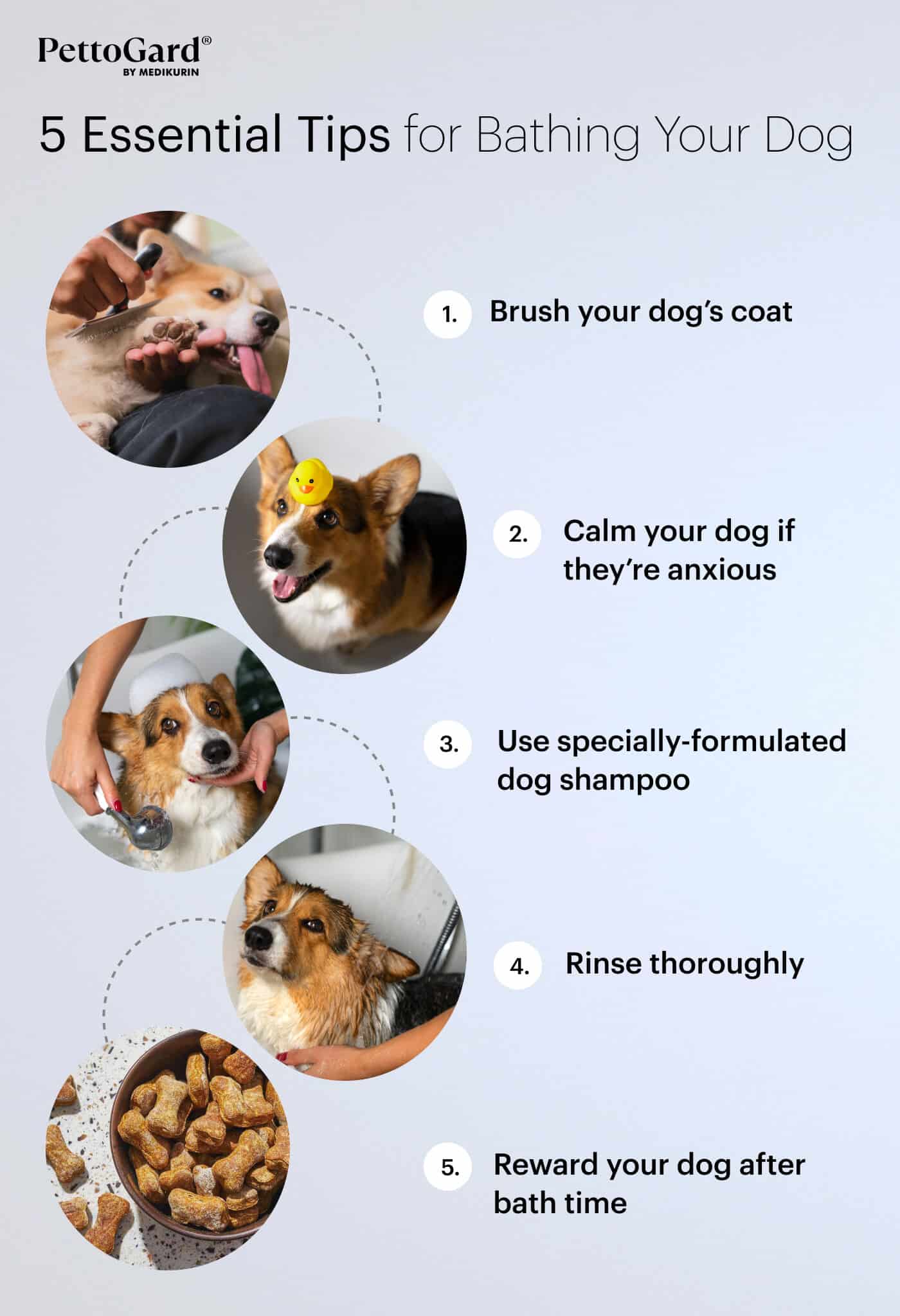
Transforming bath time into a positive experience begins with creating a calming environment that minimizes stress triggers. Start by choosing a quiet, warm, and clutter-free space to bathe your dog, free from loud noises or sudden movements that could heighten anxiety. Using a non-slip mat can help your dog feel more secure and prevent slipping, which can be frightening. Additionally, keeping all bathing supplies within easy reach prevents you from rushing around, helping the process stay relaxed and controlled.
Incorporating calming aids can significantly improve the bathing experience. Aromatherapy with dog-safe calming sprays or diffusers may reduce anxiety, while soft background music can drown out startling noises. Using a gentle, reassuring voice throughout the process helps your dog feel safe and supported. It’s also wise to keep the water lukewarm—not too hot or cold—as temperature extremes can cause discomfort or shock, prompting defensive behavior.
Finally, consider the timing and frequency of baths. Overbathing can strip natural oils from your dog’s coat, leading to dry skin and additional discomfort. Establish a regular, but not excessive, bathing schedule and stick to it. Make sure your dog is well-exercised and mentally stimulated before bath time, as a tired dog is often less reactive. By establishing a calm atmosphere and using gentle handling, you can reduce fear and growling, making bath time a more pleasant routine for your furry friend.
Gradual Desensitization and Counter-Conditioning Strategies
Implementing gradual desensitization and counter-conditioning techniques can transform bath time from a feared ordeal into a positive experience. Start by introducing your dog to the bathing environment without actually getting wet. Allow them to explore the bathroom or bathing area at their own pace, offering treats and praise for calm behavior. This helps create a sense of familiarity and reduces the novelty and fear associated with the space.
Next, work on desensitizing your dog to specific bathing stimuli, such as water, brushes, or grooming tools. For example, you can begin by gently pouring small amounts of water on your dog’s paws or back while offering treats and praise. Gradually increase the amount of water used in short, positive sessions, always rewarding calm behavior. This slow, step-by-step process helps your dog associate water with positive experiences rather than fear or discomfort.
Counter-conditioning involves pairing previously stressful stimuli with something your dog loves, like treats or play. For example, if your dog fears the sound of running water, give them a treat each time you turn the tap on, gradually increasing exposure as they become more comfortable. Over time, these techniques help reprogram your dog’s emotional response, reducing growling and defensive behaviors. Consistency, patience, and positive reinforcement are key to successfully implementing these strategies and making bath time a manageable, even enjoyable, activity.
Managing Growling During Bath Time and Ensuring Safety
While aiming to calm your dog during bath time, it’s crucial to prioritize safety—for both your pet and yourself. If your dog growls or shows signs of aggression, avoid punishing or yelling, as this can escalate fears and lead to unpredictable behavior. Instead, calmly pause the process, give your dog space, and reassess their comfort level. Using a leash or harness can help control movement without causing additional stress; always ensure you have a firm but gentle grip to prevent sudden escapes or injuries.
When managing growling, it’s important to recognize that your response can influence future behavior. If your dog growls and you respond with anger or punishment, it may reinforce their fear or mistrust. Instead, focus on positive reinforcement—reward calm behavior with treats, praise, or affection—and remove yourself from the situation if your dog becomes too distressed. This approach helps your dog associate bath time with safety and positive outcomes, gradually reducing the occurrence of growling.
If your dog’s growling escalates to biting or aggressive attempts to escape, it’s wise to seek professional help. Consult with a certified dog trainer or behaviorist who can assess your dog’s specific needs and develop a tailored plan. Remember, patience and compassion are essential; forcing a dog into a bath or punishing growling only worsens the problem. With consistent, gentle handling, and a focus on creating positive associations, you can help your dog feel more secure and reduce growling during bath time over time.
Conclusion
Bath time doesn’t have to be a battle—by understanding why dogs growl, recognizing stress signals, and creating a calm environment, you can make the experience safer and more enjoyable for your furry friend. Techniques like gradual desensitization and counter-conditioning, paired with positive reinforcement, can significantly reduce anxiety and defensive behaviors. Always prioritize safety by avoiding punishment and respecting your dog’s cues, and consider professional guidance if aggressive behavior persists. With patience, consistency, and compassion, you can transform bath time into a bonding experience that builds trust and comfort. Remember, every dog is unique, and with the right approach, even the most anxious pups can learn to tolerate, or even enjoy, their baths.