


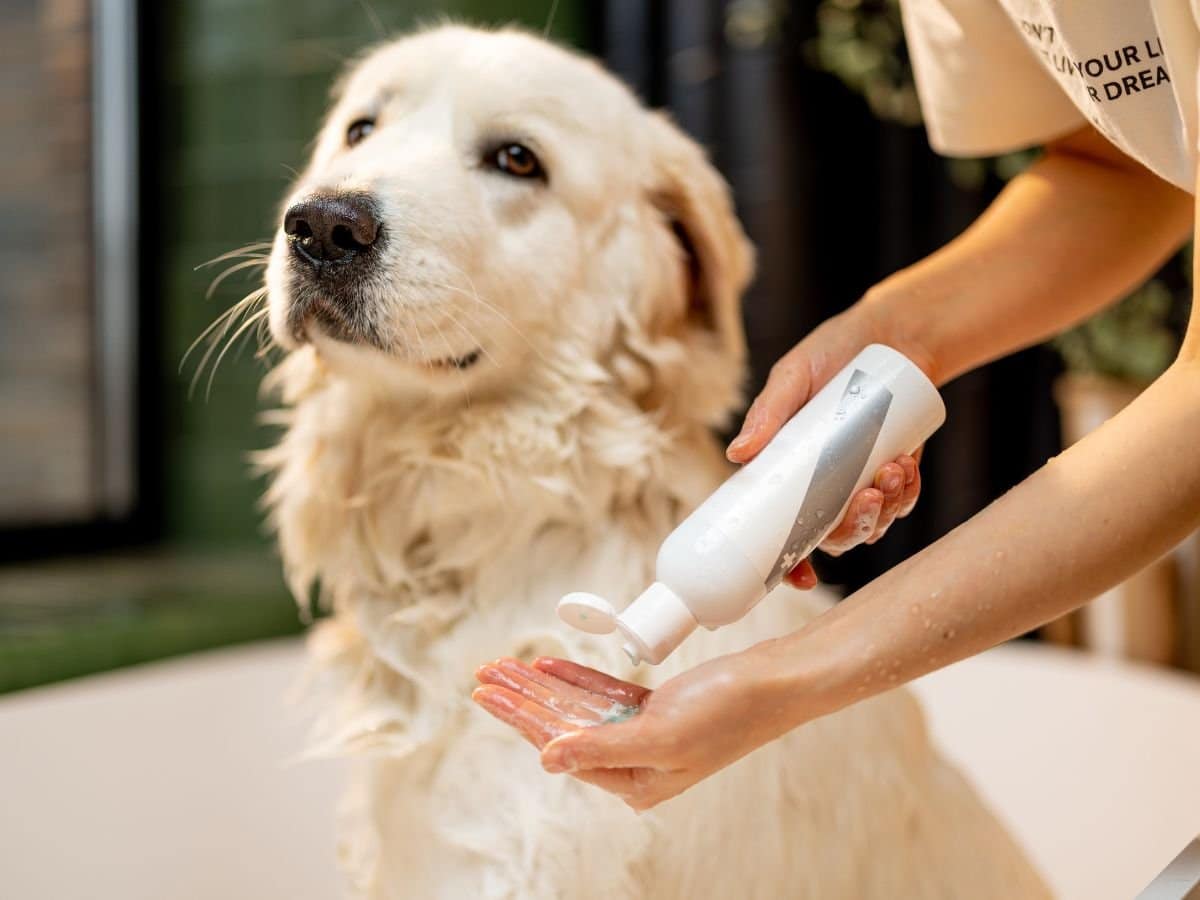
How to Calm a Shaky Dog During Bath Time: Tips for a Stress-Free Bath
Bath time should be a routine that keeps your dog clean and healthy, but for many pups, it can be a source of anxiety and stress. Dogs often shake during baths, not just because they dislike water, but also due to fear, discomfort, or unfamiliar surroundings. If your furry friend trembles at the mere mention of bath time, you’re not alone. The good news is that with the right understanding and some strategic steps, you can help your dog relax and even enjoy bath time. This article will guide you through understanding why dogs shake during baths, how to prepare your dog for a calmer experience, effective calming techniques, creating a soothing environment, and post-bath tips to reinforce positive associations. Whether your dog is naturally anxious or just a little uneasy, these insights will help make bath time less stressful for both of you.
Understanding Why Dogs Shake During Baths and Common Triggers
Many dog owners notice their pets trembling or shaking during baths, which can be heartbreaking and frustrating. The first step in easing your dog’s stress is understanding the root causes behind their shaking. Fear and anxiety are the most common triggers. Dogs are sensitive to unfamiliar environments, loud noises, and the sensation of water – all of which can cause fear responses. For some dogs, the sound of running water or the feeling of being restrained can trigger a panic response that manifests as trembling or shivering.
Apart from emotional triggers, physical discomfort or health issues can also cause shaking during bath time. Dogs with joint pain, skin conditions, or underlying medical problems might associate bathing with discomfort, leading to heightened anxiety. Additionally, temperature extremes—either water that’s too cold or too hot—can cause involuntary shivering. It’s essential to observe your dog’s overall health and consult a veterinarian if you notice persistent trembling outside bath time, as this could indicate an underlying issue.
Finally, past negative experiences profoundly influence a dog’s reaction to baths. If your dog has been mishandled or forced into bath time without positive reinforcement, they may develop a conditioned fear response. This is especially true for rescue dogs or those who have had traumatic experiences with water. Recognizing these triggers allows you to tailor your approach, making the experience safer and more positive, ultimately reducing their tendency to shake during baths.
Preparing Your Dog for a Calm Bath Experience
Preparation is key to transforming bath time from a stressful ordeal into a manageable routine. Start by desensitizing your dog to the bathing process. Gradually introduce your dog to water in a non-threatening setting—perhaps by using a damp cloth or sprinkling water gently on their paws—to build comfort over time. Pair these sessions with praise and treats so your dog begins to associate water with positive experiences. For example, gradually pour a small amount of water while offering high-value treats, moving slowly and calmly to prevent startling them.
Creating a consistent routine can also significantly reduce anxiety. Dogs thrive on predictability, so establishing a regular schedule for baths helps them know what to expect. Use calming cues such as a specific command or phrase every time you prepare for bath time, associating these words with positive reinforcement. Additionally, ensure your dog is in a relaxed state before starting—avoid bathing right after vigorous exercise or when your dog is overly tired or hungry, as these states can heighten stress.
Furthermore, gather all necessary supplies beforehand—shampoos, towels, brushes, and a non-slip mat—to avoid scrambling during bath time. Using a non-slip mat inside the tub or sink provides stability, making your dog feel more secure. If your dog is particularly anxious, consider using calming products like dog-safe pheromone sprays or calming treats. Proper preparation minimizes surprises and creates a more controlled environment, setting the stage for a calmer, less stressful bath.
Techniques to Soothe and Calm an Anxious or Shaking Dog During Bath Time
During the bath, your goal is to provide a sense of security and comfort. Use calm, gentle handling—speak softly, move slowly, and avoid sudden movements that might frighten your dog further. Sometimes, simply maintaining a relaxed demeanor can influence your dog’s emotional state. Offering gentle strokes and reassuring words can help ease their nerves, as dogs are highly perceptive to your mood and tone.
Distraction and positive reinforcement are powerful tools in calming a shaking dog. Engage your dog with a favorite toy or treat-dispensing puzzle toy to divert their attention away from the water and bathing process. Use treats to reward calm behavior, such as standing still or accepting water on their paws. This not only makes the experience more positive but also gradually builds their confidence during future baths. If your dog begins to tremble or show signs of distress, stop and pause, then resume only when they settle down. Patience is crucial.
Another effective technique involves using calming aids, such as dog-safe pheromone diffusers or sprays that emit relaxing scents. These can reduce anxiety levels significantly, especially when paired with a soothing voice or gentle massage. Additionally, some owners find that playing calming music or white noise during bath time helps drown out alarming sounds and creates a tranquil atmosphere. Consistently applying these techniques will help your dog associate bath time with comfort and reassurance rather than fear.
Creating a Relaxing Bath Environment to Reduce Stress and Shaking
The environment plays a fundamental role in your dog’s stress levels during bath time. Creating a calm, inviting space can make a huge difference. Start by choosing a quiet, familiar area—such as a bathroom or utility room—that your dog associates with safety. Minimize noise and sudden movements in the vicinity, and consider dimming the lights or playing soft music to promote relaxation. Using a non-slip mat inside the tub or sink can prevent slips and falls, giving your dog a sense of stability and confidence.
Temperature control is equally important. Use lukewarm water, which is comfortable and non-threatening. Water that’s too cold or hot can increase discomfort and trembling. Before starting, test the water temperature with your wrist or elbow to ensure it’s gentle. Keep the water level shallow enough to avoid overwhelming your dog but sufficient to wash and rinse effectively. Additionally, having all your supplies within arm’s reach minimizes disruptions during bath time, helping maintain a calm and steady process.
Personalizing the environment with familiar smells or objects can also help your dog feel at ease. For instance, using a familiar towel or blanket nearby, or incorporating a favorite toy, can provide comfort. Avoid loud noises, harsh sprays, or abrupt movements that might spike your dog’s stress levels. A well-thought-out, peaceful environment fosters a sense of safety, greatly reducing their tendency to shake and making bath time a more positive experience.
Post-Bath Comfort Tips to Reinforce Positive Associations and Calmness
Once the bath is over, your next goal is to reinforce positive feelings and help your dog transition into a calm, relaxed state. Immediately towel-dry your dog gently while speaking in soothing tones. Use soft, slow strokes to comfort them, and reward their calm behavior with praise or treats. This positive reinforcement helps your dog associate the end of bath time with rewards and comfort, reducing future anxiety.
Offering a cozy space for your dog to rest after bathing is also beneficial. A warm, comfortable bed or blanket provides physical comfort and security, helping your dog relax and recover from any residual stress. If your dog tolerates it, a gentle massage can release tension and promote relaxation. Incorporate calming scents such as lavender or chamomile in the area—just ensure they are pet-safe—to help reinforce a tranquil environment. These steps can turn post-bath time into an opportunity for bonding and positive reinforcement.
Finally, consider establishing a routine to follow each bath that emphasizes calmness and reward. For example, after drying, take your dog for a leisurely walk or engage in gentle play—activities that foster positive feelings. Consistency in post-bath handling and positive associations can diminish fear over time, making future baths less stressful. Remember, patience and gentle encouragement are key—your calm demeanor can influence your dog’s emotional response, helping them view bath time as a safe, manageable part of their routine.
Conclusion
Bath time doesn’t have to be a battle with your anxious or trembling dog. By understanding the underlying reasons behind their shaking—whether fear, discomfort, or past trauma—you can tailor your approach to better meet their needs. Proper preparation, creating a soothing environment, and employing calming techniques during the bath can significantly reduce stress and help your dog feel safe and secure. Post-bath strategies, including positive reinforcement and comfort, reinforce good associations, making future baths easier and more pleasant. Remember, patience, consistency, and gentle handling are your best tools. With time and effort, you can turn bath time into a calming experience that strengthens the bond between you and your furry friend, ensuring both of you stay happy and healthy.