


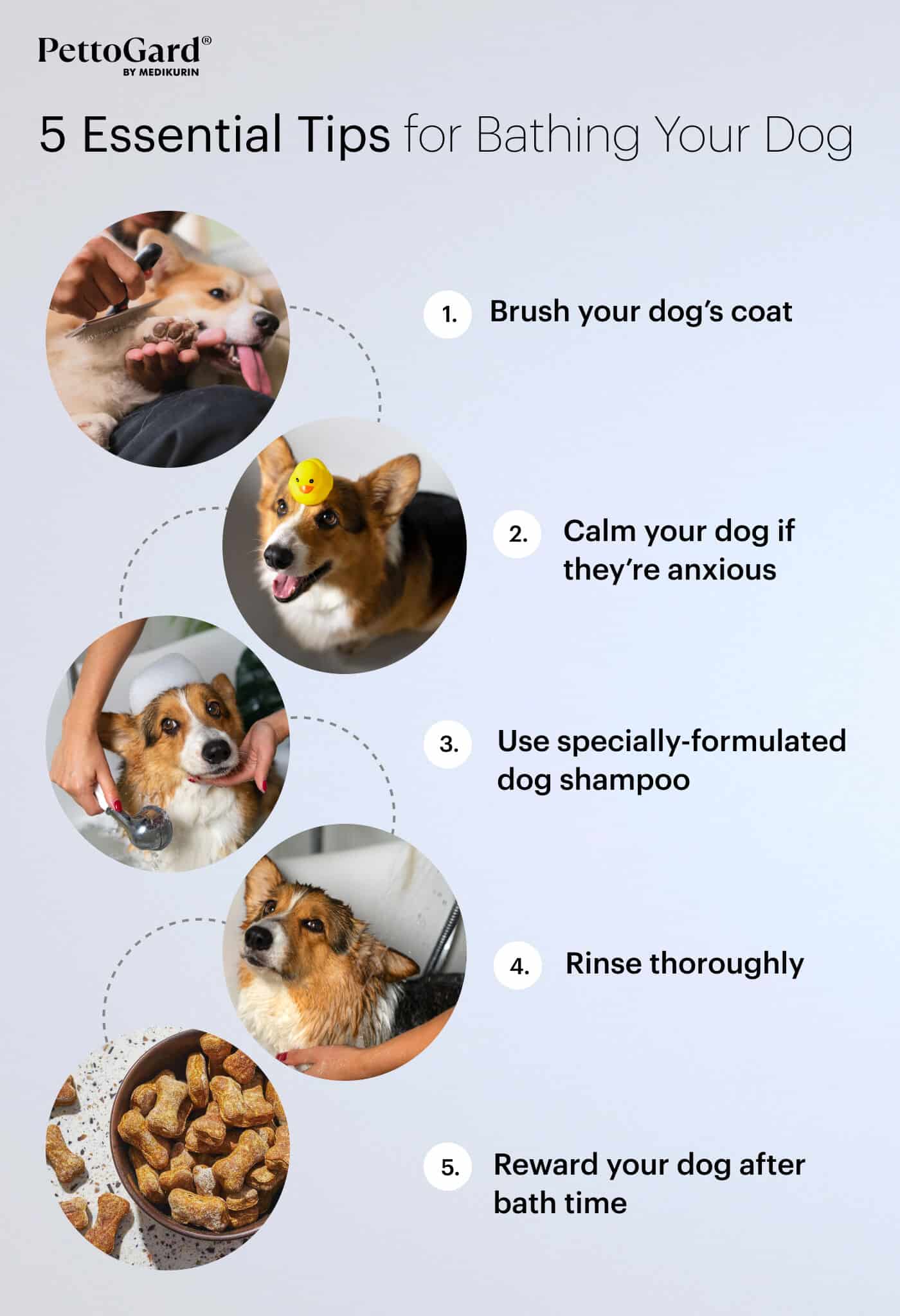
How to Calm Your Dog Before and During a Bath: Tips for a Stress-Free Experience
Bath time can be a challenging experience for many dogs—and their owners. While some pups happily splash around, others may become visibly anxious, nervous, or downright terrified. The key to transforming bath time from a stressful ordeal into a more pleasant, even enjoyable, experience lies in understanding your dog’s natural stress responses, preparing them adequately, and employing calming techniques before, during, and after the bath. This article provides a comprehensive guide to help you create a calm, safe, and positive bathing environment for your furry friend, ensuring both you and your dog enjoy this routine without unnecessary anxiety.
Understanding Your Dog’s Stress Responses During Bath Time
Every dog is unique, and their reactions during bath time can vary greatly depending on their breed, past experiences, temperament, and individual sensitivities. Recognizing the signs that your dog is feeling stressed is the first step toward helping them feel more secure. Common stress responses include lip licking, yawning, trembling, avoiding eye contact, vocalizing, trying to escape, or flattening their ears. These signals indicate discomfort or anxiety, and ignoring them can deepen your dog’s negative association with the bath.
It’s also important to understand that some dogs have innate fears related to water, loud noises (like running water or the sprayer), or confinement. These fears can trigger physiological stress responses such as increased heart rate, panting, or even drooling. By observing your dog’s body language, you can better gauge their emotional state and intervene early with calming strategies. Additionally, knowing that stress during baths isn’t necessarily about cleanliness but about emotional security can help you approach the situation more empathetically.
Understanding your dog’s stress responses isn’t just about identifying discomfort — it also helps you tailor your approach to minimize anxiety. For example, if your dog tends to tremble and pant when frightened, you may want to introduce calming techniques that lower their heart rate and promote relaxation. Recognizing these cues allows you to act proactively, making bath time a more positive experience over time. Remember, patience and empathy are key; forcing a dog into an uncomfortable situation can reinforce negative feelings and make future baths even harder.
Preparing Your Dog for a Calm and Comfortable Bath Experience
Preparation is everything when it comes to reducing your dog’s stress during bath time. Creating a familiar, calm environment can help ease your dog’s nerves before the first splash. Start by selecting a quiet space where there are minimal distractions, and gather all necessary supplies—dog shampoo, towels, a non-slip mat, and grooming tools—in advance. Introducing these items gradually and positively can build your dog’s confidence, making the upcoming bath less intimidating.
Acclimating your dog to the bathing environment days before the scheduled bath can significantly reduce anxiety. For example, you might leave the tub or bathing area out in the open with toys or treats, encouraging your dog to explore it at their own pace. Practice gentle handling, like touching their paws, ears, and tail, so they become accustomed to being touched in ways that might be necessary during bathing. Using treats and praise during these sessions reinforces positive associations with the space and the handling involved.
It’s also helpful to establish a consistent routine around bath time to provide predictability. Dogs thrive on routine, and knowing what to expect can diminish their fears. For instance, brushing, playing, and then a calm cuddle session before the bath can turn the experience into a positive, bonding activity. If your dog has a history of severe anxiety, consulting a professional trainer or veterinarian about calming supplements or anxiety wraps might be beneficial. Proper preparation sets a foundation for a more relaxed and stress-free bath experience.
Techniques to Soothe and Reassure Your Dog Before the Bath
Before starting the actual bath, taking time to soothe and reassure your dog can make a noticeable difference in their emotional state. Gentle, calm interactions are key; speak in a soft, reassuring voice to convey safety and love. Petting, stroking, or massaging your dog can help relax tense muscles and reduce feelings of apprehension. Pay attention to your own body language—standing or kneeling calmly can be more comforting than leaning over anxiously, which might heighten your dog’s stress.
Using calming aids can also be effective in preparing your dog for bath time. Products like pheromone sprays, calming music, or herbal supplements (after consulting with your vet) can create a soothing environment. For some dogs, wearing a snug-fitting anxiety wrap or calming vest can provide a sense of security. Additionally, offering a favorite treat or toy during this pre-bath period can serve as a distraction and create positive associations. The goal is to keep your dog relaxed and focused on pleasant experiences rather than the upcoming bath.
Another helpful technique is gradual desensitization. Instead of immediately jumping into a full bath, introduce your dog to the process in small, manageable steps. For example, start with just getting their feet wet, then dry them off and give praise or treats. Repeat these steps regularly, gradually increasing exposure, so your dog becomes familiar and comfortable with each stage. Consistent, gentle reassurance not only calms your dog but also fosters trust, making the entire bathing process smoother and less stressful.
Methods to Keep Your Dog Calm During the Bath
During the actual bath, maintaining a calm and controlled environment is vital. Keep your voice soothing and encouraging, and avoid sudden movements or loud noises that could startle your dog. Using a non-slip mat in the tub helps your dog feel secure and prevents slipping, which can cause anxiety. When rinsing or applying shampoo, proceed slowly and gently, ensuring the water pressure isn’t too harsh—a gentle spray from the handheld shower or a cup of warm water can be more tolerable than a forceful stream.
Distracting your dog with their favorite toy or offering treats during the bath can help divert their attention and reduce stress. For example, you might give them a treat or a puzzle toy to focus on while you wash delicate areas like their face or paws. Keep the bath as brief as possible while still thoroughly cleaning, as prolonged exposure can heighten anxiety. If your dog starts to show signs of distress, pause and give them a moment to settle before proceeding, always prioritizing their comfort.
Employing calming techniques during the bath can significantly influence your dog’s experience. Gentle massage, soft talking, and maintaining a relaxed demeanor are powerful tools—dogs pick up on your energy. Some owners find that playing soft, calming music in the background helps soothe their pets. For particularly anxious dogs, consider using calming pheromone products or natural remedies recommended by your veterinarian. Remember, patience and consistency are crucial; over time, your dog will learn that bath time is manageable and even a part of their routine to look forward to with positive reinforcement.
Post-Bath Relaxation Strategies to Reduce Anxiety and Reinforce Positive Associations
Once the bath is complete, your work isn’t finished. The post-bath period is an excellent opportunity to reinforce positive associations and help your dog relax fully. Immediately after the bath, dry your dog thoroughly with a soft towel or a blow dryer set on low, praising them throughout. Offering treats, cuddles, or a favorite toy can help your dog associate the end of the bath with pleasant experiences. Providing a cozy space, like a bed or blanket, encourages them to settle down and relax after the ordeal.
Further relaxation strategies include giving your dog gentle massage or petting to help lower cortisol levels and promote feelings of safety and comfort. Using a calming spray or diffuser with dog-appropriate pheromones can extend the sense of security beyond bath time. Engaging in calming activities like quiet play or cuddling also helps solidify positive feelings about the experience, making future baths easier. Remember, consistency and patience are key—over time, your dog will associate bath time with a safe, soothing routine rather than a stressful event.
Finally, consider incorporating training that emphasizes calm behavior after baths, rewarding your dog for lying down, remaining relaxed, or accepting handling without resistance. Reinforcing calm behavior not only helps during future baths but also improves overall obedience and trust. If your dog continues to show signs of anxiety post-bath, consulting a professional trainer or veterinarian can provide additional strategies tailored to your pet’s needs. Overall, a calm and positive post-bath routine can transform bath time from a source of stress into an opportunity for bonding and trust-building.
Conclusion
Bath time doesn’t have to be a stressful experience for you or your dog. By understanding your dog’s stress responses, preparing them thoughtfully, and employing calming techniques before, during, and after the bath, you can create a more positive and less anxious environment. Remember, patience, consistency, and gentle reassurance are your most valuable tools in making your dog feel safe and secure. Over time, these strategies will help your pup associate bath time with comfort and care, turning a once dreaded routine into a bonding opportunity that strengthens your relationship. With a little effort and understanding, you and your dog can enjoy a stress-free, even enjoyable, bath experience together.