


How to Calm Your Dog When They Shake During Brushing: Tips and Tricks
Brushing your dog is an essential part of their grooming routine, promoting healthy fur, skin, and overall hygiene. However, many dog owners notice that their pets shake, tremble, or display signs of stress during brushing sessions. This can be worrying, especially if your dog becomes visibly anxious or uncomfortable. Understanding why dogs shake during grooming and knowing how to help them feel calm and secure makes the experience more pleasant for both of you.
In this article, we’ll explore the reasons behind your dog’s shaking during brushing, how to prepare your pet for grooming, effective techniques to soothe anxiety, choosing the right tools, and building a routine that minimizes stress. Whether your dog is naturally anxious or just needs gentle guidance, these tips aim to turn grooming into a positive experience.
Understanding Why Dogs Shake During Brushing and What It Means
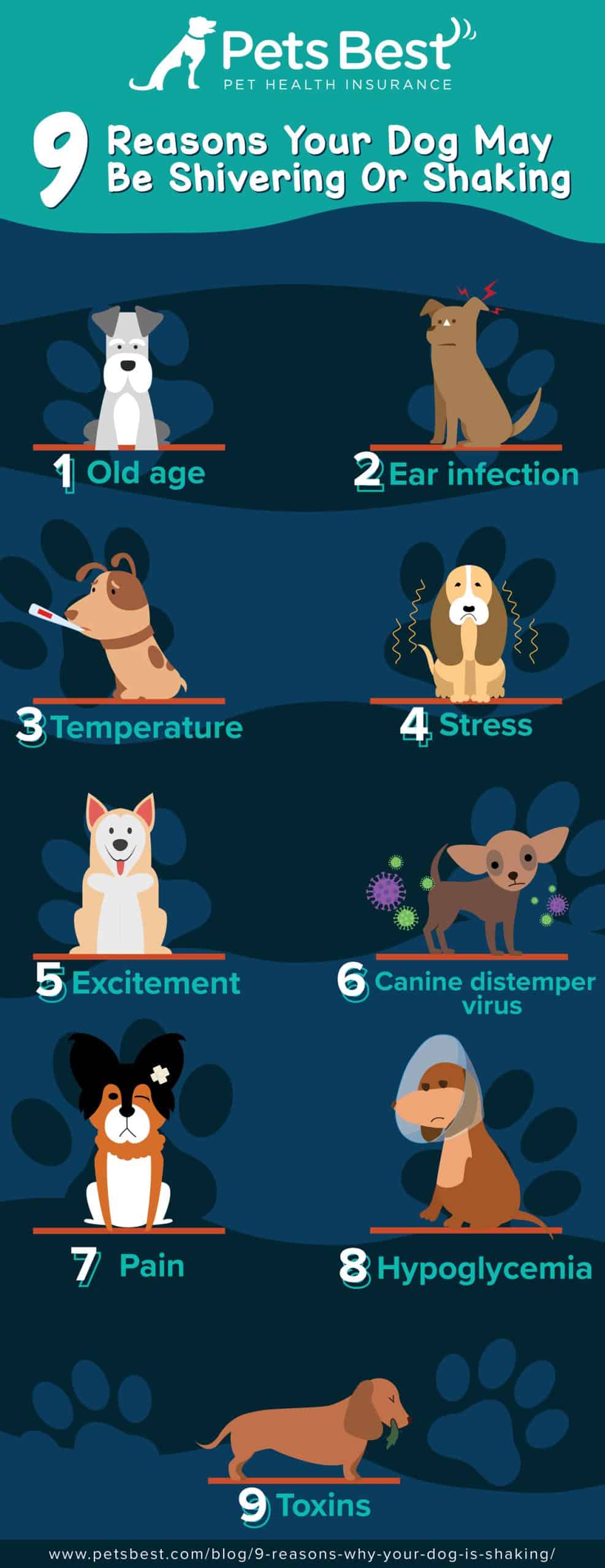
Dogs shake or tremble during grooming for several reasons, many of which are rooted in natural instincts or emotional responses. First and foremost, trembling can be a sign of fear or anxiety. Some dogs associate brushing with discomfort or past negative experiences, causing their body to react with nervous trembling. Recognizing this helps owners approach grooming with patience and empathy.
Physical factors may also contribute to shaking. For example, sensitive skin, pain, or underlying health issues like arthritis can make brushing uncomfortable or even painful, prompting a trembling response. Additionally, some dogs are inherently more anxious or sensitive, reacting strongly to unfamiliar sensations or handling. It’s important to observe your dog’s overall behavior—if shaking is accompanied by other signs of distress like whining, hiding, or attempting to escape, it’s likely an emotional response.
Lastly, cold temperatures or stress-induced adrenaline can cause trembling. Dogs might shiver if they’re cold or if they’re feeling overwhelmed by the grooming process. Understanding these varied reasons emphasizes the importance of a calm, gentle approach tailored to your dog’s individual needs. Recognizing the root cause allows you to better address their fears and provide comfort.
Preparing Your Dog for a Comfortable Brushing Experience
Preparation is key to making grooming sessions less stressful and reducing shaking. Start by creating a calm environment—choose a quiet, comfortable space free from loud noises or distractions. This helps your dog feel safe and less overwhelmed. Additionally, consider the timing of your grooming sessions; avoid times when your dog is overly tired, hungry, or anxious to ensure they are more receptive.
Building trust beforehand can significantly improve the experience. Spend time engaging in gentle petting, giving treats, or playing to establish a positive association with your hands and your presence. If your dog is new to grooming, start with brief sessions, gradually increasing the duration as they become more comfortable. Using treats and praise during these initial steps can reinforce calm behavior and help them associate grooming with positive rewards.
Another practical tip is to familiarize your dog with the grooming tools before actual brushing. Let them sniff and investigate brushes or combs in a non-grooming context. This reduces curiosity-driven fear and helps prevent surprise reactions during the actual session. Consistent, gentle handling and positive reinforcement lay the foundation for a more relaxed grooming experience, making it easier for your dog to stay calm when you start brushing.
Techniques to Calm and Reassure Shaking Dogs During Grooming Sessions
When your dog begins to shake during brushing, it’s important to respond with calming techniques that reassure and comfort them. Use a soft, gentle voice to speak reassuringly, avoiding loud or high-pitched tones that might increase anxiety. Maintaining a calm demeanor yourself often influences your dog’s emotional state, so stay relaxed and patient throughout the grooming session.
Physical comfort measures can also help soothe trembling dogs. Practice gentle petting or massaging areas that your dog enjoys to promote relaxation. If your dog is particularly anxious, consider taking short breaks during grooming—pause, give a treat or praise, and then resume gradually. This prevents them from becoming overwhelmed and reinforces a sense of control. Using a calming aid, such as a dog-specific pheromone spray or a calming vest, can also reduce stress levels.
Incorporating distraction techniques like toys, treats, or calming music can divert your dog’s attention away from the grooming process. For example, offering a favorite treat or engaging them with a puzzle toy nearby can shift focus and reduce trembling. Consistency and patience are key—over time, these techniques build a sense of security and trust, helping your dog feel more at ease during future grooming sessions.
Selecting the Right Grooming Tools and Products for Sensitive Dogs
Choosing the appropriate grooming tools is crucial, especially if your dog is sensitive or prone to shaking during brushing. For dogs with delicate skin or a tendency to tremble, opt for soft-bristled brushes, rubber grooming gloves, or gentle combs designed for sensitive skin. These tools minimize discomfort and reduce the likelihood of provoking fear or pain.
Investing in high-quality, ergonomic grooming products can also make a difference. Well-designed brushes with comfortable grips allow for gentler handling, and tools with rounded or smooth edges prevent scratching or irritation. Additionally, using grooming sprays or conditioners formulated for sensitive skin can help keep your dog comfortable and reduce itchiness or discomfort during brushing.
For dogs with specific skin conditions or sensitivities, consult your veterinarian for product recommendations. Natural and hypoallergenic grooming products tend to be gentler and less likely to cause adverse reactions. The right combination of tools and products not only enhances your dog’s comfort but also encourages a more positive grooming experience, reducing their tendency to shake or tremble during brushing.
Building a Positive Grooming Routine to Reduce Anxiety and Shaking
Establishing a consistent grooming routine transforms grooming from a stressful event into a regular, predictable activity that your dog can anticipate with less fear. Set a schedule—whether weekly or bi-weekly—and stick to it, so your dog knows what to expect. Consistency helps reduce anxiety and creates a sense of security, which can lessen trembling during brushing.
Incorporate positive reinforcement into each grooming session. Reward your dog with treats, praise, or playtime afterward to create a positive association with grooming. Over time, this makes your dog look forward to the experience rather than dread it. Short, frequent sessions are often more effective than lengthy ones, especially for anxious or sensitive dogs, as they prevent overwhelming your pet and build trust gradually.
Finally, patience is key. Some dogs may take longer to become comfortable with grooming, but persistence and gentle handling pay off. By approaching grooming with kindness and understanding, you help your dog develop confidence and reduce their tendency to shake or tremble. Remember, the goal is to make grooming a bonding experience that strengthens your relationship and keeps your dog happy and healthy.
Conclusion
Helping your dog feel calm and secure during brushing is a rewarding process that requires understanding, patience, and the right approach. Recognizing the reasons behind shaking—whether emotional, physical, or environmental—allows you to tailor your grooming strategy effectively. Proper preparation, calming techniques, suitable tools, and a consistent routine all contribute to a smoother experience.
By creating a positive grooming environment and building trust over time, you can significantly reduce your dog’s anxiety and trembling, making grooming sessions more enjoyable for both of you. Remember, every dog is unique, and what works for one may differ for another. The key is to be attentive to your pet’s needs, stay patient, and celebrate small progress along the way. With gentle guidance and love, grooming can become a bonding activity that reinforces your relationship and keeps your furry friend happy and healthy.