


How to Care for Handle Coats in Flat-Faced Dog Breeds: Tips & Advice
When it comes to caring for flat-faced dog breeds like Bulldogs, Pugs, or French Bulldogs, one often-overlooked aspect is their coat care, particularly those with handle coats—coats that are short, smooth, and easy to maintain but still require regular attention. These breeds are beloved for their adorable faces and charming personalities, but their unique coat types come with specific grooming needs and health considerations. Proper coat care not only enhances their appearance but also contributes significantly to their overall health and comfort. Whether you’re a seasoned owner or new to these breeds, understanding how to care for handle coats can make a noticeable difference in your dog’s quality of life.
In this article, we’ll explore the nuances of handling coat care in flat-faced breeds with handle coats, covering everything from understanding coat types to practical grooming techniques, suitable tools, and health tips. The goal is to equip you with actionable advice to keep your furry friend looking and feeling their best—so let’s dive into the essentials of flat-faced breed coat care.
Understanding Coat Types and Common Challenges in Flat-Faced Breeds
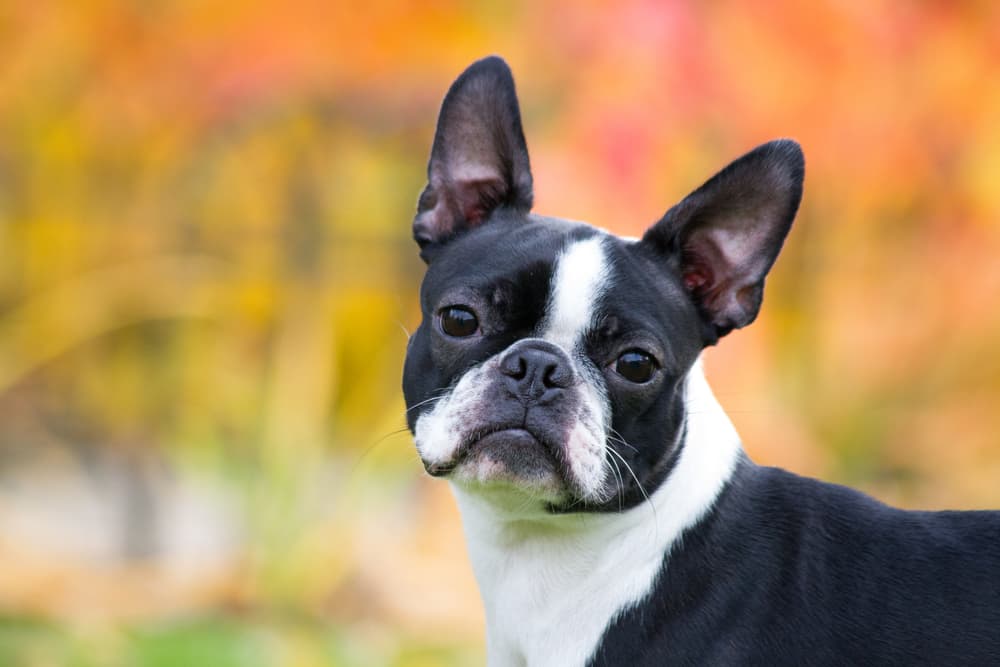
Flat-faced dog breeds such as Bulldogs, Pugs, and French Bulldogs typically have short, smooth coats, often categorized as handle coats. These coats are characterized by their sleek, close-to-the-skin appearance, which makes them easier to groom than long-haired or wiry coats but still requires consistent maintenance. Recognizing the specific coat type is critical because it influences grooming frequency, product choice, and skin health management.
One common challenge with handle coats in flat-faced breeds is their susceptibility to skin issues. The close-fitting coat can trap dirt, oil, and moisture, creating an environment conducive to bacterial or fungal infections. Additionally, these breeds tend to have skin folds that can collect debris and moisture, leading to irritation or infection if not properly managed. The short coat also means that skin health becomes more visible and requires regular inspection for redness, rashes, or signs of irritation.
Another challenge revolves around shedding. While handle coats tend to shed less than longer coats, they are not entirely hypoallergenic. Regular brushing helps reduce loose hair, but owners must also be vigilant about dirt and debris accumulation. Moreover, because flat-faced breeds are prone to breathing and skin sensitivities, maintaining a healthy coat is integral to their overall comfort. By understanding these common challenges, owners can develop tailored grooming routines that address both aesthetic and health needs.
Daily Grooming Techniques for Handle Coats in Flat-Faced Dogs
Maintaining a handle coat in flat-faced breeds involves daily attention to keep the coat clean, healthy, and free from irritants. Start with a gentle brushing routine using a soft-bristle brush or a rubber grooming mitt. This not only removes loose fur but also stimulates circulation and distributes natural skin oils, promoting a shiny, healthy coat. Given their short fur, brushing should take only a few minutes but should be done consistently—ideally daily or every other day—to prevent dirt buildup and to catch any skin issues early.
Next, incorporate cleaning routines that focus on the skin folds and facial areas. Flat-faced dogs often have prominent wrinkles that can trap moisture, dirt, and bacteria. Using a damp, soft cloth or specially formulated pet wipes, gently clean these areas daily to prevent infections. Be sure to dry thoroughly afterward, as moisture lingering in folds can lead to yeast or bacterial overgrowth. Regularly inspecting these areas for redness, swelling, or foul odors can help catch problems before they develop into more serious health concerns.
Finally, it’s essential to incorporate occasional bathing into your grooming routine. Use a gentle, hypoallergenic dog shampoo designed for sensitive skin—preferably one recommended by your veterinarian. Bathe your dog every 4-6 weeks, or as needed, ensuring you rinse thoroughly to remove all soap residues. After bathing, dry your dog completely using a towel and, if necessary, a blow dryer on a low, cool setting. Consistent grooming not only keeps the coat and skin in top condition but also offers an opportunity to check for any abnormalities or signs of discomfort.
Specialized Tools and Products for Effective Coat Maintenance
Having the right tools can make all the difference when caring for handle coats in flat-faced breeds. A soft-bristle or natural boar brush is ideal for daily grooming, as it gently removes loose fur without irritating the skin. Rubber grooming mitts are also highly effective for quick clean-ups, especially for sensitive areas like the face and folds. For cleaning facial wrinkles and skin folds, soft, damp cloths or pet-specific wipes are recommended to gently wipe away debris and moisture.
When it comes to bathing, opt for a high-quality, gentle dog shampoo formulated for sensitive or hypoallergenic skin. Brands that contain moisturizing ingredients such as oatmeal or aloe vera can soothe skin and help maintain the coat’s health. Additionally, consider using a conditioner if your dog’s skin tends to be dry or if the coat appears dull; however, always ensure thorough rinsing to prevent product buildup. For skin and coat health, supplements like omega-3 fatty acids (found in fish oil) can be beneficial and are available in capsule or liquid form.
Other specialized tools include de-shedding brushes or grooming gloves designed to reduce loose hair and manage shedding effectively. Regularly trimming around the ears, paws, and facial hair (if applicable) can also prevent dirt accumulation and improve hygiene. Remember, choosing the right tools and products tailored to your flat-faced breed’s coat type is fundamental for effective, stress-free grooming and maintaining a shiny, healthy coat.
Addressing Skin Sensitivities and Preventing Coat-Related Health Issues
Flat-faced breeds are prone to skin sensitivities and allergies, which can be exacerbated by poor coat or skin care. Regular inspection of the skin, especially in folds, is crucial to identify early signs of irritation, redness, or foul odors. Using hypoallergenic grooming products minimizes the risk of allergic reactions, and consulting your veterinarian can help tailor a skincare regimen suited specifically for your dog’s needs.
Preventative measures such as keeping skin folds dry and clean play a vital role in avoiding infections like dermatitis or yeast overgrowth. Applying a light dusting of pet-safe powder or barrier cream in folds can help absorb excess moisture and reduce irritation. If your dog shows signs of persistent itching, redness, or discomfort, seek veterinary advice promptly. In some cases, underlying allergies or medical conditions may require specialized treatment or diet adjustments to improve coat and skin health.
Furthermore, maintaining a balanced diet rich in omega-3 and omega-6 fatty acids supports skin integrity and coat condition. Regular vet check-ups can also help monitor for any emerging health concerns related to skin or coat issues. Remember, a proactive approach to skin health, combined with gentle grooming practices, significantly reduces the likelihood of more severe health problems and ensures your flat-faced dog remains comfortable and happy.
Tips for Managing Coat Shedding and Enhancing Coat Health
While handle coats in flat-faced breeds shed less than longer-haired counterparts, managing shedding effectively can greatly improve your home environment and your dog’s comfort. Regular brushing with a de-shedding tool or grooming glove helps remove loose hair before it falls around your house or clogs your vacuum. This not only keeps your living space cleaner but also stimulates the skin and promotes a healthy coat.
Diet plays a crucial role in managing shedding and enhancing coat quality. Feeding a high-quality dog food formulated for skin and coat health, rich in omega fatty acids, vitamins, and antioxidants, can significantly reduce excessive shedding and improve coat shine. Additionally, supplementing with fish oil or flaxseed oil—after consulting your vet—can provide the necessary nutrients to support healthy hair growth and reduce hair breakage.
Finally, maintaining a stress-free environment and ensuring your dog is free from parasites like fleas and ticks are essential for coat health. Parasites not only cause discomfort but can also lead to hair loss and skin infections. Regular veterinary check-ups, proper parasite prevention, and a nutritious diet create a strong foundation for a shiny, healthy coat in flat-faced breeds, making grooming a more manageable and enjoyable task for both owner and pet.
Conclusion
Caring for handle coats in flat-faced dog breeds combines understanding their unique coat and skin needs with consistent grooming routines and appropriate products. Recognizing the challenges such as skin sensitivities and managing shedding are vital steps toward ensuring your furry friend remains comfortable, healthy, and adorable. Regular grooming, using specialized tools, and maintaining a balanced diet are all key components of effective coat care. Remember, proactive health monitoring and gentle handling can prevent many common coat and skin issues, enhancing your dog’s overall well-being.
By investing time and effort into proper coat maintenance, you’re not only improving your dog’s appearance but also contributing to their happiness and long-term health. Whether you’re a new owner or a seasoned enthusiast, these tips should serve as a foundation for a caring, responsible approach to handling coat care in flat-faced breeds. After all, a well-maintained coat is a reflection of a happy, healthy pup—so start implementing these practices today!