


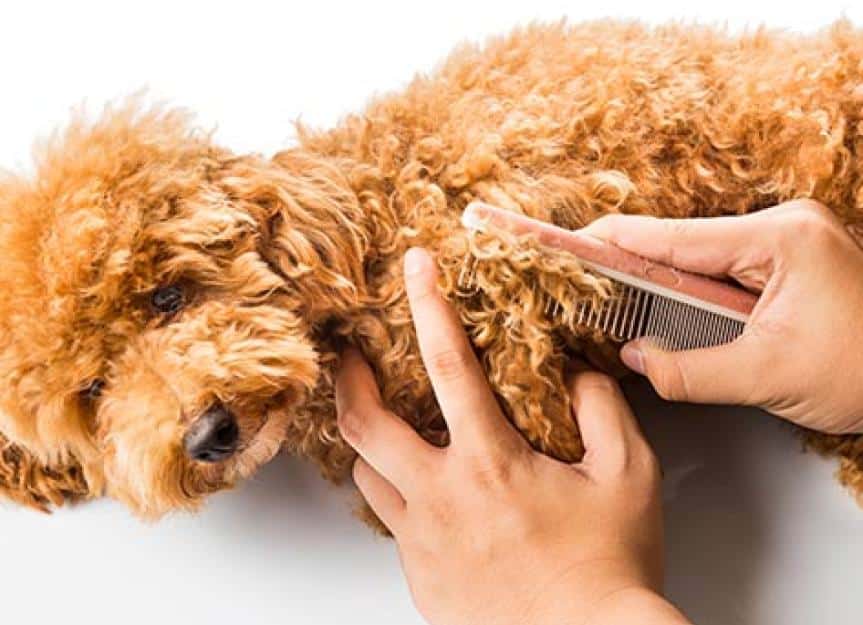
How to Check and Manage Tangled Hair: Essential Tips for Dog Owners
Owning a dog is a rewarding experience filled with unconditional love and companionship. However, one common challenge many dog owners face is managing their pet’s coat, especially when it comes to tangled hair. Tangles, mats, and knots not only make grooming sessions stressful but can also lead to skin irritation, discomfort, and even infections if left untreated. If you’ve ever struggled to brush out a stubborn tangle or worried about causing pain to your furry friend, you’re not alone.
In this comprehensive guide, we’ll explore how to check and manage tangled hair effectively. We’ll cover everything from understanding the different types of dog hair and how they tend to tangle, to the best brushing techniques, selecting grooming tools, maintaining healthy coats with bathing, and safely detangling sensitive areas. Whether you’re a new dog owner or looking to refine your grooming routine, these tips will help keep your dog’s coat healthy, shiny, and free of uncomfortable knots.
Understanding Different Types of Dog Hair and Tangles
Every dog breed has a unique coat type, which influences how prone they are to tangles and how you should approach grooming. Recognizing these differences is essential for effective coat management and preventing matting.
Dog hair types vary broadly, primarily falling into categories like straight, wavy, curly, or wiry coats. For example, breeds like Beagles or Labrador Retrievers have straight, short hair that’s less likely to tangle, while curly-haired breeds like Poodles or Bichon Frises are more prone to forming mats if not groomed regularly. Wiry-coated breeds such as Terriers develop coarse hair that can tangle into stubborn mats if neglected. Understanding your dog’s coat type will help you tailor your grooming routine, including frequency and technique.
Tangles and mats form when loose hair, dirt, and oils trap together, especially in areas with increased friction like behind the ears, under the legs, or around the collar. Long-haired breeds or those with curly or semi-long coats are particularly susceptible to matting, which can become painful if left untreated. Mats tighten over time, pulling on the skin and causing discomfort or even skin infections. Recognizing early signs of tangles—such as rough patches, visible knots, or your dog scratching—can help you address issues before they worsen.
Additionally, some coats are prone to shedding, which can either minimize or exacerbate tangling depending on grooming practices. Understanding your dog’s coat cycle and shedding patterns can inform how often you need to brush and bathe your pet. Regular inspection—especially in high-risk zones like the neck, chest, and behind the ears—is crucial for early detection and management of tangles.
Effective Brushing Techniques for Preventing and Managing Hair Tangles
The cornerstone of managing tangled hair in dogs is consistent, gentle brushing. A proper brushing routine not only removes loose fur, dirt, and debris but also stimulates skin health and distributes natural oils for a shiny coat. Developing a technique that suits your dog’s specific coat type can make grooming sessions more efficient and less stressful.
Start by choosing the right brush—slicker brushes, pin brushes, or combs—based on your dog’s coat. For example, slicker brushes are excellent for curly or wiry coats to detangle without pulling excessively, while pin brushes work well for long, straight coats. Always brush calmly and in the direction of hair growth, using gentle strokes to avoid hurting sensitive skin. If you encounter a knot, avoid tugging or yanking; instead, work slowly, using your fingers or a detangling spray to loosen the tangle gradually.
When managing tangles, patience is key. Begin with small sections, gently working from the outer edges inward. For stubborn mats, it’s best to detangle from the tip of the hair toward the skin, applying a detangling spray or conditioner if necessary. This approach minimizes pain and reduces the risk of hair breakage. If you encounter a mat that’s too tight or painful, don’t hesitate to seek professional grooming help to prevent injury or stress.
Regular, daily brushing is ideal for breeds prone to tangles, especially during shedding seasons or if your dog has a long or curly coat. Consistency helps prevent the formation of severe mats and keeps the coat looking healthy and shiny. Remember, positive reinforcement—like treats or praise—during grooming can make the experience more enjoyable for your furry friend and encourage cooperation.
Selecting the Right Grooming Tools and Products for Tangle-Free Coats
Choosing the proper grooming tools and products is crucial for effectively managing your dog’s coat and preventing tangles. Investing in high-quality, breed-appropriate tools can make grooming safer and more comfortable for your dog, while also saving you time and frustration.
Start with a versatile set that includes a slicker brush, pin brush, comb, and dematting tools if needed. Slicker brushes with fine, thin bristles are great for breaking up mats and removing loose hair, especially in curly or wiry coats. Pin brushes are gentle and excellent for long, straight coats, helping to smooth and detangle gently. Combs with fine, wide, and medium teeth can access difficult spots and help you detect early tangles before they turn into mats. Dematting tools or rakes can be useful for severe tangles but should be used carefully to avoid injuring your dog’s skin.
In addition to brushes, select grooming products like detangling sprays, conditioners, and coat detanglers. These products help loosen knots, add moisture, and improve the coat’s overall health, making brushing easier. Be sure to choose hypoallergenic, pet-safe options that suit your dog’s skin sensitivities. Regularly using a conditioner or leave-in spray after bathing can also help maintain a smooth, tangle-free coat and reduce static.
Lastly, always keep grooming tools clean and well-maintained. Dirty brushes can harbor bacteria and dirt, which can transfer to your dog’s coat and skin. Properly cleaning and drying your tools after each use prolongs their effectiveness and ensures a hygienic grooming process. When selecting products, consult your veterinarian or professional groomer for recommendations tailored to your dog’s specific coat type and health needs.
Regular Bathing and Conditioning Tips to Maintain Smooth, Healthy Fur
Bathing plays a vital role in maintaining a coat that’s less prone to tangles and mats. Regular baths help remove dirt, excess oils, and debris that can trap hair and cause knots to form. When combined with proper conditioning, bathing can leave your dog’s fur soft, manageable, and more resistant to tangling.
Choose a gentle, dog-specific shampoo formulated for your dog’s skin type—whether sensitive, oily, or dry. Avoid human shampoos, as they can upset your pet’s skin pH balance. Bathe your dog in a warm, comfortable environment, using lukewarm water to prevent discomfort. Gently lather the shampoo into the coat, massaging the skin to stimulate blood flow and loosen dirt. Be thorough around the ears, paws, and under the armpits, but avoid the eyes and ears to prevent irritation.
Following the bath, apply a high-quality conditioner or detangler designed for dogs with long or curly coats. Leave the conditioner on for a few minutes to deeply moisturize and soften the fur. Rinse thoroughly to remove all residue, as leftover product can attract dirt or cause skin irritation. After bathing, towel-dry your dog gently, and, if your dog tolerates it, use a blow dryer on a low, cool setting to aid in drying and prevent static, which can lead to tangling.
In addition to routine baths, regular brushing after bathing helps distribute natural oils throughout the coat and keeps loose hair from tangling. Consistent grooming habits, combined with proper bathing and conditioning, promote a healthy, shiny coat that’s less susceptible to mats. Remember, over-bathing can strip natural oils, so find a frequency that balances cleanliness with skin health—usually once every 4-8 weeks, depending on your dog’s breed and lifestyle.
Tips for Detangling Sensitive or Matted Hair Safely and Comfortably
Detangling severely matted or sensitive areas requires extra care to ensure your dog’s comfort and safety. Forcing a mat to come apart can cause pain, skin irritation, or even injury, so patience and gentle techniques are essential. When dealing with sensitive spots—such as around the ears, underarms, groin, or face—approach the task with caution, preferably with professional guidance if the mats are extensive.
Begin by softly separating loose hair with your fingers, working from the outer edges inward. Apply a gentle detangling spray or conditioner to soften the mat and ease the process. Use specialized dematting tools or a wide-tooth comb for more stubborn knots, working carefully and incrementally. Always keep your strokes gentle to avoid pulling on the skin or causing discomfort. If a mat is too tight or painful to remove, it’s best to seek professional grooming help rather than risking injury.
In cases where mats are severe, cutting them out may be the safest option. Use blunt-ended scissors or grooming shears and cut carefully into the mat, avoiding the skin. It’s advisable to have a professional groomer perform this if you’re unsure or uncomfortable. When handling sensitive skin, always observe your dog’s reactions and stop immediately if they show signs of stress or pain. Providing treats, praise, and a calm environment will help your dog feel more secure during detangling sessions.
Prevent future tangling in sensitive areas by establishing a regular grooming routine, trimming hair around the face and paws, and ensuring your dog is comfortable during grooming. Regular check-ups, combined with gentle, consistent care, will keep your dog’s coat healthy, tangle-free, and comfortable for both of you.
Conclusion
Managing tangled hair in dogs is a crucial aspect of their overall health and well-being. By understanding the unique coat types and their tendencies to tangle, you can tailor your grooming routine effectively. Consistent brushing, using the right tools and products, and maintaining a regular bathing schedule all contribute to a smooth, healthy coat that’s less prone to mats. For stubborn tangles, patience and gentle techniques are essential, especially when dealing with sensitive or severely matted areas.
Remember, grooming is not just about keeping your dog looking good—it’s also about making them comfortable and preventing potential health issues. By investing time in proper coat care and learning effective detangling methods, you’ll foster a happier, healthier furry companion. So, take the time to develop a routine that suits your dog’s specific needs, and enjoy the bonding experience that grooming can bring. Your dog will thank you with a shiny, tangle-free coat and a happy, healthy life!