


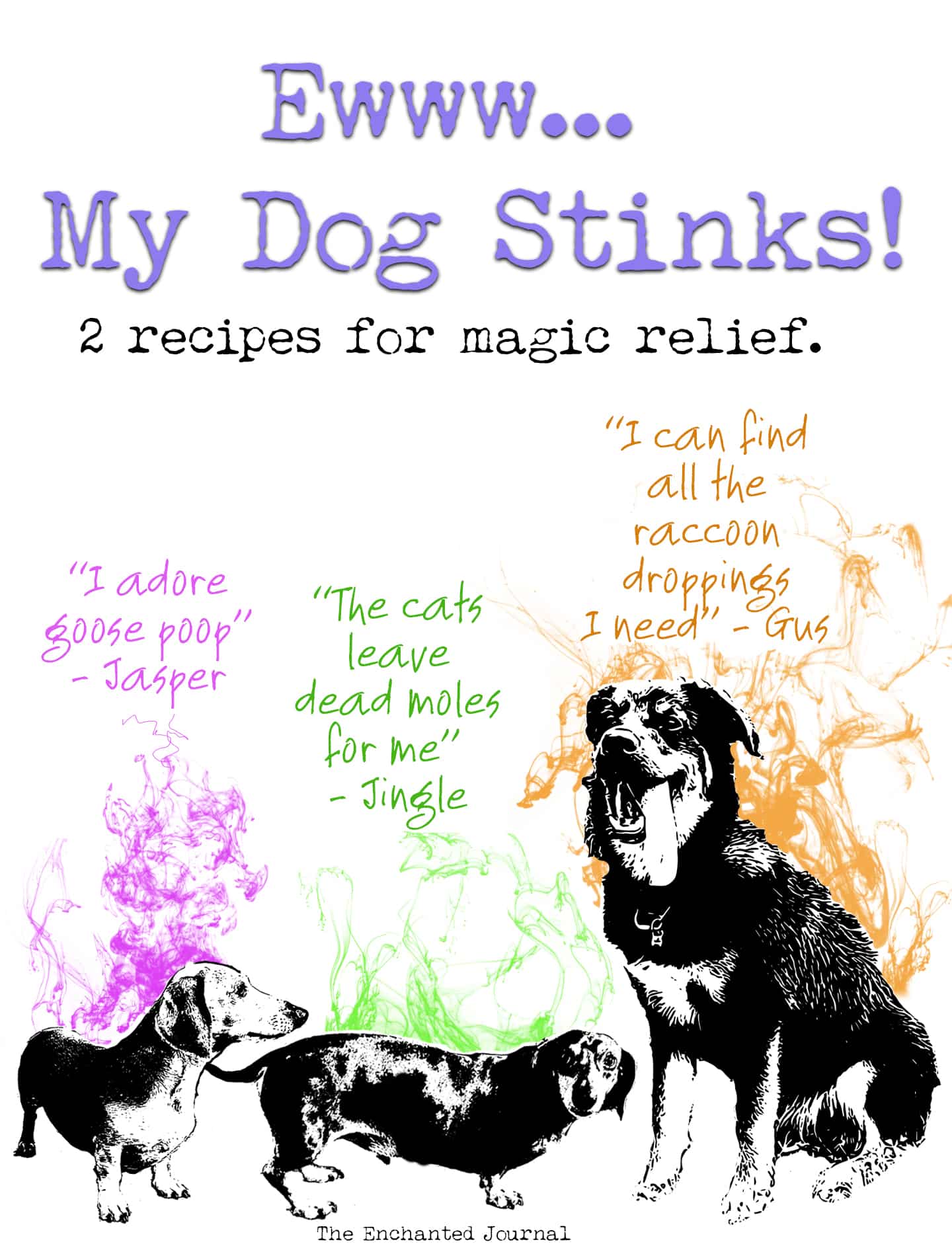
How to Check Your Smelly Dog: Essential Tips for Dog Owners
As a dog owner, one of the most common and often embarrassing surprises is discovering that your furry friend has developed a strong, unpleasant odor. While some smells are part of your dog’s natural scent, persistent or foul odors can signal underlying health issues or hygiene neglect. Knowing how to effectively check your dog for odor, identify its sources, and take appropriate action is essential for maintaining your pet’s health and ensuring a happy, fresh-smelling companion. This article offers comprehensive tips on how to recognize, diagnose, and manage dog odors, covering everything from understanding causes to grooming, diet, and external factors.
Understanding the Causes of Dog Odor and When to Seek Veterinary Advice
Before diving into grooming routines, it’s important to understand what causes dog odors and when a simple bath isn’t enough. Naturally, dogs have a unique scent that varies by breed, age, and individual genetics. However, when an offensive smell persists or suddenly worsens, it can be a sign of health issues such as skin infections, dental problems, allergies, or internal illnesses.
Common Causes of Dog Odor:
- Skin Infections and Allergies: Bacterial or yeast infections on the skin often produce a foul smell. Allergies can cause excessive itching and skin irritation, which may lead to secondary infections if left untreated. For example, dogs with food allergies or environmental sensitivities may develop smelly skin conditions.
- Dental Disease: Bad breath in dogs isn’t just unpleasant; it can also be a sign of dental issues such as periodontal disease, tartar buildup, or infected gums. If your dog’s breath smells particularly foul, it warrants a vet check-up.
- External Parasites: Fleas, ticks, and mites can cause skin irritation and a distinctive odor, especially if the infestation is severe. These pests can also transmit diseases, making prompt diagnosis crucial.
- Internal Health Problems: Sometimes, persistent odor can originate from internal issues like kidney disease, gastrointestinal problems, or hormonal imbalances. These conditions often come with other symptoms like changes in appetite, lethargy, or vomiting.
When to Seek Veterinary Advice:
If your dog’s odor is persistent, worsens over time, or is accompanied by other signs such as hair loss, scratching, swelling, or changes in behavior, consulting a veterinarian is essential. A professional can perform diagnostic tests, identify underlying health issues, and recommend appropriate treatment. Don’t ignore signs that suggest your dog is unwell; addressing health problems early can prevent more serious complications and help your dog smell fresh again.
Effective Bathing and Grooming Techniques for Fresh-Smelling Dogs
Regular bathing and grooming are the foundation of keeping your dog smelling good and feeling comfortable. The key is to develop a routine suited to your dog’s breed, coat type, and lifestyle. Proper techniques not only improve odor control but also promote healthier skin and fur, reducing the buildup of dirt, oils, and bacteria.
Choosing the Right Products:
Select a dog-specific shampoo that matches your pet’s skin and coat needs. For example, sensitive skin dogs benefit from hypoallergenic or oatmeal-based shampoos, while those prone to oily coats might require clarifying shampoos. Avoid using human shampoos, as they can disrupt the pH balance of a dog’s skin, leading to dryness or irritation. Consider incorporating grooming sprays or conditioners if your dog has a long or thick coat to prevent matting and trap dirt before washing.
Bathing Technique Tips:
- Use lukewarm water to avoid discomfort or skin irritation.
- Wet your dog thoroughly, ensuring water reaches the skin’s surface.
- Apply shampoo evenly, massaging gently to loosen dirt and oils. Focus on areas prone to odor, such as the armpits, groin, ears, and paws.
- Rinse thoroughly to remove all soap residues, as leftover shampoo can cause irritation or attract dirt.
- Pat dry with a clean towel and, if necessary, use a blow dryer on a low, cool setting—especially for long-haired breeds—to prevent matting and keep the coat fluffy.
Grooming Beyond Baths:
Regular brushing is vital for reducing odor, especially in long-haired or thick-coated breeds. Brushing distributes natural oils, removes loose hair and dirt, and prevents matting, all of which can harbor bacteria that cause smell. Additionally, trimming hair around the ears, paws, and genital area can help reduce trapped dirt and moisture, lowering the risk of infections and odor buildup.
Consistency is key—aim to bathe your dog every 4-8 weeks, depending on breed and activity level. In between baths, spot-clean problem areas with pet wipes or damp cloths to keep your dog fresh. Remember, maintaining a consistent grooming routine keeps your dog comfortable and less likely to develop persistent odors.
Maintaining Oral Hygiene to Prevent Bad Breath and Odor
One of the most overlooked sources of dog odor is the mouth. Bad breath, or halitosis, not only repels guests but can also be a red flag for dental or health issues. Proper oral hygiene is crucial for controlling bad breath and preventing the development of more serious conditions like gum disease, which can contribute to overall body odor.
Establishing a Daily Oral Care Routine:
Start by introducing your dog to teeth brushing early, using a toothbrush designed for pets and canine-specific toothpaste—never use human toothpaste, as it can be toxic to dogs. Brushing at least 3-4 times per week can significantly reduce plaque buildup, tartar, and bacteria that produce foul odors. Focus on the gum line and all tooth surfaces, and be gentle to avoid discomfort or injury.
Additional Dental Hygiene Tips:
Supplements, dental chews, and toys designed to promote oral health can complement regular brushing. Some products contain enzymes or ingredients that help break down plaque and freshen breath. Professional dental cleanings performed by a veterinarian might be necessary for dogs with severe tartar buildup or periodontal disease. Regular check-ups also allow your vet to assess overall oral health and recommend interventions if needed.
Recognizing When Smell Signals a Problem:
Persistent bad breath despite routine care can indicate underlying issues such as infected teeth, abscesses, or systemic illnesses like kidney disease. If your dog’s mouth is also showing signs like swelling, bleeding, or difficulty eating, a veterinary consultation is essential. Addressing dental problems promptly not only improves breath but also enhances your dog’s overall health and comfort.
Managing Dietary Factors and External Factors Contributing to Dog Smell
Diet plays a significant role in your dog’s body odor. Certain foods or feeding routines can influence how your dog smells, both internally and externally. Managing external factors, like exposure to dirt, moisture, or outdoor elements, also helps prevent unpleasant odors from developing.
Optimizing Your Dog’s Diet:
Feeding high-quality, well-balanced dog food supports healthy skin and coat, which in turn reduces odor. Diets rich in omega-3 and omega-6 fatty acids, such as fish oil supplements, can improve skin hydration and coat shine, lowering the chance of dry skin and odor. Be cautious about treats and table scraps, which can contain ingredients that cause bad breath and skin issues. Consult your veterinarian for guidance on appropriate diets tailored to your dog’s age, breed, and health needs.
External Factors and Environmental Hygiene:
Dogs that spend a lot of time outdoors are more exposed to dirt, mud, and moisture, all of which can cause a dog to smell. Regularly washing your dog’s bedding, toys, and living areas reduces the buildup of odors and pests like fleas and mites. When your dog comes back from outdoor adventures, wipe down their paws, ears, and coat with a damp cloth to remove dirt and prevent odor-causing bacteria from accumulating.
Managing Moisture and Trapped Odors:
Moisture trapped in fur, paws, or under the collar can promote bacterial and fungal growth, resulting in a musty smell. Ensuring your dog is dry after baths, walks, or swims is essential. Consider using water-absorbing towels or blow dryers on low heat to fully dry your pet. Additionally, controlling environmental factors such as humidity levels in your home can help reduce fungal growth and damp smell issues, keeping your dog fresher for longer.
Tips for Regular Ear Cleaning and Skin Care to Reduce Unpleasant Odors
Ears and skin are often overlooked yet crucial areas in the fight against dog odor. Ears can harbor yeast, bacteria, and wax buildup, which produce a foul smell if not cleaned regularly. Similarly, skin health is directly linked to odor control; irritated, inflamed, or infected skin can emit unpleasant scents.
Routine Ear Cleaning Practices:
Check your dog’s ears weekly for signs of dirt, wax, redness, or a foul smell. Use a vet-recommended ear cleaner and a soft cloth or cotton ball to gently wipe the inner ear canal—never insert anything deep into the ear. Regular cleaning prevents wax buildup and reduces the risk of infections. If your dog shows signs of ear discomfort, such as excessive scratching, head shaking, or odor, consult your vet for diagnosis and treatment.
Skin Care for Odor Control:
Maintaining healthy skin involves regular bathing, proper nutrition, and controlling parasites. For dogs prone to skin issues, medicated shampoos or topical treatments prescribed by a veterinarian can help manage infections and reduce odors. Always ensure that your dog’s skin is thoroughly dried after baths or outdoor exposure to prevent fungal or bacterial growth. For long-haired breeds, trimming hair around the skin and ears can improve airflow and reduce moisture retention, decreasing odor potential.
Monitoring and Addressing Skin and Ear Problems:
Persistent or strong odors from the ears or skin may indicate underlying infections or allergies. Additional signs include hair loss, redness, swelling, or discharge. Early intervention can prevent more severe health issues and improve your dog’s comfort. Regular grooming, combined with attentive monitoring, will help you catch problems early and keep your dog smelling fresh and healthy.
Conclusion
Keeping your dog smelling fresh is a combination of understanding the root causes of odor, practicing effective grooming, maintaining good oral hygiene, managing diet and external influences, and diligent skin and ear care. Recognizing when a foul smell is a sign of health issues and seeking veterinary advice promptly can prevent more serious problems down the line. Regular grooming routines, proper diet, and environmental management not only contribute to your dog’s pleasant scent but also promote overall health and happiness. As a responsible dog owner, staying vigilant and proactive in your pet’s hygiene will ensure your four-legged friend remains a delightful and fresh-smelling companion for years to come.