


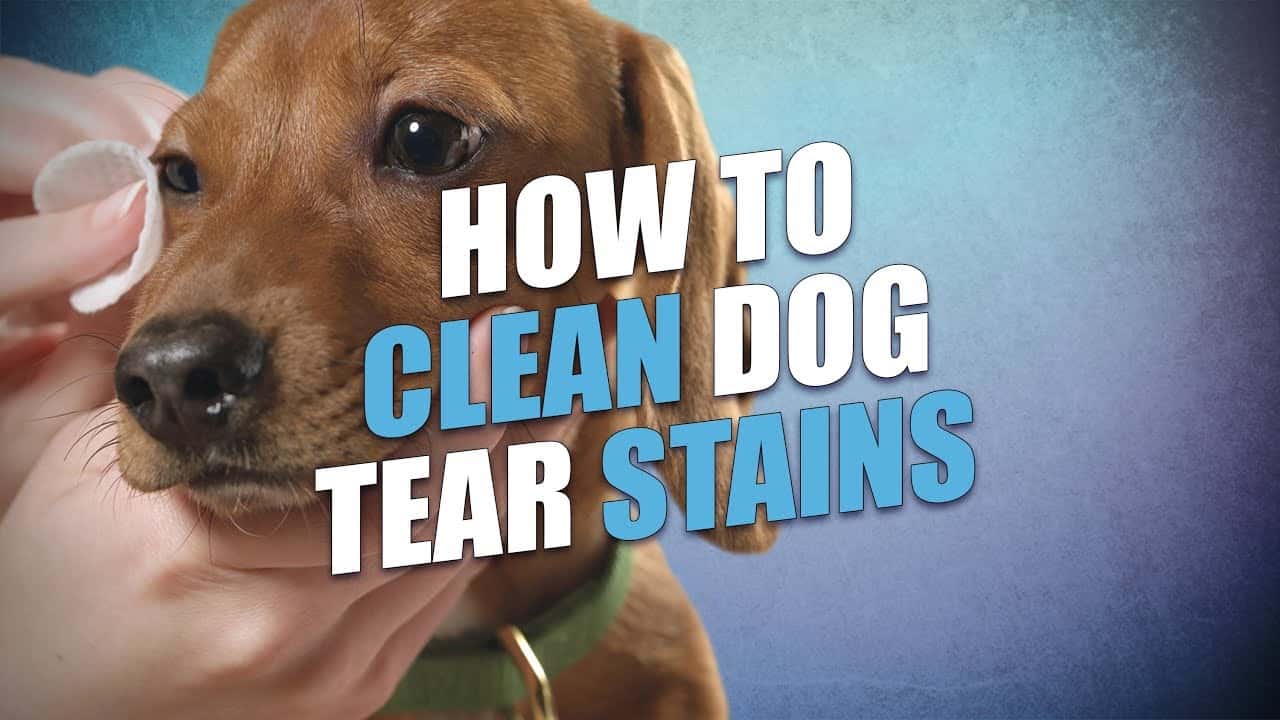
How to Clean Your Dog’s Eye Stains: Essential Tips Every Owner Should Know
If you’re a dog owner, you’ve probably noticed those unsightly brown or reddish stains around your pup’s eyes from time to time. While they may seem like a minor cosmetic issue, eye stains can sometimes indicate underlying health concerns, or they may become uncomfortable for your furry friend if not properly managed. Fortunately, with the right knowledge and tools, you can effectively clean and prevent eye stains, keeping your dog comfortable and looking their best. This article will walk you through understanding the causes of eye stains, the essential tools for cleaning, a step-by-step cleaning guide, preventive tips, and when to seek veterinary help for persistent issues.
Understanding the Causes of Eye Stains in Dogs and When to Seek Veterinary Advice
Eye stains in dogs typically appear as brown, reddish, or yellowish discoloration around the eyes and face. While some breeds are more prone due to their facial structure—such as Pugs, Bulldogs, Shih Tzus, and other brachycephalic breeds—any dog can develop eye stains under certain conditions. The primary causes of eye stains often involve excess tear production, tear drainage issues, or exposure to environmental irritants.
One common cause is excessive tear production, which can be an inherited trait or linked to allergies, irritants (like dust or pollen), or infections. When tears overflow and come into contact with the fur around the eyes, they oxidize and create those characteristic stains. Another key factor is improper tear drainage caused by blocked or narrow tear ducts, which prevents tears from flowing normally into the nose. This leads to tears spilling onto the face and staining the fur. Additionally, eye infections or irritations—such as conjunctivitis—can increase tear production and cause staining, along with redness, swelling, or discharge.
While many eye stains are benign and primarily a cosmetic concern, persistent or severe staining may signal health issues that require veterinary attention. For example, if your dog’s eyes are red, swollen, or produce pus, or if the staining is accompanied by discomfort, it’s important to consult a vet. Sometimes, stains can mask underlying problems like allergies, infections, or even dental issues. Veterinary advice is especially crucial if the discoloration is new, worsening, or associated with other symptoms such as pawing at the eyes, squinting, or changes in behavior.
Essential Tools and Products for Safely Cleaning Your Dog’s Eye Stains
Before you start cleaning your dog’s eye stains, gather the proper tools and products to ensure the process is safe and effective. Using the right supplies will minimize discomfort and reduce the risk of injury or infection. First and foremost, select a gentle, dog-specific cleanser—many pet stores offer tear stain removers formulated with safe, natural ingredients. Avoid using harsh chemicals or human products, as they can irritate your dog’s delicate eye area.
You will also need soft, clean materials such as cotton balls or rounds, soft cloths, or gauze pads. These should be lint-free to prevent fibers from irritating the eyes or getting stuck in the fur. A pair of pet-safe scissors may be useful if you need to trim hair around the eyes, but never cut hair or fur near the eyes without proper training or veterinary guidance. Additionally, keep a pet-safe eye wash solution, which can be used for gentle rinsing—some formulations contain sterile saline or natural ingredients like chamomile or calendula.
Lastly, consider using treats or positive reinforcement tools during cleaning to keep your dog calm and cooperative. If your dog is anxious or nervous, having a helper or using calming techniques can make the process smoother. Always ensure your hands are clean before handling your dog’s face, and work in a quiet, well-lit space to avoid startling your pet.
Step-by-Step Guide to Properly Cleaning and Removing Eye Stains in Dogs
Cleaning your dog’s eye stains requires patience and gentle handling. Here’s a clear, step-by-step guide to help you do it safely and effectively:
-
Prepare your supplies: Gather your tear stain remover, cotton balls, or soft cloths, and have treats ready for positive reinforcement.
-
Calm your dog: Keep your dog relaxed by speaking softly, petting gently, or using treats. If your dog is anxious, consider taking breaks or doing the cleaning in short sessions.
-
Inspect the area: Check for signs of redness, swelling, swelling, or discharge. If you notice any of these, consult your veterinarian before proceeding.
-
Apply the cleanser: Dampen a cotton ball or soft cloth with your tear stain remover or gentle saline solution. Never pour liquids directly into your dog’s eyes. Hold the eyelid gently open with one hand.
-
Gently wipe the stained area: Wipe away the discoloration in a gentle, outward motion. Avoid pressing into the eye or rubbing too hard, as this can cause discomfort or injury.
-
Repeat as needed: Use fresh cotton or cloth as needed to thoroughly clean the area. Repeat the process on both eyes if necessary.
-
Trim excess fur if needed: If hair around the eyes is contributing to staining, carefully trim it with pet-safe scissors, taking care not to poke or cut the skin.
-
Reward your dog: Praise your dog and offer treats to create a positive association with the cleaning process.
Consistency is key—perform this cleaning routine regularly, especially if your dog is prone to staining, to keep the area clean and reduce discoloration over time.
Preventive Measures and Daily Habits to Minimize Future Eye Stains
Prevention is always better than cure. Establishing daily habits and environmental controls can significantly reduce the occurrence of eye stains in your dog. First, keep the hair around your dog’s eyes trimmed to prevent fur from irritating the eyes and trapping debris that can lead to staining. Regular grooming not only helps with hygiene but also allows you to monitor the eye area for early signs of stains or irritation.
Secondly, maintain a clean living environment by reducing dust, pollen, and other airborne irritants that may cause allergies or excessive tear production. Wiping your dog’s face with a damp cloth after outdoor walks can help remove pollen or dirt that may contribute to staining. Additionally, ensure your dog’s bedding and living space are clean and free from dust, mold, or other allergens.
Incorporating an eye-cleaning routine using pet-safe wipes or gentle cleansers can help manage tears and prevent stains from setting in. Feeding your dog a high-quality diet that supports overall health and immune function can also reduce allergic reactions and inflammation, which are common causes of tear staining. If your dog has known allergies, working with your veterinarian to identify and manage triggers can further minimize staining.
Recognizing When Professional Treatment Is Necessary for Persistent Eye Discoloration
While routine cleaning and preventive measures often keep eye stains under control, some cases require professional intervention. If your dog’s eye stains persist despite regular cleaning, or if the discoloration worsens or is accompanied by other symptoms, it’s time to consult a veterinarian. Persistent staining may be a sign of underlying health issues like blocked tear ducts, eye infections, or allergies that need specialized treatment.
Signs that indicate a need for veterinary care include reddening, swelling, discharge that is yellow or green, foul odor, or signs of pain such as pawing at the eyes, squinting, or avoiding light. Additionally, if your dog shows changes in vision, persistent tearing, or the stains are associated with facial swelling, seek immediate veterinary attention. A professional will be able to diagnose the root cause and recommend appropriate treatments, which may include medications, specialized cleaning routines, or surgical procedures like tear duct flushing.
In some cases, veterinarians may suggest cosmetic procedures or prescribe eye drops to reduce inflammation or manage infections. Addressing the underlying cause not only helps clear up eye stains but also improves your dog’s overall eye health and comfort. Never attempt to treat serious eye conditions at home without professional guidance, as improper handling can worsen the problem or cause injury.
In Conclusion
Managing your dog’s eye stains effectively involves understanding their causes, using the right tools, following a gentle cleaning routine, and practicing good daily habits. While minor stains can often be controlled with routine care, persistent or severe discoloration should always prompt a visit to the veterinarian. By staying attentive to your dog’s eye health, you can help keep their face clean, comfortable, and free from discomfort, ensuring they stay happy and healthy. Regular grooming, environmental management, and professional check-ups are key components of a comprehensive approach to preventing and treating eye stains. Remember, caring for your dog’s eyes is part of providing them with the love, attention, and health care they deserve.