


How to Clean Your Dog’s Seasonal Shedding: Expert Tips for Pet Owners
If you’re a dog owner, you’ve probably experienced the challenge of managing your furry friend’s seasonal shedding. As the seasons change, so does your dog’s coat—sometimes dramatically—leading to more hair in your home, on your clothes, and everywhere in between. Seasonal shedding is a natural process, but it can still be overwhelming without the right approach. This article dives deep into how to effectively manage your dog’s shedding during peak seasons, with expert tips on grooming, home maintenance, and ensuring your dog stays comfortable and healthy.
Whether you’re a seasoned pet parent or new to dog ownership, understanding the causes behind seasonal shedding and knowing practical strategies will help you keep your home cleaner and your dog happier. Let’s explore how to navigate this natural process smoothly and compassionately!
Understanding Your Dog’s Seasonal Shedding Patterns and Causes
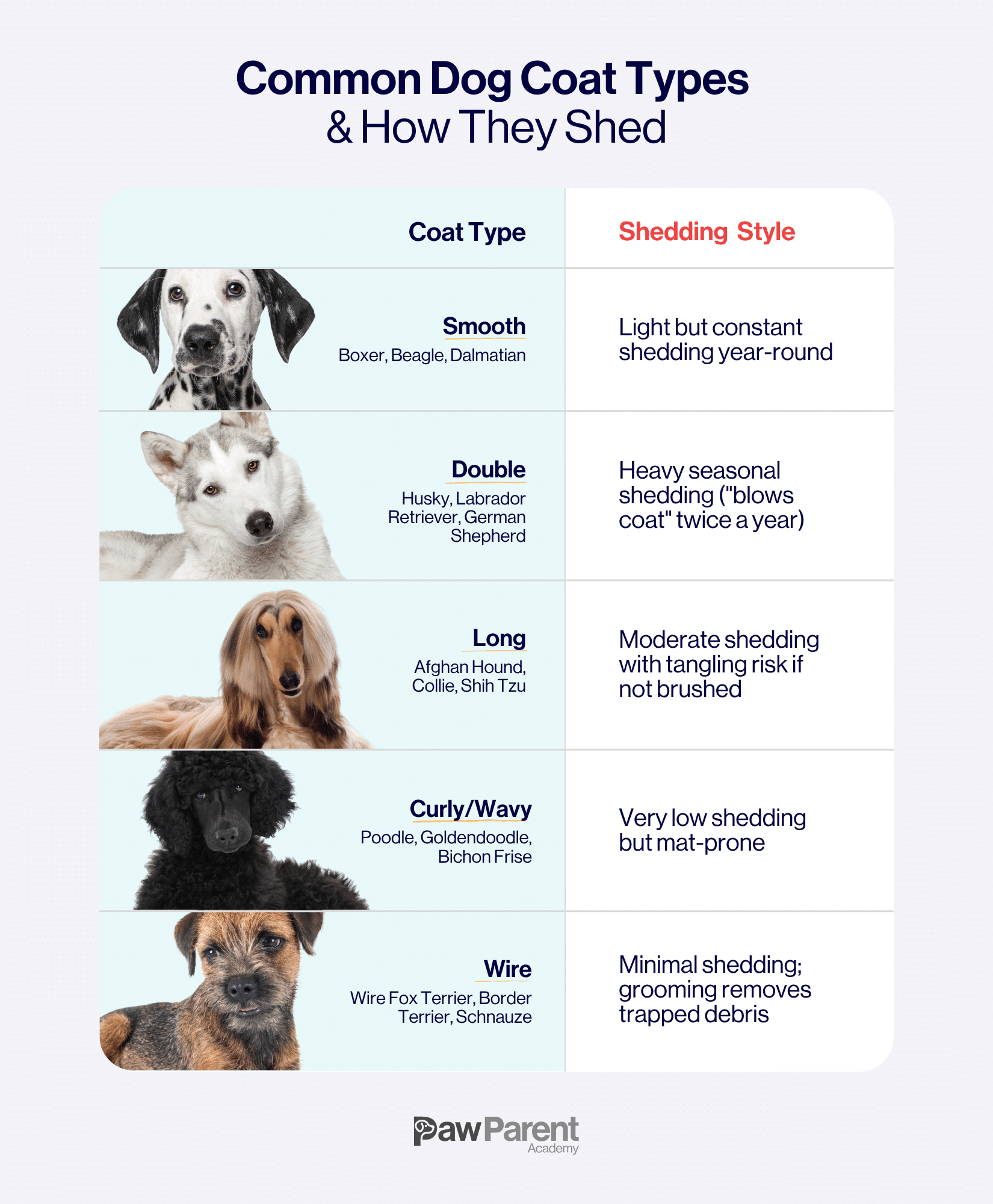
Seasonal shedding is a normal, biological process that many dogs experience, especially those with double coats. Typically, dogs shed more heavily in spring and fall as they prepare for the upcoming weather—losing their winter coat in the warmer months and shedding their lighter summer coat in the fall. This natural cycle is driven by changes in daylight and temperature, which influence the hair growth cycle, known as the hair cycle phases: anagen (growth), catagen (transition), and telogen (resting). During the telogen phase, hair falls out, making room for new growth.
Beyond the seasonal cycle, factors like breed, age, health, nutrition, and environment can influence shedding patterns. For example, breeds such as Labrador Retrievers, German Shepherds, and Siberian Huskies are known for heavy shedding, especially during seasonal transitions. Conversely, dogs with single coats or hair types that shed less, like Poodles or Shih Tzus, shed minimally but still require regular grooming. Health issues like allergies, skin infections, or hormonal imbalances can also cause abnormal shedding, so it’s important to monitor your dog’s overall health and consult your veterinarian if shedding seems excessive or unusual.
Understanding these patterns helps pet owners set realistic expectations and plan grooming routines accordingly. Recognizing that shedding is a natural part of your dog’s life enables you to approach coat care with patience and consistency. Proper knowledge about why and when shedding occurs allows you to tailor your grooming practices and home cleaning efforts, making the process less stressful for both you and your dog.
Effective Brushing Techniques to Minimize Shedding and Promote Coat Health
Brushing is perhaps the most effective tool for managing seasonal shedding and maintaining a healthy coat. Regular brushing removes loose hair before it falls around your home and helps distribute natural oils across your dog’s skin, promoting a shiny, healthier coat. For dogs with dense or double coats, daily brushing during peak shedding seasons can significantly reduce the amount of hair shed in your environment and prevent matting or tangles.
Start by choosing the right brush for your dog’s coat type—slicker brushes work well for dense coats, while de-shedding tools like the Furminator are excellent for removing loose undercoat hair. When brushing, use gentle, long strokes following the direction of hair growth to avoid irritating the skin. Focus on areas prone to matting, such as behind ears, underarms, and around the tail. Pay attention to your dog’s comfort; if they become anxious or sensitive, take breaks and offer praise to make grooming a positive experience.
In addition to brushing, incorporating deshedding techniques like using specialized grooming tools can drastically cut down on loose hair. For instance, the use of a de-shedding tool can remove up to 90% of loose hair in one session. Always brush your dog outdoors or in a designated grooming area to contain loose hair, and consider clipping nails and checking ears as part of your grooming routine. Consistency is key—regular brushing not only reduces shedding but also improves blood circulation and fosters a stronger bond between you and your furry friend.
Choosing the Right Grooming Products for Seasonal Coat Care
Selecting the appropriate grooming products is essential for effectively managing your dog’s seasonal shedding while protecting their skin and coat. First, invest in high-quality brushes and combs suited for your dog’s coat type—this investment pays off in healthier, less shed-filled hair. Additionally, grooming shampoos formulated for seasonal coat care can help soothe dry or irritated skin caused by increased shedding or environmental factors.
Look for shampoos that contain natural ingredients like oatmeal, aloe vera, or coconut oil, which can hydrate the skin and reduce itchiness. For dogs with sensitive skin, hypoallergenic or hypoallergenic formulas are preferable to prevent irritation. Some shampoos also contain de-shedding agents that help loosen and eliminate loose undercoat hair during bath time. Remember, over-bathing can strip natural oils, so stick to a bathing schedule that aligns with your dog’s needs—typically once every 4-8 weeks during heavy shedding periods.
Conditioners and finishing sprays can also support coat health by maintaining moisture balance and preventing dryness or flakiness. When selecting grooming products, always read labels carefully and consult your veterinarian if your dog has underlying skin issues or allergies. The right products, combined with proper grooming techniques, can make a noticeable difference in managing shedding and keeping your pet’s coat healthy and resilient.
Maintaining a Clean Home During Peak Shedding Seasons
Managing the influx of shed hair during peak seasons requires proactive home maintenance strategies. Start by establishing a regular cleaning routine—vacuuming carpets, rugs, and upholstery at least twice a week can significantly cut down on pet hair accumulation. Use a vacuum equipped with a HEPA filter designed for pet hair to capture fine dander and hair more effectively. Don’t forget to wash your dog’s bedding, plush toys, and soft furnishings regularly to prevent a buildup of loose hair and skin flakes.
In addition to vacuuming, utilizing lint rollers or pet hair removers on clothing and furniture makes daily cleanup quicker and easier. Consider investing in slipcovers or washable covers for couches and beds, which can be easily removed and cleaned. Air purifiers with HEPA filters can also help reduce pet dander and hair particles floating in the air, improving overall indoor air quality, especially for allergy-prone individuals.
Consistency and organization are key. Establish designated grooming and cleaning zones, and keep grooming tools accessible so you can quickly remove loose hair before it spreads around your home. Maintaining a clutter-free environment and frequent cleaning not only keeps your living space cleaner but also contributes to your dog’s comfort and overall health by reducing allergens and skin irritants that might be exacerbated during heavy shedding seasons.
Additional Tips for Managing Excess Hair and Ensuring Your Dog’s Comfort
Managing your dog’s seasonal shedding goes beyond grooming and cleaning—it’s about ensuring your pet’s comfort and well-being. Regular hydration and a balanced diet rich in omega fatty acids can support healthy skin and coat, reducing excessive shedding caused by dryness or nutritional deficiencies. Consult your veterinarian to determine if supplements like fish oil could benefit your dog, especially during heavy shedding periods.
Providing a cool, comfortable environment is also important, particularly if your dog is shedding more than usual or has thick fur that traps heat. Use cooling mats or fans during warmer months, and ensure your dog is not overdressed or kept in a stuffy space. Additionally, monitor your pet for signs of skin irritation, allergies, or discomfort, and seek veterinary advice if you notice redness, bald patches, or excessive scratching. These could be signs of underlying health issues that need addressing.
Finally, make grooming a positive experience for your dog by incorporating treats, praise, and gentle handling. Regular exercise and mental stimulation can help reduce stress, which sometimes aggravates shedding. Remember, patience and consistency are key. Managing seasonal shedding effectively involves a combination of proper grooming, home care, diet, and attentive observation, all aimed at keeping your dog comfortable, healthy, and happy.
Conclusion
Managing your dog’s seasonal shedding isn’t just about keeping hair off your furniture; it’s a vital part of caring for your pet’s health and happiness. Understanding your dog’s shedding patterns helps you plan effective grooming routines, while choosing the right products and techniques ensures the process remains comfortable for your furry friend. Regular brushing, targeted home cleaning, and supportive nutrition all play crucial roles in minimizing excess hair and maintaining a healthy coat.
By adopting these expert tips, you can reduce the stress and mess associated with seasonal shedding and provide your dog with a more comfortable, itch-free life. Remember, patience and consistency are your best allies in this journey. With a little effort and the right approach, managing your dog’s shedding can become a smooth part of your pet care routine—leaving both your home and your dog happier during every season!