


How to Clean Your Ears Safely and Comfortably at Home
Our ears are vital for hearing, balance, and overall well-being. Despite their importance, many people overlook proper ear hygiene or try to clean their ears using unsafe methods, leading to discomfort or even damage. If you’re wondering how to keep your ears clean without risking harm, you’re in the right place. This guide will walk you through understanding ear anatomy, effective and safe cleaning techniques, common mistakes to avoid, when to see a professional, and tips for maintaining healthy ears. Let’s dive into the essentials of ear care to help you stay comfortable and safe.
Understanding Ear Anatomy and the Importance of Safe Ear Hygiene
Your ears are complex organs made up of three main parts: the outer ear, middle ear, and inner ear. The outer ear, which includes the pinna (the part you see) and the ear canal, is responsible for capturing sound waves. The ear canal is lined with tiny hairs and ceruminous glands that produce earwax, or cerumen, which plays a crucial role in trapping dirt, dust, and bacteria, preventing infections, and maintaining ear health.
Understanding this anatomy is key to appreciating why safe ear hygiene matters. Earwax isn’t just waste; it’s a self-cleaning agent that protects your eardrum and keeps debris out of sensitive parts of the ear. Over-cleaning or improper removal can disrupt this natural process, leading to problems like earwax impaction, discomfort, or even infections. Recognizing that the ears are self-cleaning organs helps reinforce that cleaning should be gentle and infrequent, focusing on maintaining rather than removing all wax.
Furthermore, the ear canal is delicate and sensitive. Its skin is thin, and the structures inside are vital for hearing and balance. Inserting objects like cotton swabs deep into the canal can cause scratches, impaction, or even puncture the eardrum. Knowing how your ears function and their natural cleaning process underscores the importance of safe cleaning practices that respect their anatomy and function.
Effective Techniques for Gentle Ear Cleaning at Home
Cleaning your ears at home can be simple, provided you use the right techniques and tools. The goal is to remove excess wax gently without disturbing the ear’s natural self-cleaning process. One of the most common and safest methods involves softening earwax with warm water or mineral oil. Applying a few drops of warm olive oil, baby oil, or specialized ear drops can help loosen wax, making it easier to naturally exit the ear canal over time.
After softening the wax, the safest technique is external wiping. Use a damp, soft washcloth to gently wipe around the outer ear (pinna and outer ear canal opening). Avoid inserting anything deep into the ear canal. If you prefer using ear irrigation, fill a bulb syringe with warm (not hot) water and gently flush the ear canal while tilting your head to the side. This method can help dislodge softened wax, but it should be done cautiously and only if you have no eardrum perforation or ear infections.
For those who feel uncomfortable or unsure, over-the-counter earwax removal kits containing carbamide peroxide or other ear cleansing solutions can be effective. Always follow the instructions carefully—never force a solution into your ear or use excessive amounts. Consistency is key: gentle, infrequent cleaning combined with natural wax removal is usually enough to keep your ears healthy and comfortable.
Common Mistakes to Avoid When Cleaning Your Ears
Many people unknowingly make mistakes that can harm their ears or worsen wax buildup. The most common error is using cotton swabs (Q-tips) to clean the ear canal. While tempting, inserting cotton swabs pushes wax further in, leading to impaction or even damage to the eardrum. Cotton swabs are designed for external cleaning only, yet they’re often misused, creating a false sense of cleanliness while risking serious injury.
Another mistake is over-cleaning. Cleaning ears too frequently strips away natural wax, which acts as a protective barrier. Over-cleaning can result in dry, irritated skin and an increased likelihood of infections or ear discomfort. Remember, ears are self-cleaning organs—generally, cleaning once every few weeks or only as needed is sufficient. Excessive cleaning disrupts this natural process.
A third common mistake is using unsafe objects or harsh chemicals. Inserting sharp items like hairpins, paperclips, or fingernails can cause cuts or punctures. Similarly, using solutions not intended for ear cleaning, or attempting to remove impacted wax with makeshift tools, can lead to serious injury. Always prioritize safety by sticking to gentle, approved methods and avoiding risky practices.
When to Seek Professional Assistance for Ear Care
While routine cleaning can often be done safely at home, there are situations where professional medical help is necessary. If you experience symptoms such as intense ear pain, sudden hearing loss, dizziness, or persistent itching, it’s time to consult an ear specialist. These could indicate infections, a ruptured eardrum, or impacted wax that requires professional removal.
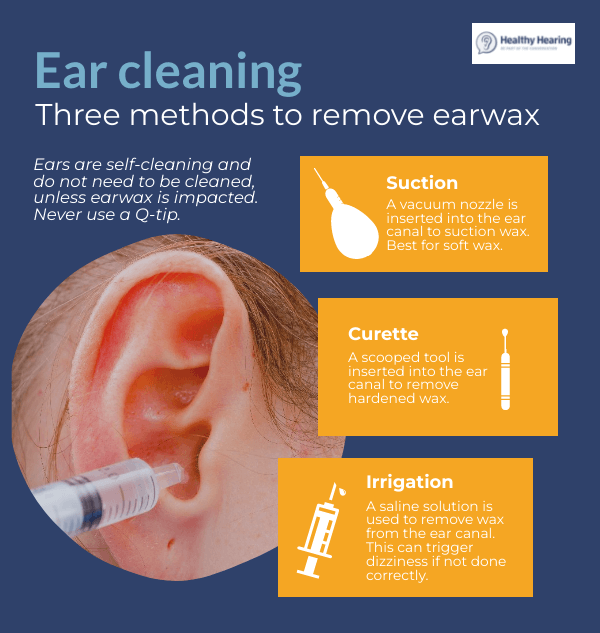
Individuals with a history of ear surgeries, eardrum perforation, or tubes should avoid attempting to clean their ears independently. In such cases, improper cleaning can lead to complications. Additionally, if you’ve attempted at-home methods and notice no improvement or worsening symptoms, seeing a healthcare provider is essential. Professionals can perform safe, effective earwax removal using specialized tools like curettes or irrigation devices, minimizing the risk of injury.
Consulting an audiologist or ENT specialist is also advisable for persistent ear discomfort, recurrent infections, or if you suspect foreign objects lodged inside the ear canal. Remember, professional ear care is a safe choice when in doubt—trusting experts ensures your ears stay healthy and functional.
Tips for Maintaining Ear Health and Preventing Discomfort
Prevention is always better than treatment when it comes to ear health. Simple lifestyle habits and awareness can help prevent common issues like wax buildup, infections, and discomfort. First, avoid inserting objects into your ears, including cotton swabs, bobby pins, or fingers. Let your ears clean themselves naturally, and only clean the external ear when necessary.
Practicing good hygiene involves keeping your ears dry and clean. After swimming or bathing, gently dry your ears with a towel or use a hairdryer on a low, cool setting to remove excess moisture. Moisture in the ear canal can promote bacterial growth, leading to swimmer’s ear or other infections. If you’re prone to ear infections, consider using earplugs during water activities to prevent water from entering the canal.
Finally, pay attention to your overall health. Maintaining good immune health, avoiding loud noises, and managing allergies can significantly impact ear health. Regular check-ups with your healthcare provider can help catch potential issues early, ensuring your ears remain healthy and comfortable for years to come. Incorporate these tips into your routine to enjoy clear hearing and comfortable ears without unnecessary worry.
In Conclusion
Cleaning your ears safely and comfortably at home involves understanding their anatomy, using gentle techniques, avoiding common mistakes, knowing when professional help is needed, and practicing preventive care. Remember, ears are self-cleaning organs designed to stay healthy without frequent interference. When in doubt, seek advice from healthcare professionals to avoid causing damage. By following these guidelines, you can maintain healthy ears, prevent discomfort, and enjoy good hearing for many years. Your ears deserve gentle and respectful care—take the time to prioritize their health today!