


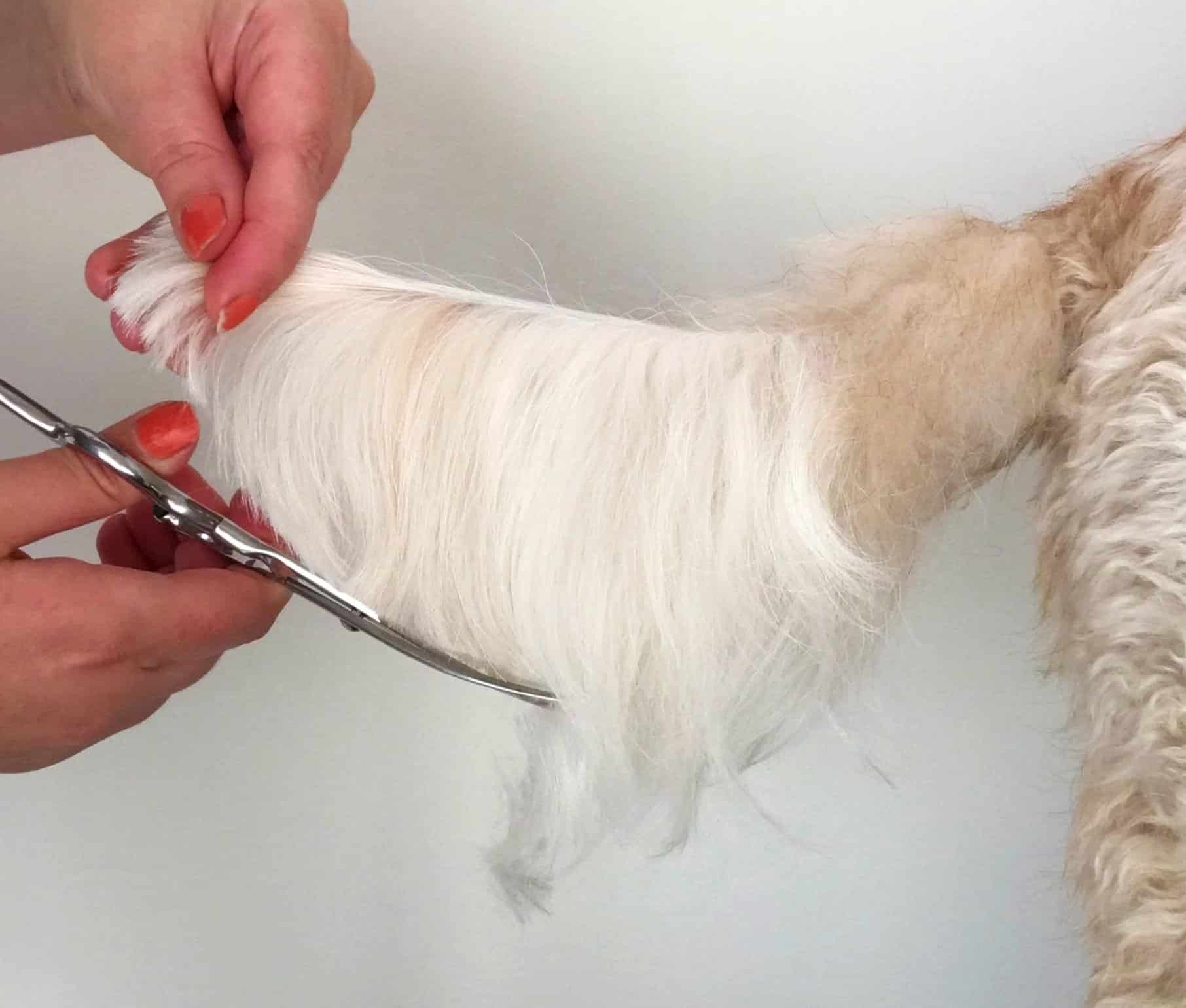
How to Clip Your Dog’s Tail Fur: Essential Tips for Pet Owners
Grooming is an essential part of responsible pet ownership, and when it comes to maintaining your dog’s health and appearance, trimming tail fur often gets overlooked. However, properly clipping your dog’s tail fur can prevent matting, reduce discomfort, and keep your pet looking sharp. Whether you’re a new dog owner or just looking to improve your grooming routine, understanding the proper techniques and tools can make all the difference. In this article, we’ll dive into everything you need to know about trimming your dog’s tail fur—from understanding its importance to managing sensitive or anxious pets—so you can confidently maintain your furry friend’s tail with ease and safety.
Understanding the Importance of Tail Fur Grooming for Dogs
Dog tail fur isn’t just about aesthetic appeal; it plays a vital role in your pet’s overall health and comfort. For many breeds, especially those with long or thick tails like Poodles, Golden Retrievers, or Yorkshire Terriers, tail fur can easily become tangled or matted if not maintained properly. Mats can trap dirt, bacteria, and moisture, which increases the risk of skin infections or irritation. Regular grooming helps prevent these issues and keeps your dog comfortable, particularly in warmer months when excess fur can trap heat and cause discomfort.
Beyond hygiene, tail fur grooming is also crucial for your dog’s emotional well-being. Dogs communicate visually through their tails, and a well-maintained tail can help express their moods more clearly. Additionally, some breeds have tail fur that grows long enough to interfere with their movement or eyesight if left untrimmed. Careful clipping ensures that your dog’s tail remains functional and free of debris, reducing the likelihood of skin problems. Recognizing the importance of tail grooming encourages responsible and consistent care, which ultimately contributes to your dog’s happiness and health.
Moreover, improper or neglectful grooming can lead to more serious issues over time. Excess fur can cause chafing or rubbing, leading to hot spots, sores, or infections. For dogs prone to allergies or skin sensitivities, long fur can trap allergens and irritants, aggravating their condition. Regularly clipping tail fur, when done correctly, helps maintain a healthy coat and prevents discomfort or health complications. It’s an essential part of your dog’s grooming routine that promotes both physical health and emotional bonding through caring attention.
Selecting the Right Tools and Supplies for Tail Fur Trimming
Choosing the appropriate grooming tools is essential to make tail fur clipping safe and effective. High-quality grooming scissors with rounded tips are ideal for precise trimming without risking accidental cuts. These scissors should be sharp enough to trim through thick or curly fur comfortably but also designed with rounded edges to prevent injuries. A pair of thinning scissors can help blend shorter fur with longer patches, giving a more natural look and preventing harsh lines. For breeds with particularly dense or coarse fur, grooming clippers or trimmers with adjustable blades can significantly speed up the process.
In addition to scissors and clippers, a good-quality brush or comb suited to your dog’s coat type is indispensable. A slicker brush or pin brush works well for detangling long or curly tail fur, helping to remove mats and loose hair before trimming. Use a wide-tooth comb to gently work through any stubborn tangles, which reduces the risk of pulling or discomfort during cutting. It’s also helpful to have some detangling or conditioning spray, especially for dogs with thick or curly fur, as it softens the hair and makes grooming easier. Never forget to have grooming gloves or a towel on hand to keep your dog comfortable and to clean up loose fur afterward.
Safety is paramount, so consider investing in grooming supplies like a grooming mat or non-slip surface to keep your dog steady during the session. A spray bottle with water can help dampen the fur, making it easier to cut and reducing static or flyaways. For sensitive or anxious dogs, calming sprays or pheromone diffusers can help keep them relaxed. Lastly, always have clean, disinfected tools to prevent the spread of bacteria or skin infections. Proper tools and supplies not only make the grooming process smoother but also ensure your dog’s safety and comfort throughout the experience.
Step-by-Step Techniques for Safe and Effective Tail Fur Clipping
Grooming your dog’s tail fur requires patience and attention to detail. Begin by calming your dog and creating a relaxed environment—use treats, gentle petting, or soothing words to ease any anxiety. Before trimming, thoroughly brush the tail to remove any mats or tangles, which can be painful if cut through. Damped fur is easier to cut, so lightly mist the tail with water if needed. Start by trimming the fur along the edges of the tail, working slowly to avoid cutting too much at once.
Use the grooming scissors for small, controlled cuts—begin with conservative trims, especially if you’re new to grooming. For breeds with longer, thicker fur, a clipper with an appropriate blade length may be more efficient. When trimming, start from the base of the tail and work outward, following the natural shape of the tail for a uniform appearance. Be cautious around the sensitive skin near the tail’s base and avoid pulling or tugging on the fur. If your dog is particularly anxious, take frequent breaks and reward good behavior with treats or praise.
Blending and shaping are crucial to achieving a natural look. Use thinning scissors to soften harsh lines or uneven patches. If you’re unsure, it’s better to trim less initially—you can always take off more if needed. After trimming, check your work with a comb to ensure an even finish and to catch any missed patches. Finish by cleaning the tail and surrounding area, and offer your dog additional praise or treats to reinforce positive associations. Remember, patience and practice make perfect, and over time, grooming will become a more relaxed and enjoyable routine for both you and your dog.
Maintaining Tail Fur Health and Preventing Common Grooming Issues
Regular maintenance is key to keeping your dog’s tail fur healthy and free of problems. Schedule grooming sessions at least every 4-6 weeks, depending on your dog’s breed and fur length. Consistent brushing helps prevent matting and reduces the likelihood of skin irritation or infection. Pay particular attention to areas where fur tends to tangle, such as behind the ears or along the underside of the tail. Using the right brush and detangling sprays can make this process easier and less stressful for your dog.
Preventing common grooming issues involves a proactive approach. Keep an eye out for signs of skin irritation, redness, or excessive dryness, which may indicate allergies or other health problems. If you notice mats forming, gently work them out with a detangling spray or seek professional grooming assistance. Also, ensure that your dog’s fur isn’t trapping dirt, debris, or parasites. Regular bathing with suitable dog shampoos, combined with thorough drying after baths, helps maintain a clean coat. Drying is especially important to prevent fungal or bacterial growth in damp fur.
Implementing proper grooming techniques and routine checks contributes to overall health. Trim your dog’s tail fur with care to avoid cutting into the skin, which can lead to infections. Use a gentle touch and avoid rushing through the process. Additionally, keeping your dog’s diet balanced with proper nutrition supports healthy fur growth. If you notice persistent skin issues or abnormal hair loss, consult your veterinarian promptly. Prevention and early intervention are vital for your dog’s comfort and well-being.
Tips for Managing Sensitive or Anxious Dogs During Grooming Sessions
Grooming can be stressful for some dogs, especially those with sensitive or anxious temperaments. To make tail fur clipping a positive experience, start by creating a calm and quiet environment. Use soft music or calming scents like lavender to soothe your dog. Gradually introduce grooming tools by allowing your dog to sniff and investigate them without any pressure. If your dog is particularly nervous, consider short, frequent sessions rather than one long grooming ordeal to build trust and comfort.
Positive reinforcement is key to managing anxiety. Reward your dog with treats, praise, or playtime after each small step—whether it’s accepting the brush, sitting still, or allowing a trim near the tail. Keep sessions brief initially, and never force your dog into a position that causes distress. If your dog becomes overly anxious, take a break, and try again later or on another day. Using a calming spray or pheromone diffuser can also help reduce tension and improve cooperation during grooming.
For very sensitive or reactive dogs, enlisting the help of a professional groomer or canine behaviorist might be beneficial. They have specialized techniques to work with anxious pets and can teach you how to handle grooming at home more effectively. Remember, patience and gentle handling are essential; rushing or using force can damage your trust and make future grooming sessions more difficult. Your goal should be to make grooming a safe, positive experience—so your dog feels comfortable and relaxed each time their tail fur needs trimming.
Conclusion
Properly clipping your dog’s tail fur is an important aspect of responsible pet care that promotes health, hygiene, and happiness. By understanding the significance of tail grooming, selecting the right tools, mastering effective techniques, and maintaining your dog’s coat health, you set the stage for a stress-free grooming routine. Managing sensitive or anxious dogs requires patience and positive reinforcement, transforming grooming into a bonding experience rather than a chore. Remember, consistent care and gentle handling ensure your dog’s tail remains beautiful, healthy, and comfortable. So, take your time, stay informed, and enjoy the rewarding process of keeping your furry friend looking and feeling their best.