


How to Create a Safe and Effective Bathing Routine for Your Dog
Bathing your dog is more than just a quick wash; it’s an essential aspect of pet care that promotes health, comfort, and happiness. When done correctly, a bath can help keep your dog’s coat shiny, skin healthy, and odor at bay. However, many pet owners find the process intimidating or worry about causing discomfort or even injury to their furry friends. The key to a successful bathing routine lies in understanding your dog’s specific needs, preparing adequately, and following a careful, consistent process. This guide will walk you through everything you need to know—from assessing your dog’s bathing needs to establishing a routine that keeps your dog clean, comfortable, and happy.
Assessing Your Dog’s Bathing Needs and Frequency
Every dog is unique, and their bathing routine should reflect their breed, coat type, skin condition, and lifestyle. Understanding these factors is vital in determining how often you should bathe your dog. For example, dogs with waterproof coats, like retrievers, might benefit from baths every 6-8 weeks. Conversely, dogs with sensitive skin, such as poodles or those prone to allergies, may require more specialized care or less frequent baths to avoid irritation. Additionally, active dogs who spend a lot of time outdoors or get dirty frequently may need more regular baths compared to indoor-only pets.
It’s equally important to pay attention to your dog’s specific odor and coat condition. Some dogs may develop a natural scent that doesn’t warrant frequent bathing, while others might develop an unpleasant smell due to skin infections or dirt buildup. Regularly inspecting your dog’s skin and coat can help you spot issues early—look for signs like excessive dryness, oiliness, flakes, or irritation. Consulting your veterinarian can also provide tailored advice, especially if your dog has skin conditions or allergies. Remember, over-bathing can strip essential oils and dry out your dog’s skin, leading to discomfort and health problems, while infrequent baths may result in dirt accumulation and bad odors.
Creating a bathing schedule tailored to your dog’s needs ensures their hygiene and comfort without causing unnecessary stress or skin issues. Incorporate your dog’s breed, age, activity level, and health status when planning their bath routine. Keep in mind that consistency is key—sticking to a routine helps your dog feel more comfortable and reduces anxiety associated with bath time. Ultimately, your goal is to find a balance that keeps your dog clean and healthy while being gentle and safe.
Preparing the Bathing Area and Gathering Essential Supplies
Before bringing your dog into the bathing area, proper preparation is crucial to ensure a smooth, stress-free experience—for both you and your pet. Choose a location that is quiet, comfortable, and easily accessible, such as a bathtub, a walk-in shower, or a dedicated dog bathing station. If you’re using a bathtub, placing a non-slip mat inside can prevent your dog from slipping and feeling insecure. Ensuring the area is free of hazards or clutter will help you maintain control and safety throughout the process.
Gather all necessary supplies before starting the bath. Essential items include dog-specific shampoo, a conditioner if needed, a brush or comb suitable for your dog’s coat type, towels, and a gentle spray or showerhead for rinsing. Consider using a detachable showerhead to make rinsing easier and more thorough, especially in hard-to-reach areas. Pet-safe wipes or grooming sprays can be handy for quick cleanups or touch-ups. Having everything within arm’s reach minimizes interruptions and keeps your dog calm, as they won’t need to wait while you search for supplies.
Additionally, consider environmental factors such as water temperature—lukewarm water is optimal to prevent discomfort or burns—and safety precautions like unplugging electrical appliances away from water. If your dog is particularly anxious or resistant to baths, you might want to introduce calming aids, such as pheromone sprays or treats, to make the experience more positive. Proper preparation can turn a potentially stressful event into a safe, comfortable, and even enjoyable routine that strengthens your bond with your furry friend.
Step-by-Step Guide to Bathing Your Dog Safely and Effectively
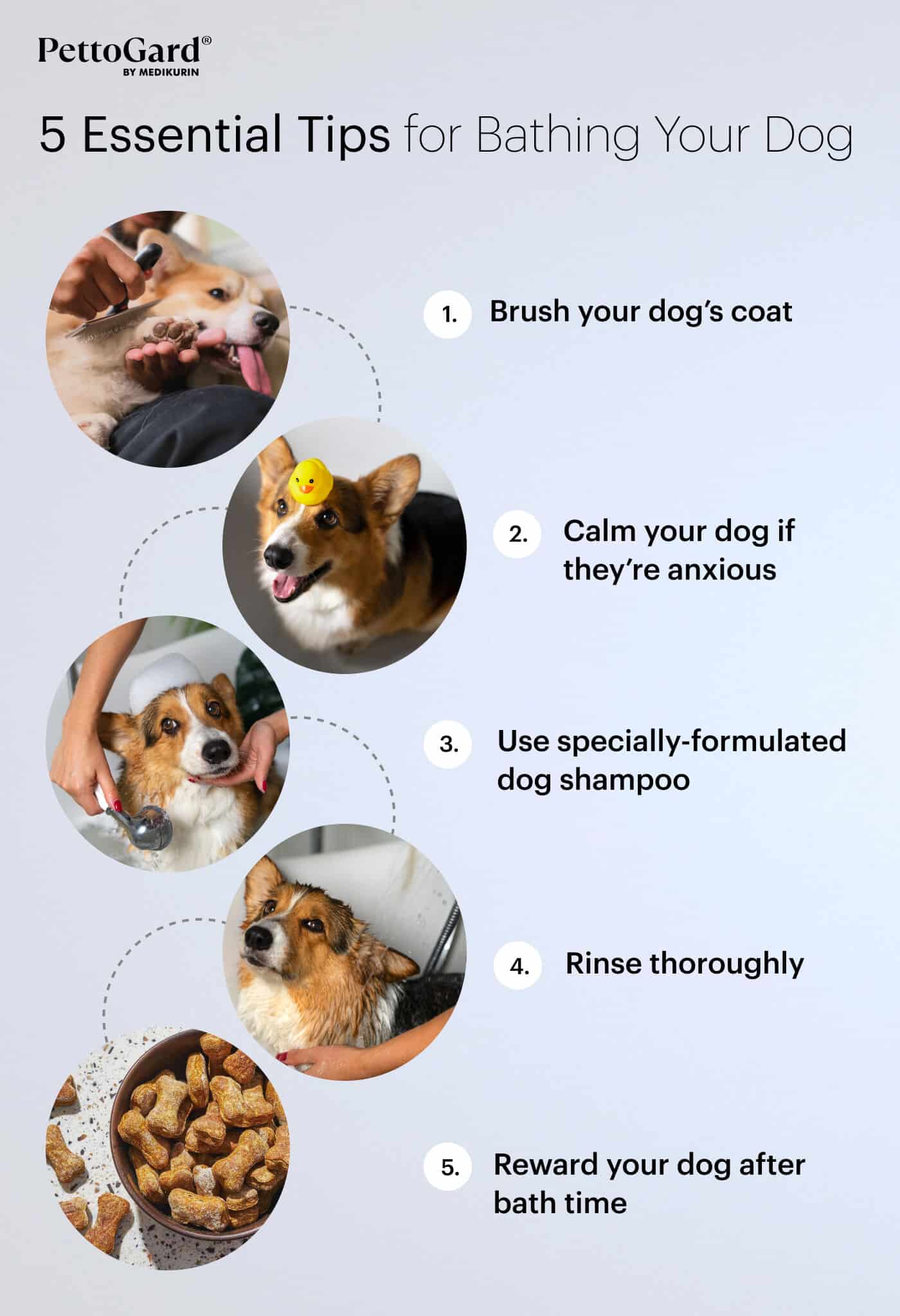
A structured approach makes bath time easier and safer for your dog. Start by gently securing your dog with a leash or harness to prevent sudden movements, especially if they’re nervous or uncooperative. Before wetting, brush your dog thoroughly to remove loose hair, mats, and dirt—this step not only makes washing more effective but also reduces tangles later on. Use a brush suitable for your dog’s coat type, whether it’s a slicker brush for dense coats or a pin brush for longer hair.
Next, wet your dog gradually with lukewarm water, starting from the neck and working downwards. Avoid pouring water directly on the head to prevent water from entering the ears and eyes. Instead, use a damp cloth or gentle spray to clean the face. Apply a small amount of dog shampoo, lathering gently and thoroughly over the body while avoiding the head, ears, and eyes. Remember, human shampoos are not safe for dogs—always choose a product formulated for canine skin, which balances pH levels and minimizes irritation.
Rinse your dog thoroughly, ensuring no soap residue remains, as leftover shampoo can cause itching or dryness. For dogs prone to skin issues, consider applying a medicated or hypoallergenic shampoo recommended by your veterinarian. During the process, speak softly and praise your dog to create a positive experience. Once rinsed, gently squeeze excess water from the coat and check for any signs of skin irritation or abnormalities. Proper rinsing and handling are essential to prevent discomfort and set the stage for a successful grooming session.
Tips for Drying, Brushing, and Post-Bath Care to Maintain Coat Health
After bathing, proper drying is just as important as the wash itself. Towel drying is the quickest method, but for long-haired or thick-coated breeds, a blow dryer set on a low, cool setting can help remove excess moisture and prevent matting. Always keep the dryer moving to avoid overheating your dog’s skin, and maintain a safe distance to prevent burns. Be patient and gentle to avoid startling your dog—some may find the noise or sensation intimidating. Using a calming voice or treats can help make the drying process more pleasant.
Brushing your dog after a bath helps smooth out any tangles and removes loose hair, dirt, and residual shampoo or conditioner. It also stimulates blood circulation and promotes a healthy coat. For breeds with longer or curly hair, regular brushing prevents mats and reduces shedding around the house. Use a brush or comb suited for your dog’s coat type and be gentle around sensitive areas like the belly and behind the ears. If you encounter mats, work slowly and carefully to avoid hurting your dog, and consider seeking professional grooming help if needed.
Post-bath care extends beyond drying and brushing. Apply a dog-specific conditioner or coat spray to add moisture and shine, especially for dogs with dry or sensitive skin. Check your dog’s ears, eyes, and nails after the bath, cleaning or trimming as necessary. Regularly inspecting your dog’s skin helps catch early signs of infections, fleas, or skin conditions. Maintaining a consistent grooming routine that includes bathing, brushing, and skin checks keeps your dog’s coat healthy, vibrant, and comfortable, preventing common issues and ensuring their well-being.
Establishing a Regular Bathing Schedule for Optimal Hygiene and Comfort
Consistency is key to maintaining your dog’s health and happiness through an appropriate bathing schedule. Establishing a routine that balances cleanliness with skin health prevents over-bathing, which can strip natural oils and cause dryness or irritation. Consult your veterinarian for personalized recommendations, especially if your dog has allergies, skin conditions, or specific coat needs. For most dogs, a bath every 4-8 weeks is sufficient, but active or outdoor dogs might require more frequent cleaning.
A regular schedule also helps your dog become accustomed to bath time, reducing anxiety and making the process smoother. Incorporate additional grooming activities like brushing or dental care to build a positive routine that your dog looks forward to. Remember that seasonal changes, weather, and health status can influence bathing needs—hot, humid climates or allergy seasons may necessitate more frequent baths or special products. Adjust your routine accordingly and watch for signs that your dog needs a bath sooner, such as foul odor, excessive dirt, or discomfort.
Finally, making bath time a positive experience with treats, praise, and gentle handling fosters trust and cooperation. Use this routine as an opportunity to check your dog for any health issues, such as skin irritations, bumps, or parasites. By establishing a well-balanced, consistent bathing routine, you help ensure your dog remains clean, comfortable, and healthy—a foundation for a happy life together.
Conclusion:
Creating a safe and effective bathing routine for your dog is a vital part of responsible pet ownership. By assessing your dog’s individual needs, preparing the right environment and supplies, following a careful bathing process, and maintaining post-bath care and regular schedules, you can ensure your dog stays clean, comfortable, and healthy. Remember, patience, positive reinforcement, and consistency are your best tools to turn bath time into a bonding experience rather than a chore. With these tips, you’ll be well on your way to providing your furry friend with a grooming routine that supports their overall well-being and happiness.