


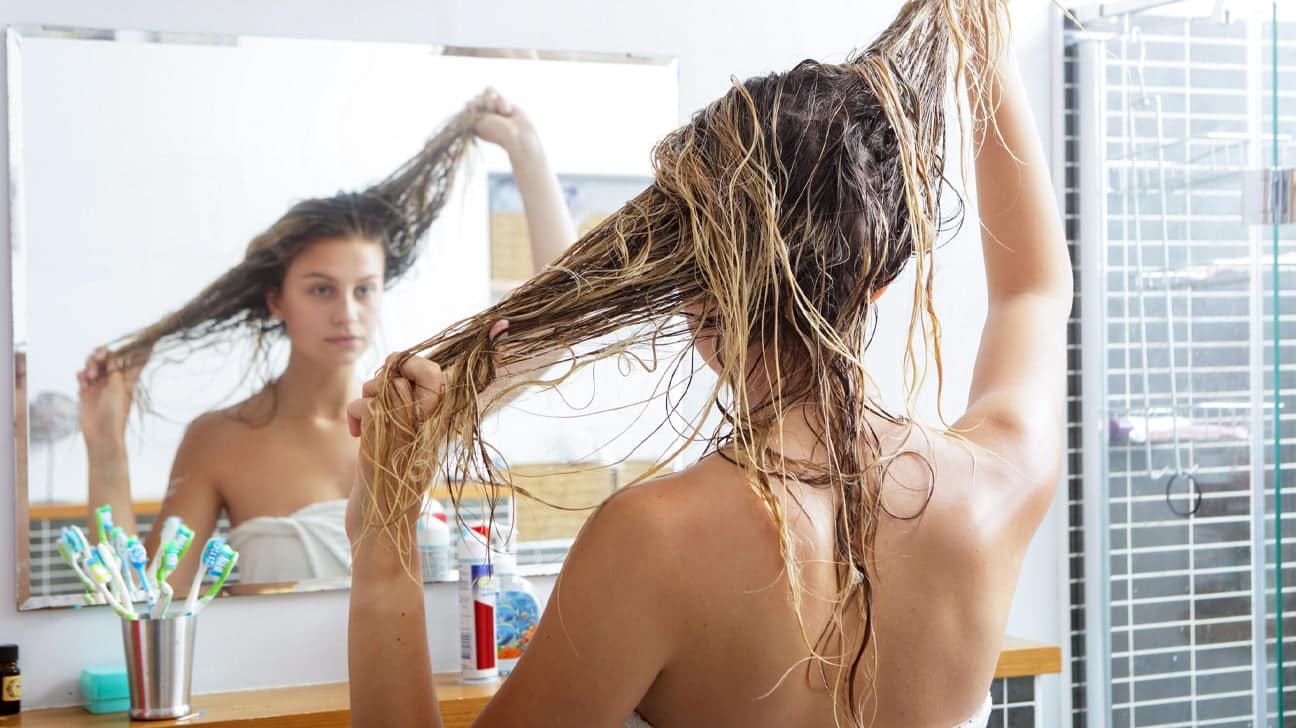
How to Detangle Matted Hair During Washing: Tips for Easier Management
Dealing with matted hair can be an absolute nightmare, especially when it happens during washing. Not only does it make the process painful and time-consuming, but it can also cause damage to your hair if not handled carefully. Whether you have curly, straight, or textured hair, understanding how to manage and detangle matted hair effectively is essential for maintaining healthy, manageable locks. In this article, we’ll explore the root causes of hair matting, how to prepare your hair before washing, step-by-step techniques to detangle safely, and practical tips to prevent future tangles. By the end, you’ll be equipped with everything you need to tackle matted hair with confidence and care.
Understanding the Causes and Signs of Matted Hair
Matted hair occurs when strands become tangled and intertwined, forming knots or clumps that are difficult to separate. Several factors can contribute to this condition, and recognizing the early signs can help you address the issue before it worsens. One common cause of matting is lack of regular detangling; when hair isn’t brushed or combed regularly, knots can develop gradually. Excessive product buildup, like heavy conditioners or styling gels, can also cause strands to stick together, leading to tangles over time. Additionally, sleeping on untreated, tangled hair or wearing hairstyles that cause friction—like tight braids or ponytails—can accelerate matting.
Environmental factors play a significant role in hair matting as well. Humidity and exposure to wind can cause hair to frizz and tangle more easily, especially for those with curly or coarse textures. Dry or damaged hair is prone to breakage and knot formation because the cuticles become rough and uneven, catching onto other strands. Recognizing signs such as persistent knots, excessive tangles after washing, or hair that feels rough and brittle can alert you to underlying issues that need attention.
Understanding the difference between normal tangles and severe matting is crucial. Light tangles are usually easy to remove with gentle brushing, while matted hair involves tightly knotted sections that resist combing and can cause discomfort or scalp irritation. If you notice your hair is pulling or snagging when you gently run your fingers through it, or if you see clusters of tangled hair that won’t loosen, it’s a sign that careful detangling methods are needed to prevent further damage.
Preparing Your Hair for Detangling Before Washing
Preparation is the key to successfully detangling matted hair, and doing it before washing can make a significant difference. Start by gently loosening the surface tangles with your fingers or a wide-tooth comb, working from the tips upward to reduce pulling and breakage. Applying a lightweight detangling spray or leave-in conditioner at this stage can help lubricate the strands, making them easier to separate without causing stress on your hair. These products work by softening the knots and reducing friction, which is especially helpful for thick or curly hair.
Another important step is to consider the timing of your wash. Detangling your hair when it is dry can be more effective because wet hair is more fragile and prone to breakage. However, if your hair is severely matted, soaking it in lukewarm water beforehand can help loosen some of the knots. Using a gentle, sulfate-free shampoo to cleanse the scalp and hair can also prevent buildup that contributes to tangling. Avoid vigorous scrubbing, as this can tighten knots and make detangling more difficult once you start washing.
Lastly, be patient and gentle during this preparatory phase. Rushing through detangling increases the risk of damaging your hair or causing scalp irritation. Use your fingers or a wide-tooth comb to carefully work through knots, starting at the ends and gradually working your way up. If you encounter particularly stubborn mats, do not force the comb through; instead, apply more detangler and proceed slowly. Proper preparation sets the foundation for a safer, less painful detangling process during washing.
Step-by-Step Techniques for Safely Detangling Matted Hair During Washing
Detangling matted hair during washing requires patience, gentle handling, and a systematic approach to prevent breakage. The first step is to ensure you’re using the right tools—preferably a wide-tooth comb or a detangling brush designed for fragile hair. Always start at the ends of your hair and work your way upward, gradually loosening knots rather than pulling through them abruptly. If you encounter resistance, stop and apply more conditioner or detangling spray, then gently work the knot apart.
A helpful technique is to divide your hair into sections, especially if you’re dealing with severe mats. Working one section at a time allows for more controlled detangling and minimizes the risk of creating more tangles. Use your fingers or a comb to gently tease apart the knots in each section. For particularly tight mats, applying a conditioner or specialized detangling treatment and letting it sit for a few minutes can soften the fibers, making detangling easier. Always be gentle and avoid yanking, as this can lead to hair breakage or scalp injury.
When washing the hair, opt for lukewarm water, and avoid rubbing or scrubbing the mats vigorously. Instead, gently massage your scalp and let the water flow through the strands, helping to loosen and rinse away any loosened knots. If necessary, repeat the detangling process in the shower or sink, applying more conditioner as needed. Once all mats are loosened and hair is thoroughly rinsed, follow up with a nourishing conditioner to hydrate and protect your strands. Pat your hair dry with a soft towel—never rub vigorously—to prevent further tangling or damage.
Best Hair Care Products and Tools for Managing Matted Hair
Choosing the right products and tools can make all the difference in detangling matted hair safely and effectively. A high-quality detangling spray or leave-in conditioner is essential for lubricating strands and reducing friction. Look for products containing natural oils like argan, coconut, or olive oil, which help soften hair and improve manageability. For extremely tangled hair, specialized detangling creams or serums designed for curly or coarse hair can provide extra slip and protection, making the process less painful.
When it comes to tools, a wide-tooth comb is your best friend for detangling matted hair. Its spaced teeth allow you to work through knots gently without pulling excessively on the hair. Detangling brushes with flexible bristles can also be effective, especially if they are designed for sensitive scalps. Avoid using fine-tooth combs or brushes with rigid bristles on severely matted hair, as they can cause unnecessary breakage and discomfort. Some people find that using a detangling comb in combination with their fingers yields the best results, offering both control and gentleness.
In addition to detangling-specific products, investing in a deep conditioning treatment or hair mask can help restore moisture and elasticity to damaged or dry hair. Regularly using a clarifying shampoo can prevent product buildup, a common contributor to tangling. Incorporate gentle, sulfate-free shampoos into your routine and follow with hydrating conditioners to maintain overall hair health. Remember, patience and gentle handling are crucial—harsh products or tools can worsen tangling or cause damage, especially in already matted hair.
Tips for Preventing Future Matting and Maintaining Healthy Hair
Prevention is always better than cure, especially when it comes to hair matting. Establishing a consistent hair care routine tailored to your hair type can dramatically reduce the chances of tangles forming. Regularly brushing or detangling your hair, ideally daily or every few days, helps prevent knots from becoming severe. Use a wide-tooth comb or a gentle detangling brush, and always start from the ends, working your way up to avoid pulling and causing breakage.
Moisturizing and conditioning your hair regularly is key to maintaining softness and smoothness. Incorporate leave-in conditioners, serums, or natural oils into your routine to keep your strands hydrated and less prone to tangling. Protective hairstyles like braids, buns, or loose styles can reduce friction and exposure to environmental elements that encourage matting. Additionally, avoid tight hairstyles that put stress on your scalp and hair strands, leading to damage and increased tangling over time.
Lastly, adopting good sleeping habits can prevent matting overnight. Use a satin or silk pillowcase, which reduces friction and prevents hair from snagging or tangling while you sleep. Detangle your hair thoroughly before bed to prevent knots from tightening overnight. Regular trims help eliminate split ends and prevent damage that can contribute to tangling. By integrating these habits into your routine, you can enjoy healthier, more manageable hair and avoid the frustration of severe matting during washing.
Conclusion
Managing matted hair during washing can seem daunting, but with the right knowledge and gentle techniques, you can make the process safer and less stressful. Understanding the causes and signs of hair matting allows you to take proactive steps to prevent and address tangles early. Preparation before washing, combined with careful, step-by-step detangling approaches, ensures minimal damage and discomfort. Using the appropriate products and tools—such as detangling sprays, wide-tooth combs, and nourishing conditioners—can significantly ease the process. Finally, adopting preventative habits like regular detangling, proper hydration, and protective styling will keep your hair healthy, shiny, and free from severe tangles.
Remember, patience and gentle handling are your best allies when dealing with matted hair. By incorporating these tips into your hair care routine, you’ll not only improve manageability but also promote overall hair health. If you’re persistent and consistent, you’ll find that detangling becomes a much simpler task—turning a frustrating ordeal into a manageable part of your beauty routine. Happy detangling!