


How to Groom Dogs That Roll in Grass or Dirt: Tips for Fresh, Clean Pets
If you’re a dog owner, you probably know the familiar scenario: after a romp in the yard or a walk through the park, your furry friend comes back covered in dirt, grass, or even mud. While this behavior is perfectly natural for dogs—rooted in their instincts and sensory pleasures—it can leave you wondering how to keep them clean and comfortable without discouraging their natural tendencies. Grooming dogs that love to roll in grass or dirt requires understanding their behavior, managing their grooming needs, and offering safe outlets for their instincts.
In this article, we’ll explore why dogs roll in grass or dirt, assess the benefits and potential risks, and provide effective techniques and alternatives to keep your pet fresh and healthy. Whether you’re a new dog owner or someone looking to improve your grooming routine, these insights will help you understand and manage this common behavior while maintaining your dog’s overall well-being.
Understanding Why Dogs Roll in Grass or Dirt for Grooming and Comfort
Dogs have a natural inclination to roll in grass, dirt, or other earthy surfaces, and this behavior traces back to their wild ancestors. One of the primary reasons dogs indulge in this activity is odor masking—by rolling in strong scents, they could cover their own smell to hunt or avoid predators. This instinct is still present in many breeds, especially those with hunting or tracking backgrounds, and it’s a way for dogs to connect with their primal roots.
Beyond odor masking, dogs also roll in grass or dirt for sensory stimulation. The different textures, smells, and temperatures provide a unique sensory experience that excites and entertains them. Additionally, some dogs use rolling as a way to relieve skin irritation or itchiness caused by allergies, fleas, or dry skin. It can also be a way for them to scratch an itch or distribute natural oils across their coat, which can help maintain skin health.
Another reason dogs love to roll is social behavior. When dogs encounter other dogs or new environments, rolling can be a form of communication or marking their territory. It’s also simply a fun activity that makes them feel good—like a doggy spa session, but in the great outdoors. Recognizing these motivations helps owners understand that this behavior is natural—not necessarily something to be suppressed completely, but something to manage appropriately.
Recognizing the Benefits and Potential Risks of Dirt and Grass Rubbing
While rolling in grass and dirt is instinctive and can have some benefits, it’s important for dog owners to recognize both the positive aspects and potential risks involved. On the benefits side, dirt and grass can provide natural exfoliation for your dog’s coat, helping to remove loose fur, dirt, and dead skin cells. Additionally, the natural scents from grass and earth can serve as mental enrichment, lowering stress and providing a sense of comfort.
However, there are risks associated with this behavior that can affect your dog’s health if not properly managed. For example, bacteria, fungi, or parasites present in contaminated soil or grass can lead to infections, skin irritations, or more serious health issues like leptospirosis or hookworm infestations. Dogs with sensitive skin or allergies are particularly vulnerable to developing skin problems after excessive rolling. Furthermore, rolling in areas contaminated with chemicals, pesticides, or toxic plants can pose serious health hazards.
Another concern is the potential for foreign objects like thorns, sharp grasses, or litter to get embedded in your dog’s coat or paws, which can cause discomfort or injury. Excessive rolling can also result in matting or skin irritation if dirt and debris are not regularly cleaned out. Recognizing these risks emphasizes the importance of monitoring your dog’s outdoor activities and maintaining a routine grooming schedule to mitigate health issues while respecting their natural behavior.
Effective Techniques to Manage and Minimize Excessive Rolling Behavior
If your dog’s rolling behavior becomes excessive or problematic, there are several effective strategies you can employ to manage it without suppressing their natural instincts. First, redirect their attention when you notice them starting to roll. Offering engaging toys, playing fetch, or practicing obedience commands can shift their focus to more constructive activities.
Implementing a consistent grooming routine is key. Regular baths, brushing, and skin checks help keep your dog’s coat clean and healthy, reducing the urge to roll due to itchiness or dirt accumulation. Using gentle, dog-specific shampoos with soothing ingredients can help alleviate skin irritation, decreasing the need for your dog to seek relief by rolling in dirt. Additionally, applying natural repellents or grooming sprays, such as citrus-scented sprays, can act as a subtle deterrent while being safe for your pet.
Another method is to limit outdoor access to areas prone to dirt or contamination—for example, restricting your dog’s time in muddy patches or heavily grassy fields after heavy rain or chemical treatments. You can also create a safe play zone with clean sand or mulch, giving your dog a designated area to roll or play without exposing them to harmful elements. Consistency and patience are vital, as stubborn behaviors take time to modify, but with positive reinforcement and proper management, you can help your dog enjoy outdoor activities safely.
Safe Alternatives and Toys to Satisfy Your Dog’s Natural Rolling Instincts
Instead of completely discouraging your dog’s natural instinct to roll, providing safe alternatives and engaging toys can satisfy their sensory needs in a healthy way. For example, interactive toys like puzzle feeders or textured rubber toys can stimulate their senses and keep them occupied, diverting attention from dirt or grass. Sensory mats with different textures and smells can also satisfy their curiosity safely indoors or in a designated outdoor space.
Offering a dog-safe scratching post or massage brush allows your pet to enjoy skin stimulation and relieve itchiness without the mess. Some owners find that water-based activities, such as supervised swimming or using a gentle sprinkler, can fulfill their dog’s need for sensory exploration without dirt. Additionally, natural soil or mulch boxes designed specifically for dogs—filled with clean, pet-safe materials—can give them a designated area to roll and stimulate their instincts in a controlled environment.
Lastly, incorporating training and positive reinforcement can help your dog understand boundaries around rolling. Reward them when they choose to engage with toys or participate in supervised activities that satisfy their natural behaviors. By channeling their instinct into safe, controlled outlets, you help foster a balanced, happy dog that’s satisfied and less likely to seek out dirt or grass for comfort or fun.
Tips for Maintaining a Clean and Healthy Coat After Outdoor Rolling Activities
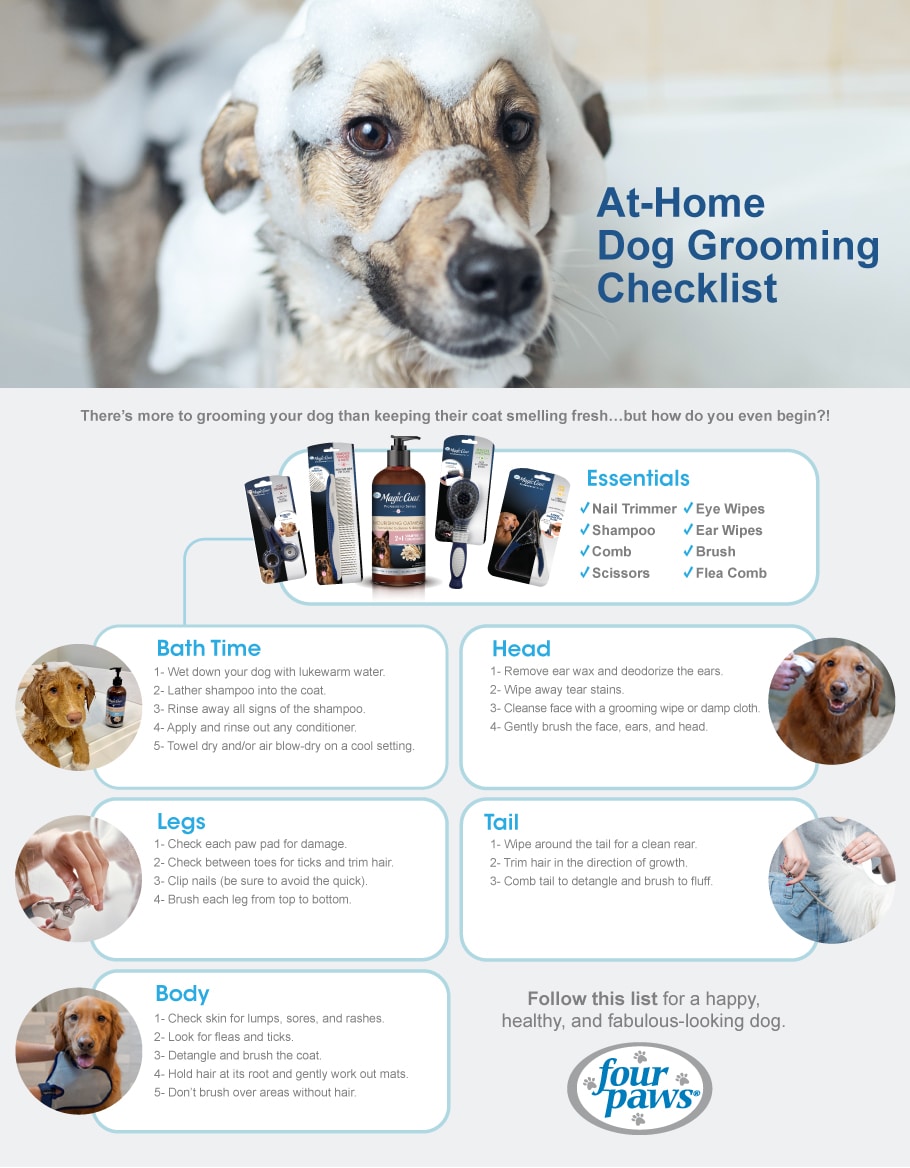
After your dog has enjoyed rolling in grass or dirt, proper grooming is essential to keep their coat clean, healthy, and free of irritants. Start with a thorough brushing to remove loose fur, dirt, and debris—using a brush suitable for your dog’s coat type. Follow up with a gentle, dog-friendly shampoo that can help wash away dirt and reduce bacteria or fungi that might lead to skin issues. Consider using conditioning sprays or coat deodorizers to keep their fur smelling fresh and to add an extra layer of protection.
Pay special attention to areas prone to matting or dirt accumulation, such as behind the ears, under the chin, and around the paws. For dogs with longer coats, regular trimming can help prevent mats and make grooming more manageable. After bathing, ensure your dog is completely dry, especially if they have thick or dense fur, to prevent skin irritation or fungal infections. Using a blow dryer on a low, cool setting can aid in thorough drying and help keep your dog comfortable.
Finally, consider regular skin checks to detect any signs of irritation, parasites, or injuries early. Check paws, underbelly, and between toes, especially after outdoor activities. If your dog develops persistent skin issues or allergies, consult your veterinarian to tailor a grooming routine and treatment plan suited to their specific needs. Keeping your dog clean after outdoor fun not only enhances their comfort but also promotes overall health and happiness.
Conclusion
Understanding and managing your dog’s tendency to roll in grass or dirt is an important aspect of responsible pet ownership. Recognizing that this behavior is rooted in natural instincts allows you to appreciate your dog’s needs while taking steps to keep them healthy and clean. By implementing effective grooming techniques, providing safe outlets for their instincts, and maintaining a regular cleaning routine, you can ensure your furry friend stays fresh, comfortable, and happy.
Balancing respect for their natural behaviors with safety and hygiene is key to a harmonious relationship. Remember, a well-groomed, healthy dog not only looks good but also feels good, which translates into a happier, more content companion. So, the next time your dog enthusiastically rolls in the grass, you’ll be better prepared to manage it with love, patience, and practical strategies.