


How to Groom Dogs with Color-Sensitive Fur: Tips and Best Practices
Grooming your dog isn’t just about keeping them clean; it’s a vital part of maintaining their health, comfort, and appearance. When it comes to dogs with color-sensitive fur, grooming takes on an extra layer of importance. These coats are unique because their coloration can be affected by the products used, grooming techniques, and even environmental factors. If you’re the proud owner of a dog with color-sensitive fur, understanding how to groom them safely and effectively is essential to preserve their beautiful coat and avoid accidental discoloration.
This article aims to guide you through the nuances of grooming dogs with color-sensitive fur, covering everything from understanding their unique coat characteristics to selecting the right products, applying safe grooming techniques, and maintaining their coat’s vibrant color. Whether you’re a seasoned pet parent or new to dog grooming, these tips are designed to help you achieve professional results at home while ensuring your furry friend stays healthy, happy, and looking their best.
Understanding Color-Sensitive Fur in Dogs and Its Unique Characteristics
Color-sensitive fur in dogs is a fascinating aspect of canine coats that requires special attention. Certain breeds—such as Yorkshire Terriers, Afghan Hounds, or White Poodles—are known for their distinctive coat colors that can easily be affected by grooming products, environmental factors, or even diet. The pigments in their fur are sensitive to external influences, which means even minor missteps can lead to dullness, discoloration, or unwanted staining.
The key to caring for these coats is understanding the specific characteristics that make their fur sensitive to color changes. For instance, some breeds have coat pigments that are more prone to fading or turning dull if exposed to harsh chemicals or improper cleaning routines. Additionally, their natural coat colors—ranging from pure whites and silvers to vibrant reds or blacks—require tailored grooming approaches to maintain their vibrancy. Recognizing these nuances helps you choose appropriate products and techniques that support their natural beauty.
Furthermore, environmental factors such as exposure to sun, pollution, or chemicals can impact the appearance of color-sensitive fur. For example, prolonged exposure to sunlight might cause some lighter coats to yellow or oxidize, while pollution can dull the coat’s shine. Therefore, understanding these unique characteristics allows owners to develop a grooming routine that not only keeps the dog clean but also preserves or even enhances their coat’s natural color and luster.
Selecting Suitable Grooming Products for Color-Sensitive Dog Coats
Choosing the right grooming products is crucial when caring for dogs with color-sensitive fur. Not all shampoos, conditioners, or grooming sprays are created equal—many contain harsh chemicals, dyes, or fragrances that can alter or dull a dog’s coat color. To maintain the vibrancy and health of their fur, it’s essential to opt for products specifically formulated for sensitive, color-affected coats.
Start by selecting sulfate-free and color-safe shampoos designed to gently cleanse without stripping away natural oils or pigments. These shampoos often contain natural ingredients like oatmeal, aloe vera, or coconut oil that soothe the skin and preserve coat color. Additionally, many brands offer brightening or color-enhancing shampoos that can help restore dullness and bring out the natural shine of the coat without causing discoloration. Always read labels carefully and choose products recommended by veterinarians or professional groomers for sensitive or color-treated coats.
Conditioners and finishing sprays should also be chosen with care. Look for color-preserving conditioners that hydrate and detangle while maintaining the coat’s brightness. Avoid products with artificial dyes or heavy fragrances, as these can stain or dull the coat over time. For added protection, consider using UV-protectant sprays; these help shield the coat from sun damage that can cause fading or discoloration. Investing in quality grooming products tailored for color-sensitive fur ensures your dog’s coat remains vibrant, healthy, and full of life.
Techniques for Safe and Effective Grooming of Color-Dependent Fur Colors
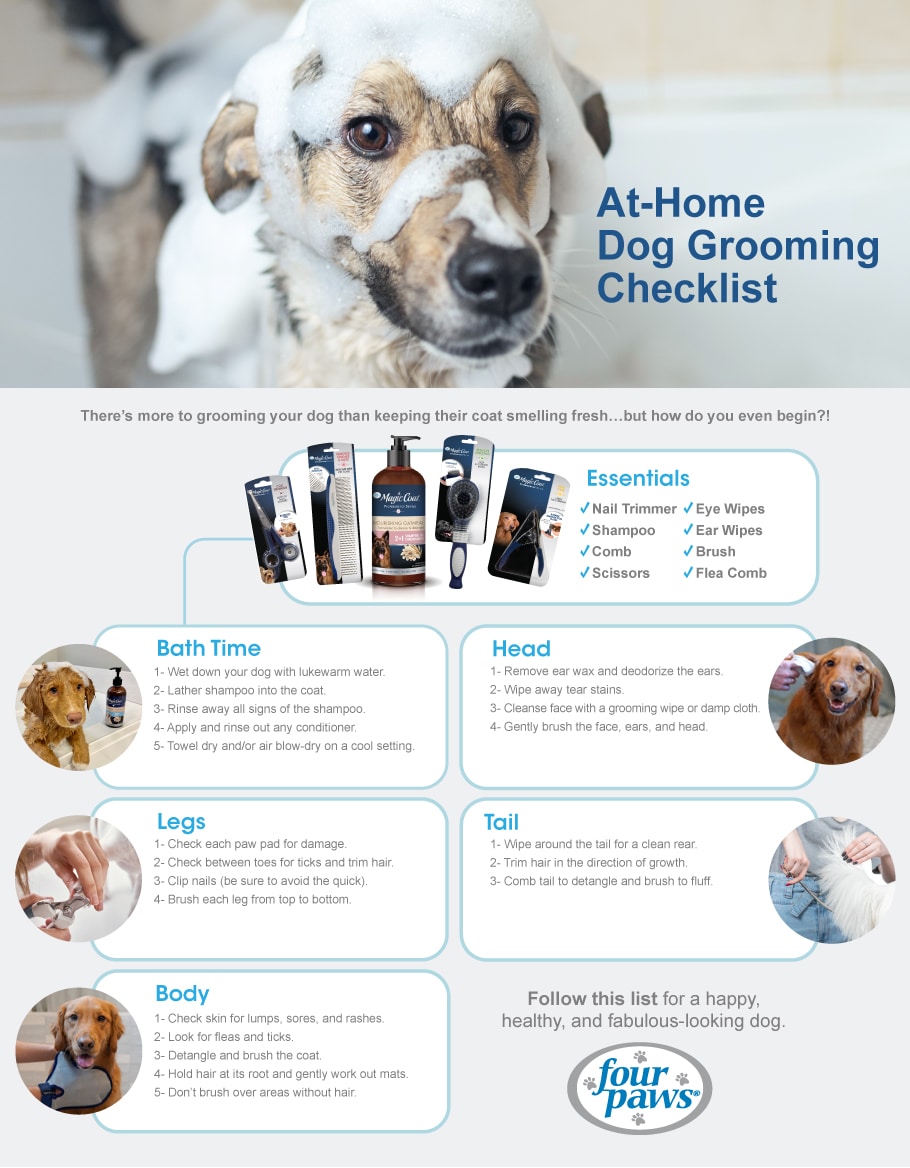
Grooming techniques play a crucial role in maintaining the integrity of a dog’s color-sensitive coat. To avoid accidental discoloration, it’s essential to adopt gentle, precise methods that minimize stress and protect the coat’s natural hue. For instance, when bathing your dog, use lukewarm water—hot water can strip oils and cause color fading, while cold water may be uncomfortable. Apply grooming products carefully, focusing on the coat and avoiding contact with the skin or face to prevent staining.
When brushing, use soft-bristled brushes and gentle strokes to detangle and remove loose hair. Regular brushing not only keeps the coat looking shiny and well-maintained but also distributes natural oils that enhance color vibrancy. Different breeds may require specific grooming techniques; for example, conditioners should be thoroughly rinsed out to prevent residue buildup that can dull the coat. If trimming or clipping is involved, do so with sharp, clean tools to ensure smooth cuts that don’t damage or discolor the fur.
Finally, pay close attention to environmental factors during grooming sessions. Keep the dog in a clean, well-ventilated area to avoid dust or pollutants settling into the coat. When using grooming sprays or finishing products, always test on a small patch first to check for any adverse reactions. Consistency in gentle handling, coupled with the right techniques, will help maintain your dog’s coat color, health, and overall appearance.
Maintaining and Enhancing Your Dog’s Coat Color Through Specialized Care
Maintaining and even enhancing a dog’s coat color involves more than just grooming; it requires a holistic approach that includes diet, environmental management, and specialized products. Proper nutrition rich in omega fatty acids, vitamins, and antioxidants can significantly impact coat health and vibrancy, supporting the production of pigmented hair and reducing dullness. Consult your veterinarian to choose high-quality, breed-specific diets that promote a healthy, radiant coat.
Environmental management also plays a vital role. Protect your dog from excessive sun exposure by providing shaded areas or using canine-safe UV protection sprays. Regular baths with color-safe, gentle shampoos help remove dirt and pollutants that can dull the coat’s appearance. Additionally, incorporating natural supplements or topical treatments designed to strengthen the hair shaft and boost pigmentation can help preserve and accentuate color. Many pet owners find that routine grooming combined with these care practices leads to a noticeably more vibrant, glossy coat.
Lastly, consider professional grooming treatments and products formulated specifically to enhance coat color. These may include glossing sprays, color-enhancing shampoos, or herbal rinses. Using these periodically can boost the natural brightness of your dog’s fur without risking damage or discoloration. Remember, consistent care and attention to detail are key to maintaining a stunning, healthy coat that reflects your dog’s unique beauty.
Common Challenges and Solutions When Grooming Dogs with Color-Sensitive Fur
Grooming dogs with color-sensitive fur can come with its own set of challenges, but understanding common issues and solutions can make the process smoother. One frequent problem is discoloration caused by improper products, such as shampoos with harsh chemicals or artificial dyes. Always opt for products specifically formulated for sensitive or color-treated coats, and do a patch test before full application to prevent adverse reactions.
Another challenge involves dullness or yellowing of light-colored coats. This can be caused by environmental factors, poor grooming routines, or mineral buildup. To combat this, use specialized whitening or brightening shampoos designed for sensitive skin, and consider periodic deep cleansing with natural ingredients like apple cider vinegar or lemon rinses. Regular brushing and rinsing help prevent residue accumulation, keeping the coat shiny and vibrant.
Finally, managing allergies or skin sensitivities during grooming is essential. Some dogs may react poorly to certain products or grooming techniques, leading to irritation or hair loss. Always choose hypoallergenic grooming items and consult your veterinarian if you notice any signs of discomfort or skin issues. Gentle handling, patience, and using the right tools will help you navigate these challenges effectively, ensuring your dog’s coat remains beautiful and healthy.
Conclusion
Grooming dogs with color-sensitive fur requires a thoughtful, careful approach that balances cleanliness with color preservation. By understanding the unique characteristics of their coats, selecting suitable grooming products, employing gentle techniques, and maintaining a healthy diet and environment, you can keep your dog’s coat vibrant and stunning. Overcoming common challenges like discoloration or sensitivities involves patience and the right choices—both in products and grooming routines.
Your efforts will not only enhance your dog’s appearance but also contribute to their overall health and happiness. Remember, a well-groomed, color-maintaining coat is a reflection of your dedication and love for your furry friend. With the tips and practices outlined here, you’re well on your way to becoming a confident, informed dog groomer, ensuring your pet looks and feels their very best every day.