


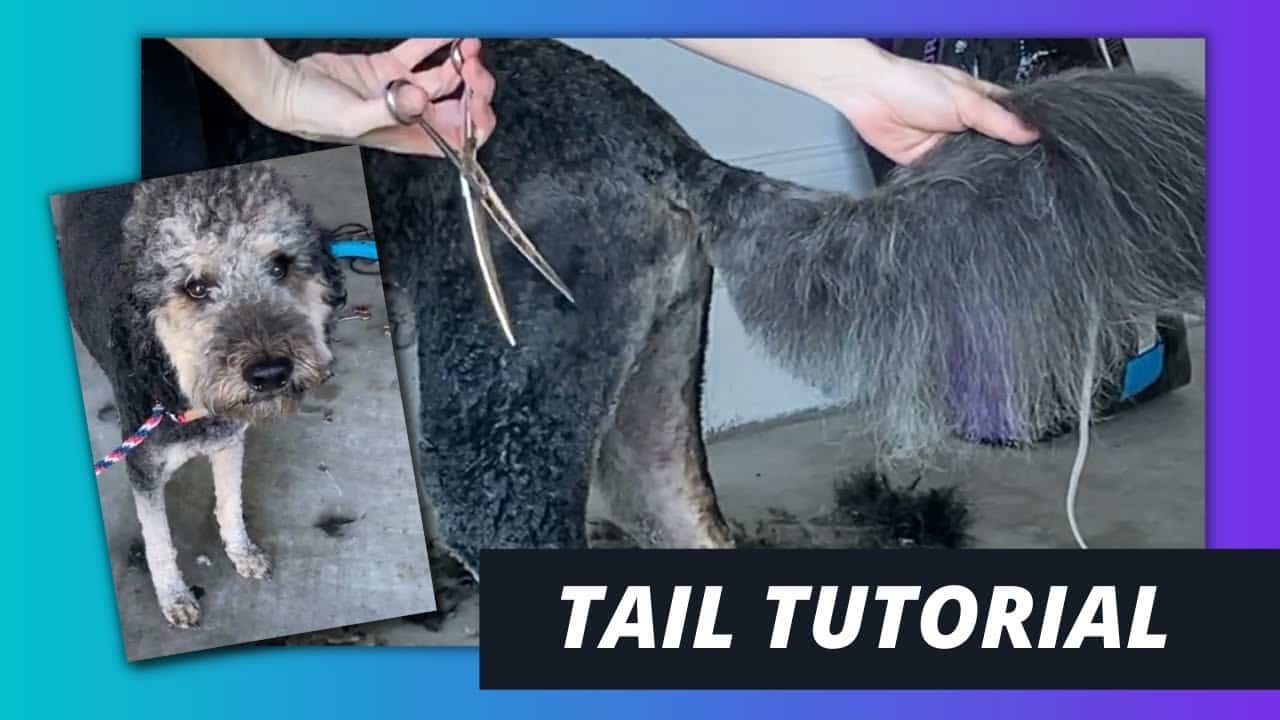
How to Groom Dogs with Delicate Tails: Tips for a Safe and Beautiful Look
Grooming is an essential part of a dog’s health and happiness, but it can become a delicate task when dealing with dogs that have fragile or sensitive tails. These dogs require special care to prevent injury, maintain their tail health, and keep them looking their best. Whether you’re a seasoned groomer or a pet owner eager to learn, understanding the unique needs of dogs with delicate tails is crucial. In this article, we’ll explore how to safely handle, groom, and maintain the health of these special pups, ensuring they look beautiful and stay comfortable.
Understanding the Unique Needs of Dogs with Delicate Tails
Dogs with delicate or sensitive tails often have specific physical characteristics that set them apart from other breeds. Their tails may be thin, fragile, or have a less dense coat, making them more vulnerable to injury during grooming sessions. Many breeds are known for their delicate tails, including the Yorkshire Terrier, Papillon, Dachshunds, and French Bulldogs, among others. These breeds typically have tails that are either naturally thin or have a fragile cartilage structure, requiring extra care.
The structure of a delicate tail often involves a more slender bone or cartilage, which can be easily damaged if handled roughly. Some dogs also have skin that is more sensitive or prone to irritation, meaning even minor grooming errors can cause discomfort or injury. Understanding these physical features helps in selecting the right grooming techniques and tools, as well as recognizing when your dog might be experiencing pain or distress.
Another important consideration is the dog’s overall temperament. Dogs with sensitive tails may become anxious during grooming if they associate it with discomfort, so gentle handling and a calm environment are essential. Also, be aware that certain health conditions, such as tail injuries or infections, can be more common in these breeds, making regular inspection and preventive care even more important. Recognizing these nuances ensures that grooming sessions are both safe and effective, keeping your dog comfortable while achieving a beautiful, tidy look.
Proper Handling and Grooming Techniques for Delicate Tails
Handling dogs with delicate tails requires patience, gentleness, and a careful approach. Always start by approaching your dog calmly, using a soothing voice and gentle touches to reduce anxiety. When lifting or supporting the tail, do so with both hands, supporting the base gently without pulling or twisting. If the tail seems particularly fragile, consider using a towel or blanket to wrap and support it during grooming, which provides extra stability and reduces the risk of accidental injury.
During grooming, avoid using aggressive or rough brushing techniques, especially around the tail area. Instead, opt for soft-bristled brushes or combs designed for sensitive skin. Gentle, slow strokes are best to prevent pulling or causing discomfort. When trimming hair around the tail, use small, sharp scissors, and work carefully to avoid nicking the skin or damaging the cartilage. Always ensure your tools are clean and sanitized to prevent infections.
It’s vital to pay attention to your dog’s body language during grooming. If your dog shows signs of stress, such as whimpering, trying to escape, or tense muscles, stop and give them a break. Gradually desensitize your dog to grooming by introducing handling of the tail in short, positive sessions with treats and praise. If your dog has a particularly delicate or injured tail, it may be best to consult a professional groomer or veterinarian for guidance to prevent mishandling. Overall, patience, gentle techniques, and respect for your dog’s comfort are the keys to safe grooming of delicate tails.
Tail Health and Maintenance for Sensitive Dogs
Maintaining the health of a delicate tail involves regular inspection, proper hygiene, and prompt attention to any signs of injury or discomfort. Make a habit of gently examining your dog’s tail before and after grooming sessions. Look for swelling, redness, cuts, or unusual hair loss, which could indicate irritation or injury. Keep an eye out for signs of infection such as foul odor, discharge, or excessive scratching, which may require veterinary attention.
Proper hygiene is crucial for delicate tails, especially for dogs that are prone to skin infections or have skin sensitivities. Regular bathing with a gentle, hypoallergenic dog shampoo can help keep the skin and hair healthy. Be sure to thoroughly dry the tail after bathing, as moisture trapped in the fur or skin folds can lead to bacterial or fungal infections. Additionally, trimming the hair around the tail can improve airflow and hygiene but should be done carefully to avoid damaging sensitive tissues.
Preventing common issues such as parasites, dermatitis, or tail injuries is essential for delicate tail health. Keep your dog away from rough or sharp objects that could scratch or puncture the tail. If your dog is active outdoors, check the tail daily for signs of ticks, fleas, or other parasites. Providing a balanced diet rich in omega fatty acids can also promote healthy skin and coat, supporting overall tail health. If your dog shows signs of tail pain, limping, or reluctance to wag, consult your veterinarian promptly to rule out injuries or underlying health issues.
Selecting Suitable Grooming Products and Tools for Fragile Tails
Choosing the right grooming products and tools is fundamental when caring for dogs with delicate tails. Prioritize gentle, hypoallergenic shampoos that are formulated for sensitive skin to minimize irritation and discomfort. Avoid products with harsh chemicals, artificial fragrances, or dyes, which can exacerbate skin sensitivities or cause allergic reactions. When selecting grooming tools, opt for soft-bristled brushes, fine-toothed combs, and small, sharp scissors designed for precision grooming.
The tools you use should be specifically suited for delicate or sensitive areas. For example, a soft rubber brush or a silicone grooming mitt can be effective for gentle cleaning without pulling or irritating the skin. When trimming the hair around the tail, use fine-tipped scissors with rounded tips for added safety. Electric grooming devices or clippers should be used with caution, ensuring they are set to a low power setting and used carefully to avoid accidental nicks or cuts.
In addition to grooming-specific tools, consider using products like skin-soothing sprays or wipes designed for sensitive skin to keep the tail area clean and comfortable between grooming sessions. Regularly replace and sanitize your grooming tools to prevent the buildup of bacteria or fungi. Investing in quality supplies not only makes grooming safer and more effective but also helps in maintaining the overall health and beauty of your dog’s delicate tail. Remember, gentle handling combined with the right products makes all the difference.
Conclusion
Grooming dogs with delicate tails is a delicate dance of care, patience, and attention to detail. Understanding the unique characteristics of these breeds enables you to tailor your approach, ensuring safety and comfort during every grooming session. Proper handling techniques—supporting the tail gently, using soft tools, and working slowly—are essential to prevent injury and promote a positive grooming experience.
Maintaining the health of a sensitive tail involves regular inspection, gentle hygiene practices, and prompt veterinary care if issues arise. Choosing suitable grooming products and tools designed for delicate skin and tissues enhances both safety and effectiveness, resulting in a cleaner, healthier, and more beautiful tail. Remember, the goal is to keep your dog comfortable, healthy, and happy while achieving a neat, attractive look.
By applying these tips and demonstrating patience, you’ll build a trusting grooming routine that respects your dog’s unique needs. Whether you’re grooming at home or working with a professional, prioritizing safety and gentle techniques will ensure your dog’s tail remains both beautiful and pain-free. Ultimately, a well-groomed tail is a reflection of your care and love—a small detail that makes a big difference in your dog’s overall wellbeing.