


How to Groom Dogs with Fine, Thin Fur: Tips for a Healthy Coat
Grooming a dog with fine, thin fur can be a delicate task that demands patience, knowledge, and the right tools. Unlike thick-coated breeds, dogs with fine or sparse fur are more susceptible to skin irritations, sunburns, and coat damage, making proper grooming essential for their health and comfort. Whether you’re a seasoned pet owner or new to grooming, understanding the unique needs of these breeds will help you maintain a shiny, healthy coat while preventing common issues like shedding, dryness, or skin sensitivities.
In this article, we’ll explore the key aspects of grooming dogs with fine, thin fur. From understanding their coat characteristics to selecting the proper grooming tools and developing an effective routine, you’ll gain practical tips to keep your dog comfortable, healthy, and looking their best. We’ll also cover specialized strategies to manage shedding and improve coat thickness, ensuring your pup not only looks good but feels great too.
Understanding the Characteristics of Fine, Thin Fur in Dogs
Fine, thin fur in dogs often appears as a delicate, soft coat that may be less dense and more prone to damage compared to thicker coats. These coats are typical of breeds like Chihuahuas, Greyhounds, Italian Greyhounds, and Whippets, which have sleek, smooth, or short hair. The key characteristic is that their fur provides less insulation and protection, making skin more visible and susceptible to environmental factors such as sun exposure, cold, or irritants.
This type of fur usually has a smooth or silky texture, and the hair shaft tends to be fine and fragile. Because of this, these coats may shed more visibly, but the shedding is often less voluminous compared to thick-coated breeds. However, their skin is more exposed, which means they need extra care to prevent dryness, irritation, or sensitivity. Additionally, these breeds often require gentle grooming to avoid damaging their delicate hair strands or causing discomfort.
Understanding your dog’s fur type is crucial for tailored grooming. Fine, thin fur is often more prone to tangling and matting, especially if not brushed regularly. It can also be more sensitive to harsh grooming products or techniques. Recognizing these nuances helps you make informed decisions about grooming frequency, tools, and products to keep your dog’s coat healthy, shiny, and free of skin problems.
Selecting the Right Grooming Tools and Products for Thin-Coated Breeds
Choosing the appropriate grooming tools and products is vital for dogs with fine, thin fur. Since their coat is delicate, opt for gentle brushes that won’t pull or damage the hair. Soft-bristled brushes or slicker brushes designed specifically for fine hair are excellent choices—they help remove loose fur, prevent tangles, and stimulate healthy skin without causing irritation. For shorter coats, a rubber grooming mitt can also be effective and soothing.
In terms of grooming products, always select gentle, hypoallergenic shampoos formulated for sensitive skin. Look for products that are free from harsh chemicals, alcohol, or artificial fragrances, which can cause dryness or allergic reactions. Conditioning sprays or leave-in conditioners designed for fine hair can add a protective layer, keeping the coat soft and manageable. Using a conditioner with natural moisturizers like aloe vera or coconut oil can improve coat health without weighing the hair down.
Regularly replacing grooming tools is also important to prevent bacterial buildup. Clean brushes and combs after each use and consider replacing them every few months. For sensitive skin, testing a small amount of any new product first can help avoid adverse reactions. Remember, less is often more—over-bathing or using heavy products can strip natural oils, leading to dryness or irritation in fine-haired dogs. Gentle, consistent grooming with the right tools and products lays the foundation for a healthy, beautiful coat.
Developing an Effective Grooming Routine to Maintain Healthy Coat and Skin
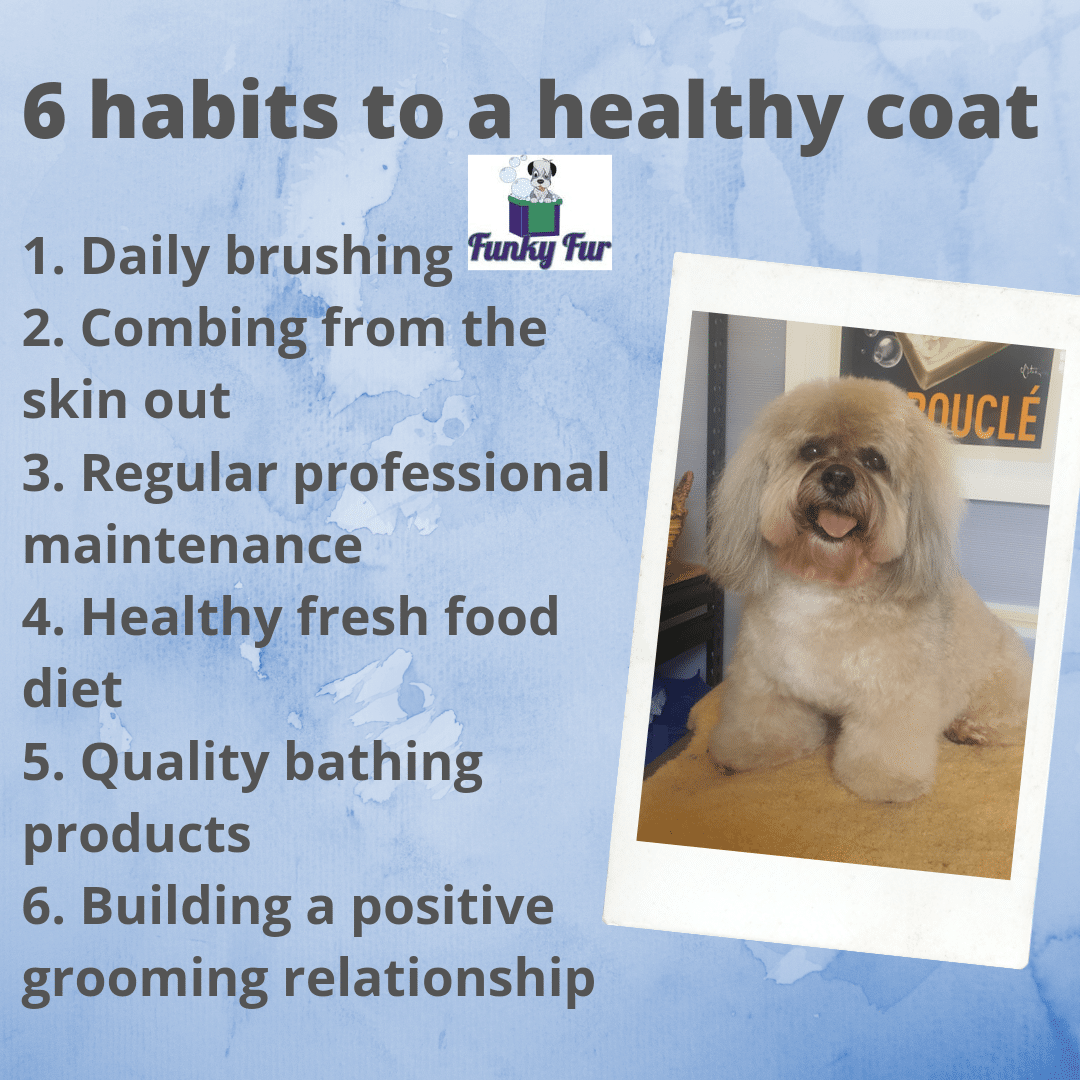
Establishing a consistent grooming routine is key to managing fine, thin fur effectively. Aim to brush your dog at least 3-4 times a week to remove loose hair and prevent tangles. For breeds with particularly delicate coats, daily brushing may be beneficial to keep the skin stimulated and to distribute natural oils evenly across the coat, promoting shine and softness. Use gentle strokes and avoid pressing too hard to prevent discomfort or damage.
Bathing should be done as needed—typically once every 4-6 weeks—using a mild, hypoallergenic shampoo suitable for sensitive skin. Always rinse thoroughly to remove all shampoo residues, as leftover product can cause dryness or irritation. Follow up with a conditioner if necessary, and gently pat the coat dry with a soft towel. Avoid vigorous towel drying or high-heat blow-drying, as extreme heat can damage fine hair and dry out the skin further.
In addition to brushing and bathing, regularly check your dog’s skin and coat for signs of irritation, dryness, or parasites. Incorporate routine ear cleaning and dental care into your grooming schedule, as overall health impacts coat quality. A holistic approach—consistent grooming, proper hygiene, and attentive skin care—ensures your dog’s coat remains healthy, shiny, and resilient against environmental stressors.
Tips for Managing Shedding and Preventing Skin Irritations
While dogs with fine, thin fur may shed less volume than their thick-coated counterparts, shedding can still be a concern. Regular brushing is your first line of defense—it helps remove loose hairs before they fall around your home and reduces the risk of mats and tangles. Using a gentle, soft-bristled brush or grooming mitt can make shedding management less stressful and more comfortable for your dog.
To minimize skin irritations, avoid over-bathing and harsh shampoos that can strip natural oils from sensitive skin. Incorporate moisturizing and soothing products, like oatmeal-based shampoos or conditioners, to keep the skin hydrated and calm any irritation. If your dog is prone to skin allergies, consult your veterinarian for suitable medicated shampoos or topical treatments that can reduce inflammation and prevent further discomfort.
Environmental factors also play a role in shedding and skin health. Protect your dog from extreme weather conditions—use dog-safe sunscreen during sunny days and provide warm clothing or blankets in cold weather. Maintaining a balanced diet rich in omega-3 fatty acids can also improve coat condition, reduce shedding, and support skin integrity. Consistent grooming, proper hygiene, and attentive skin care are essential for managing shedding and preventing skin-related issues in dogs with fine, thin fur.
Specialized Care Strategies for Enhancing Coat Thickness and Overall Coat Health
For owners seeking to improve the thickness and overall health of a fine, thin coat, specialized strategies can make a significant difference. Dietary modifications—such as adding omega-3 and omega-6 fatty acids—can boost skin and coat health from the inside out. High-quality dog foods formulated for skin health provide essential nutrients that support natural hair growth and resilience, helping to promote a fuller, shinier coat over time.
Topical treatments, including natural oils like coconut oil or fish oil supplements, may also enhance coat quality and reduce dryness. When applying topical products, always ensure they are safe for canine use and avoid over-application, which can weigh down fine hair or cause skin reactions. Regular grooming combined with these nutritional strategies encourages healthy hair follicles and stimulates new growth, gradually improving coat density.
Lastly, consider consulting a veterinarian or a professional groomer for personalized advice. They might recommend supplements, medicated shampoos, or topical therapies tailored to your dog’s specific needs. Remember, achieving a healthier, thicker coat is a gradual process that requires patience and consistency. Prioritizing gentle, tailored care routines will help your dog’s coat become more resilient, vibrant, and comfortable in their skin.
Conclusion
Grooming dogs with fine, thin fur requires a thoughtful approach that balances gentleness with consistency. Understanding the unique characteristics of their coat helps you select the right tools and products, while establishing a tailored grooming routine ensures their skin remains healthy and their coat stays shiny. Managing shedding and preventing skin irritations are ongoing efforts that improve your dog’s comfort and appearance. For those looking to enhance coat thickness and resilience, integrating proper nutrition and specialized care strategies can yield remarkable results over time.
By paying close attention to your dog’s individual needs and adopting a gentle, consistent routine, you’ll not only maintain a healthy, beautiful coat but also strengthen your bond with your furry friend. Remember, patience and care are key—your efforts will reward your dog with a coat that looks and feels its best, reflecting their overall well-being and happiness.