


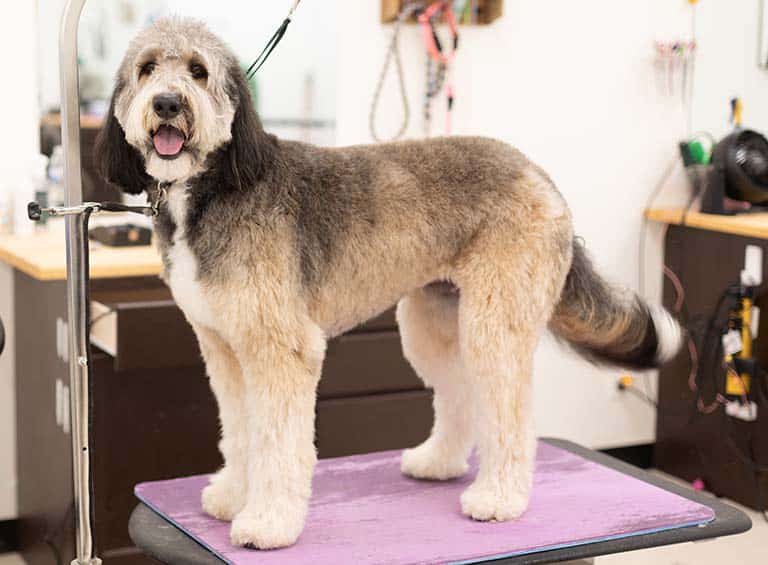
How to Groom Dogs with Long Tail Fur: Expert Tips for a Healthy Coat
Grooming a dog with long tail fur can seem like a daunting task, especially when you consider the potential for tangles, mats, and hair breakage. However, with the right knowledge, tools, and techniques, you can keep your dog’s tail looking stunning, healthy, and comfortable. A long, luxurious tail can be one of the most beautiful features of certain breeds—think Afghan Hounds, Shih Tzus, or Yorkshire Terriers—but it requires dedicated grooming to maintain its beauty and health. This guide will walk you through the essential aspects of grooming dogs with long tail fur, helping you become a confident, effective groomer and ensuring your furry friend’s coat stays in excellent condition.
Understanding the Unique Grooming Needs of Dogs with Long Tail Fur
Dogs with long tail fur have specific grooming needs that differ from short-haired breeds. Their fur is more prone to tangling, matting, and trapping dirt, which can lead to skin irritation or infections if not managed properly. Long tail fur also tends to be heavier and more prone to pulling or discomfort if not groomed regularly. Recognizing these unique needs is the first step toward establishing a grooming routine that keeps your dog comfortable and looking their best.
The natural oils produced by a dog’s skin play a crucial role in maintaining a healthy coat. When fur becomes matted or tangled, these oils can’t distribute evenly, leading to dry patches or skin problems. Additionally, long fur can trap debris such as leaves, twigs, or mud, which can cause discomfort or even infection if left unattended. Regular grooming helps to prevent these issues and ensures the coat remains clean, shiny, and free of irritants. Moreover, dogs with long fur often develop hotspots or skin infections if their tails are neglected, so routine inspection is vital.
Understanding your dog’s specific breed characteristics and fur type also influences grooming strategies. For example, some breeds have fine, silky fur that tangles easily, while others have coarser or thicker hair that requires different tools or techniques. Consulting with a professional groomer or veterinarian can help you tailor your grooming plan accordingly. Ultimately, consistent grooming not only enhances your dog’s appearance but also promotes their overall health and well-being, fostering a happier, more comfortable pet.
Essential Tools and Supplies for Long Tail Fur Grooming
Having the right tools is essential for effectively grooming a dog with long tail fur. Investing in quality grooming supplies can make the process easier, safer, and more efficient. Key tools include a slicker brush designed for long or fine hair, a wide-tooth comb for detangling, and grooming scissors for trimming stubborn mats or uneven lengths. These tools help prevent hair breakage and reduce discomfort during grooming sessions.
A high-quality detangling spray or conditioning spray can be a game-changer when dealing with long, prone-to-matting fur. These sprays help loosen tangles, add shine, and provide protective lubrication that minimizes hair breakage. It’s important to choose products specifically formulated for dogs, avoiding human hair products that might irritate sensitive skin. Additionally, consider using grooming gloves with rubber bristles, which are gentle yet effective at lifting loose hair and dirt from the coat.
Other helpful supplies include grooming clips or bands to section the tail for detailed work, a pair of blunt-ended scissors for safe trimming, and a fine-tooth metal comb for finishing touches. For hygiene and safety, keep alcohol wipes or disinfectant nearby to clean scissors and tools after each use. Lastly, always have a towel or grooming mat to keep your dog comfortable and prevent slipping during grooming. With these tools at hand, you’ll be well equipped to maintain your dog’s long tail fur and keep it looking its best.
Step-by-Step Techniques for Brushing and Detangling Long Tail Fur
Brushing and detangling long tail fur requires patience, gentle handling, and a systematic approach. Start by gently lifting the fur at the base of the tail to check for tangles or mats. Using a detangling spray can help loosen knots and make the process smoother. Begin brushing from the tips of the fur and work your way up toward the base, ensuring you don’t pull or yank on mats that may cause discomfort or hair breakage.
When encountering tangles or mats, use a wide-tooth comb or your fingers to carefully loosen and separate the hair. If a knot is particularly stubborn, gently work it out with your fingers or use scissors to trim it away—never yank or force the comb through tightly tangled fur. Regularly check for signs of hair breakage or skin irritation, and address these issues promptly. Remember, the goal is to maintain a smooth, healthy coat without causing discomfort.
For more thorough detangling, section the tail into manageable parts with grooming clips or bands. This helps you focus on one area at a time, ensuring no section is overlooked. Always be gentle around sensitive areas and avoid pulling on the fur, which can be painful for your dog. Finishing with a fine-tooth comb can help smooth out any remaining tangles and give the tail a polished, neat appearance. Consistent, gentle brushing not only prevents mats but also distributes natural oils, promoting a shiny, healthy coat.
Managing Tangles, Mats, and Hair Breakage in Long Tail Fur
Tangles, mats, and hair breakage are common challenges when grooming dogs with long tail fur, but they can be managed with proactive techniques. The key is regular grooming—daily brushing if possible—to prevent knots from forming and becoming unmanageable. If mats do develop, it’s best to deal with them promptly before they tighten, causing pain or skin problems. Using detangling sprays and gentle tools can significantly ease the process.
When encountering stubborn mats, start by applying a detangling spray and letting it sit for a few minutes. Carefully work the mat apart with your fingers or a wide-tooth comb. If the mat is tight and resistant, it’s safer to trim it away with grooming scissors rather than trying to force it apart, which may cause hair breakage and discomfort. Always prioritize your dog’s comfort, and take breaks if needed to prevent stress. Maintaining a regular grooming schedule will make these issues less frequent and easier to manage over time.
Preventing hair breakage involves gentle handling, proper tools, and avoiding excessive pulling or yanking. Use brushes designed for delicate or long hair, and avoid over-brushing in one session. When trimming, use sharp scissors and work slowly to create a clean, even finish. Additionally, maintaining a balanced diet rich in omega fatty acids can support healthy fur growth and reduce hair breakage from the inside out. With consistent care, you can keep your dog’s tail fur free of tangles and mats, ensuring it remains beautiful and healthy.
Tips for Maintaining a Healthy, Beautiful Long Tail Fur Coat
Achieving a shiny, healthy long tail coat involves more than just regular grooming—it also includes proper nutrition, skin care, and environmental considerations. A balanced diet rich in essential fatty acids, vitamins, and minerals supports healthy hair growth, reduces shedding, and prevents dryness or brittleness. Regular veterinary check-ups can help identify underlying skin conditions that might affect coat health, ensuring issues are addressed promptly.
Bathing frequency should be tailored to your dog’s lifestyle and fur type. Too frequent baths can strip natural oils, leading to dryness, while infrequent bathing allows dirt and debris to accumulate. Use a gentle, dog-specific shampoo formulated for long-haired breeds, and always rinse thoroughly to avoid residue buildup. After bathing, applying a conditioner or leave-in moisturizer can help detangle and add extra shine, making grooming easier and the coat more resilient.
In addition to grooming and nutrition, environmental factors like weather, outdoor activities, and exposure to sun or pollutants can influence coat health. Protect your dog’s tail from extreme weather conditions—such as cold or excessive heat—by using clothing or limiting outdoor time during adverse weather. Regularly inspecting the tail for signs of skin irritation, parasites, or infections ensures your dog remains comfortable and their coat stays in pristine condition. With proper care, your dog’s long tail fur will not only look beautiful but will also stay healthy and strong.
Conclusion
Grooming dogs with long tail fur requires attention, patience, and the right techniques to keep their coat healthy, shiny, and free of mats. Understanding the unique grooming needs of long-haired breeds, investing in quality tools, and adopting a systematic approach to brushing and detangling are all essential steps. Managing tangles and mats proactively and trimming carefully helps prevent discomfort and hair breakage, allowing your dog’s tail to stay beautiful and comfortable. Most importantly, supporting your dog’s coat health through proper nutrition, bathing, and environmental care ensures that their long tail remains a stunning feature that reflects their overall well-being.
Remember, consistency is key. With a little effort and the right approach, grooming your dog’s long tail fur can become a bonding activity that enhances your relationship while keeping your furry friend happy, healthy, and looking fabulous!