

How to Groom Dogs with Split Ends in Their Coat for a Healthy Look
A shiny, healthy coat is often a sign of good overall health in dogs. However, just like human hair, a dog’s coat can suffer from damage such as split ends, which not only look unappealing but can also lead to more serious skin issues if left untreated. Grooming dogs with split ends requires a careful approach that balances aesthetic care with maintaining coat health. Whether you’re a seasoned groomer or a dog owner eager to learn how to improve your pet’s appearance, understanding the causes, signs, and best grooming practices for managing split ends is essential. This article will walk you through everything you need to know to keep your dog looking fresh, healthy, and vibrant.
Understanding Split Ends in Dog Coat and Their Causes
Split ends occur when the protective outer layer of a dog’s hair, called the cuticle, becomes damaged or worn down. This results in the hair fiber splitting at the tip, which can make the coat look frayed or dull. In dogs, split ends are often a symptom of underlying issues such as environmental stressors or improper grooming practices. Understanding what causes these splits is the first step toward prevention and proper care.
One of the primary causes of split ends is exposure to harsh environmental conditions. Elements like wind, sun, and cold weather can weaken the hair’s structure over time. Additionally, frequent exposure to water, especially chlorinated or salty water, can strip natural oils from the coat, making it more brittle and prone to splitting. Poor nutrition also plays a big role; diets lacking essential fatty acids, vitamins, and minerals impair coat health, making the hair less resilient. Lastly, mechanical damage from rough brushing, excessive grooming, or using inappropriate tools can lead to split ends. When hair is pulled or torn during grooming, it weakens the fiber, increasing the likelihood of splits forming.
Genetics is another factor to consider. Some dog breeds naturally have finer or more delicate coats that are more susceptible to damage. Breeds such as Poodles, Shih Tzus, and Maltese often require extra care because their hair is more similar to human hair—prone to splitting if not properly maintained. Recognizing these causes helps owners and groomers tailor their grooming routines to protect and preserve the coat, ensuring it remains healthy and strong.
Identifying Signs of Coat Damage and Split Ends in Dogs
Spotting early signs of coat damage is crucial for preventing further deterioration and maintaining your dog’s healthy appearance. Visible signs of split ends include frayed or uneven hair strands that appear scraggly or rough. You might notice the coat looking dull, lifeless, or having a stringy appearance, especially after grooming or bathing. If the hair feels coarse or brittle to the touch, it’s likely in need of attention.
In addition to visual cues, you should observe how your dog’s coat responds to grooming. Excessive shedding, hair breakage, or hair that easily catches or pulls during brushing can indicate underlying damage. When brushing or combing, if you notice a lot of hair breaking or if strands tend to split at the ends, these are good indicators that split ends are present. Skin irritation, redness, or increased scratching may also be signs that the coat damage has progressed to skin issues, which often accompany brittle hair.
Regularly inspecting your dog’s coat under good lighting can help catch damage early. Use your fingers to feel the texture and look for uneven patches or rough areas. For breeds with long or curly hair, parting the coat can help reveal hidden split ends and damage. Remember, early detection allows for targeted grooming solutions and prevents the problem from worsening, keeping your dog comfortable and looking their best.
Effective Grooming Techniques for Managing Split Ends in Dogs
The cornerstone of managing split ends is adopting proper grooming techniques that promote healthy hair growth and prevent further damage. First and foremost, regular trimming is essential. While you cannot entirely repair split ends once they form, trimming their tips prevents the splits from traveling further up the hair shaft, which can cause more breakage and frizziness. Use sharp grooming scissors or thinning shears to carefully snip away damaged hair, especially in areas prone to splits like the ears, tail, and along the coat’s length.
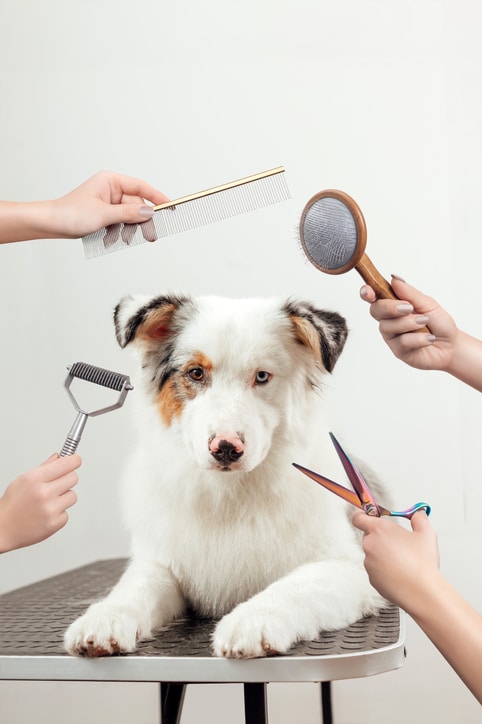
Gentle brushing is another vital technique. Use appropriate brushes or combs suited for your dog’s coat type—slicker brushes for curly coats or pin brushes for long, straight fur. Brush in the direction of hair growth with gentle, steady strokes, avoiding excessive pulling. This reduces mechanical damage and distributes natural oils throughout the coat, improving overall health. For stubborn mats or tangles, work slowly and use detangling sprays designed for dogs to ease the process without causing additional breakage.
Finally, incorporate regular bathing with nourishing shampoos and follow up with conditioning products suited for your dog’s coat type. Use a wide-tooth comb after bathing to prevent tangles and to check for damage. When blow-drying, keep the dryer on a low heat setting and maintain a safe distance to avoid heat damage, which can exacerbate split ends. Consistency in grooming routines, combined with careful handling and appropriate tools, will keep your dog’s coat healthy and minimize the appearance of splits.
Preventative Measures to Protect Your Dog’s Coat Health
Prevention is always better than cure, especially when it comes to coat health. Implementing daily or weekly routines that protect and nourish your dog’s hair can significantly reduce the risk of split ends. A well-balanced diet rich in omega-3 and omega-6 fatty acids, vitamins A, E, and biotin, provides the building blocks needed for strong, resilient hair. Consult your veterinarian for dietary recommendations or consider adding supplements if necessary. Proper nutrition supports the natural oils that coat the hair shaft, making it less prone to dryness and splitting.
Environmental management also plays a critical role. Avoid exposing your dog to extreme weather conditions whenever possible, and provide shelter from harsh sun, cold, and wind. Regularly bathing your dog with gentle, moisturizing shampoos helps maintain the coat’s natural protective barrier. When outdoors, wipe down or rinse off your dog’s coat after exposure to salt, chlorine, or dirt, which can damage hair fibers. Using protective clothing or doggy coats during adverse weather can also help preserve the coat’s integrity.
Lastly, establishing a consistent grooming schedule tailored to your dog’s breed and coat type is essential. Regular trims, brushing, and conditioning prevent the buildup of mats and tangles that can lead to split ends. Avoid over-bathing, which can strip natural oils, and always use high-quality grooming products designed specifically for dogs. By prioritizing coat health through these preventative measures, you ensure your dog maintains a vibrant, healthy coat for years to come.
Choosing the Right Products and Tools for Coat Repair and Maintenance
Selecting the appropriate grooming products and tools is fundamental to effectively managing and preventing split ends. Invest in high-quality brushes and combs tailored to your dog’s coat type. For example, slicker brushes are excellent for curly or dense coats, while pin brushes work well for long, straight hair. Metal-toothed combs are ideal for detangling and inspecting for damage, and should be used gently to avoid causing splits. Using the right tools minimizes mechanical stress and helps maintain the coat’s natural strength.
When it comes to shampoos and conditioners, opt for products formulated specifically for dogs, preferably those containing nourishing ingredients like oatmeal, aloe vera, or natural oils. These help hydrate the hair and reduce brittleness, which is crucial for preventing split ends. Leave-in conditioners or detangling sprays can provide added protection during grooming sessions, making it easier to handle sensitive or fragile areas. Always check for hypoallergenic or fragrance-free options if your dog has sensitive skin to prevent irritation.
For coat repair, consider using specialized serums or oils designed for canine coats. Ingredients like argan oil, coconut oil, or jojoba oil can be applied sparingly to the tips of the hair to help restore moisture and reduce the appearance of split ends. Be cautious not to overuse products, as excess oils can weigh down the coat or cause skin issues. Consulting with your veterinarian or professional groomer can help you select the most effective and safe products for your pet’s unique coat needs.
Conclusion
Maintaining a healthy, shiny coat in dogs requires a combination of understanding coat damage, adopting gentle grooming practices, and taking preventative measures. Recognizing the signs of split ends early allows you to trim or treat your dog’s coat before damage worsens, while consistent grooming habits—such as regular brushing, bathing, and proper nutrition—help keep the coat resilient against environmental stressors. Choosing the right tools and products can make a significant difference in managing and repairing coat damage, ensuring your dog looks and feels their best.
Remember, a well-maintained coat is not just about appearance; it’s a reflection of your dog’s overall health. By investing time and effort into proper grooming routines and preventative care, you help your furry friend enjoy a healthier, more comfortable, and more beautiful coat. So start today, and give your dog the coat they deserve—strong, shiny, and free of split ends!