


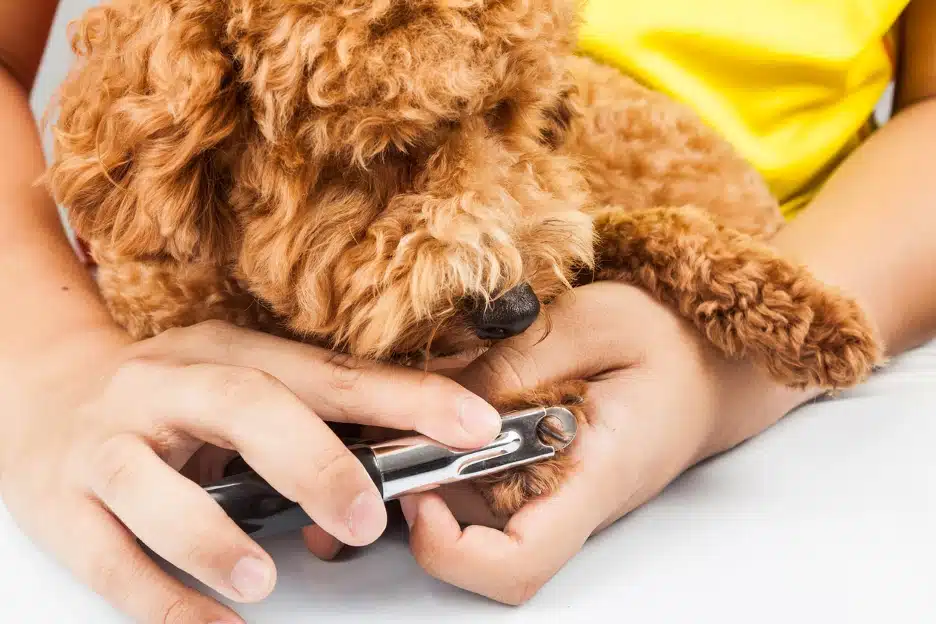
How to Handle Nail Trimming for Squirmy Dogs: Tips for a Stress-Free Process
Dealing with a squirmy, anxious, or easily distracted dog during nail trimming can feel like a daunting task. Many pet owners hesitate to clip their dog’s nails because they worry about causing discomfort, injury, or making the experience even more stressful for their furry friend. However, regular nail care is essential for your dog’s health, comfort, and safety. The good news is, with the right understanding, preparation, and techniques, you can turn nail trimming into a calm, stress-free routine—even for the most squirmy dogs. This article will guide you through the key strategies to handle nail trimming effectively, ensuring your dog stays comfortable and your sessions go smoothly.
Understanding Your Dog’s Nail Growth and Behavior Patterns
Before jumping into trimming, it’s crucial to understand how your dog’s nails grow and why they might resist or squirm during the process. Dogs’ nails grow at different rates depending on their breed, age, activity level, and living environment. Active dogs that walk on hard surfaces naturally wear down their nails, often requiring less frequent trims. Conversely, older or less active dogs may need more regular attention to prevent nails from becoming overgrown, which can cause pain or alter their gait.
Behaviorally, many dogs associate nail trimming with discomfort or unfamiliarity, making them wary or anxious. Some may have had negative past experiences, or they might simply be sensitive to the sensation of clipping. Recognizing signs of discomfort—such as trying to pull away, growling, snapping, or excessive squirming—allows you to tailor your approach. Additionally, understanding your dog’s unique temperament helps you identify whether they’re naturally more anxious or resistant, guiding you to employ specific calming techniques or alternative methods.
It’s also worth noting that some dogs have a “quick” in their nails—a blood vessel that grows with the nail. Cutting into the quick can cause pain and bleeding, which often heightens anxiety around future nail trims. Learning to identify the quick and avoid it is fundamental, especially for squirmy dogs who make precise trimming challenging. Regular, cautious trimming gradually shortens the quick and helps your dog become accustomed to the process, making future sessions easier.
Preparing Your Dog and Setting Up a Safe Trimming Environment
Preparation is the cornerstone of a stress-free nail trimming experience. Start by choosing a quiet, comfortable space where your dog feels safe—this could be your bathroom, laundry room, or a dedicated grooming nook. Ensure the area is free of distractions, loud noises, or unfamiliar visitors that could increase your dog’s anxiety. Gather all your supplies beforehand: grooming clippers or grinders, treats, a brush, and a towel or non-slip mat if needed.
Familiarize your dog with the tools before beginning. Let them sniff the clippers or grinder, and reward calm behavior with treats and praise. Desensitization sessions—short, positive introductions—can reduce fear and resistance over time. For example, you can touch their paws gently and reward them, gradually progressing to handling their nails without clipping. This gradual approach builds trust and makes the actual trimming less intimidating.
Another vital step is to ensure your dog is physically and emotionally prepared. A tired or relaxed dog is more likely to stay still. Consider taking a walk or engaging in a play session beforehand to expend some energy. Also, choose a time when your dog is calm or sleepy—after meals or naps. Always have high-value treats ready to reward patience and cooperation, as positive reinforcement encourages your dog to associate nail trimming with good things. If your dog is especially nervous, using calming aids like pheromone sprays or calming collars can also help create a more relaxed environment.
Step-by-Step Techniques for Trimming Nails on a Wriggly Dog
When it’s time to trim your dog’s nails, a calm, methodical approach makes all the difference. Begin by gently holding your dog’s paw, using a firm yet gentle grip to prevent sudden jerks. If your dog squirms, consider wrapping their paws in a soft towel to restrict movement slightly—this can provide extra control without causing distress. Always start by trimming just one or two nails per session, especially if your dog is highly resistant, to prevent overwhelming them.
Identify the quick— the pinkish area inside the nail with blood vessels and nerves. In dogs with light-colored nails, it’s easier to see, but for dark nails, look for a conical shape or be cautious by trimming small bits at a time. Use sharp, high-quality clippers or grinders designed specifically for dogs. Clippers should be used with a smooth, confident motion to prevent splintering or crushing the nail. If using a grinder, start at a low speed and gradually move forward, giving your dog time to adjust to the sensation.
Work slowly and praise your dog throughout the process. If you encounter resistance, pause and offer treats or a calming word. For squirmy dogs, consider clipping one or two nails in a session, then stopping to reward. Repeat this process over several days if necessary, gradually increasing the number of nails trimmed. Always watch for signs of discomfort or bleeding—if you accidentally cut into the quick, apply styptic powder or cornstarch to stop bleeding and reassure your dog. Patience and consistency are key to developing a stress-free nail trimming routine.
Tips for Managing Anxiety and Resistance During Nail Trimming
Managing your dog’s anxiety and resistance is often the biggest hurdle in nail trimming. Start by using positive reinforcement—praise, treats, or gentle petting—immediately after each successful step. Keeping a calm, upbeat tone helps to model confidence and reassures your dog that trimming isn’t a threat. If your dog becomes distressed, it’s best to pause and let them settle before attempting again, rather than forcing the issue.
In addition to rewards, consider incorporating calming techniques such as soft music, pheromone sprays, or calming interventions like dog-appeasing pheromone diffusers. These can help create a more serene environment, especially for anxious or squirmy dogs. For particularly reactive dogs, short, frequent sessions are better than infrequent, longer ones. This approach helps desensitize your dog gradually, making the experience less overwhelming over time.
If resistance persists, try distraction methods such as engaging their attention with a favorite toy, a treat-dispensing puzzle, or a calming massage before and during trimming. Using a grooming table with a non-slip surface can also provide stability and comfort. Remember to remain patient; rushing or showing frustration can increase your dog’s anxiety. Sometimes, enlisting the help of a professional groomer or veterinarian can provide additional support, especially if your dog’s resistance is severe or aggressive, ensuring safety for both pet and owner.
Maintaining Regular Nail Care and Preventing Future Challenges
Consistency is the key to maintaining a stress-free nail trimming routine for squirmy dogs. Regular trims—about every three to four weeks—prevent overgrown nails, reduce discomfort, and make each session quicker and easier. Establish a set schedule that fits your dog’s growth rate and stick to it. Over time, your dog will become more accustomed to the process, reducing resistance and squirming significantly.
Incorporating nail care into your regular grooming routine helps normalize the experience. Make nail trimming a positive, routine part of your dog’s life by pairing it with other grooming activities they enjoy or by rewarding them with treats afterward. For dogs with particularly difficult behavior, consider gradual exposure and desensitization exercises between trims. If your dog’s nails grow extremely quickly or are prone to splitting, ask your veterinarian about specific products or treatments that promote healthy nail growth.
Finally, pay attention to your dog’s overall health and activity level. Proper exercise on hard surfaces naturally wears down nails, decreasing the frequency of trims needed. Feeding a balanced diet supports healthy nail growth, and regular paw inspections can catch issues early—such as splits, infections, or abnormalities—that could make nail trimming more painful or difficult. By maintaining a proactive approach, you can foster a positive attitude toward nail care, making future sessions smoother and less stressful for both you and your dog.
In Conclusion
Handling nail trimming for squirmy or anxious dogs can be challenging, but with the right understanding, preparation, and techniques, it becomes a manageable and even rewarding part of your routine. Recognizing your dog’s nail growth patterns and behavior helps you tailor your approach, while creating a calm, safe environment sets the stage for success. Employing step-by-step trimming techniques with patience and positive reinforcement can transform a stressful task into a bonding experience. Managing anxiety through distraction, desensitization, and calming tools ensures your dog feels more secure. Finally, establishing regular nail care routines and incorporating preventive measures will make future trims easier and less intimidating.
Remember, consistency, patience, and compassion go a long way. Your efforts not only improve your dog’s health and comfort but also strengthen the trust and bond you share. Don’t hesitate to seek professional help if needed, and always prioritize safety and gentle handling. With time and practice, nail trimming can become a quick, pain-free part of your dog’s grooming routine—leaving both of you happier and healthier.