


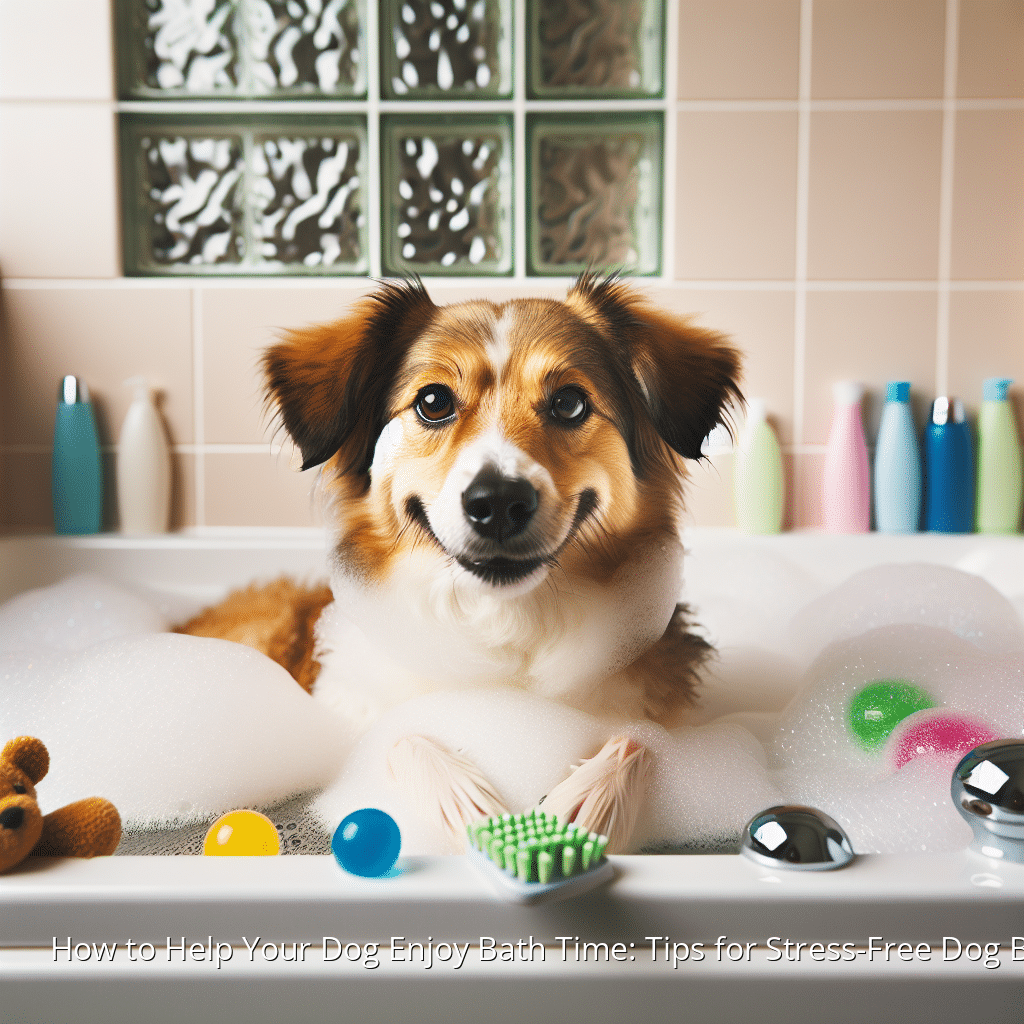
How to Help Your Dog Enjoy Bath Time: Tips for Stress-Free Dog Baths
Bath time can be a challenging experience for many dog owners—and even more so for their furry friends. Whether your pup is naturally anxious around water or has had a negative past experience, making bath time enjoyable requires patience, preparation, and the right approach. A stress-free bathing routine not only keeps your dog clean and healthy but also strengthens the bond between you. In this article, we’ll explore practical tips and expert advice on how to help your dog enjoy bath time, transforming it from a stressful chore into a positive experience.
Preparing Your Dog for a Positive Bath Experience
The first step toward a stress-free bath is proper preparation. Starting early in your dog’s life—if possible—can set the stage for a calm and relaxed attitude towards baths later on. Gradually introducing your puppy to water, gentle handling, and grooming routines helps build trust and reduces anxiety. Even for adult dogs, gentle desensitization can make a significant difference. Spend time touching your dog’s paws, ears, and tail regularly to familiarize them with being handled, which makes the washing process smoother.
Timing is also crucial. Choose a time when your dog is calm and well-rested—after a walk or play session—but not immediately after eating. An energetic or hungry dog is less likely to cooperate during bath time. Establishing a consistent routine helps your dog know what to expect, reducing surprises that can trigger anxiety. Additionally, keep a calm, affectionate demeanor; your dog is highly perceptive to your mood. Using a calm voice and relaxed body language can help ease their nerves before you even start.
Positive reinforcement is key to preparing your dog for bath time. Use treats, praise, or a favorite toy to reward calm behavior leading up to the bath. For example, if your dog allows you to handle their paws or ears without fuss, reward immediately. This encourages your dog to associate handling and bathing with positive experiences. Over time, these small training steps can lead to a more cooperative attitude during bath time, transforming it from a dreaded chore into a bonding activity.
Choosing the Right Bathing Supplies and Products for Your Dog’s Needs
Selecting the appropriate bathing supplies and products tailored to your dog’s specific needs is essential for a safe and effective bath. Not all shampoos are created equal—some are formulated for sensitive skin, allergies, or specific coat types, while others are designed for active dogs that get muddy or oily. Using a gentle, vet-approved dog shampoo that matches your dog’s coat and skin type helps maintain their health and reduces irritation. Avoid human shampoos, which can disrupt the pH balance of a dog’s skin, leading to dryness or dermatitis.
In addition to shampoo, consider other supplies such as non-slip mats, waterproof towels, and grooming brushes. Non-slip mats placed in the tub or sink prevent slips and falls, making your dog feel more secure. Waterproof towels designed for quick drying can help reduce the discomfort of a wet coat, especially for breeds with thick or long fur. A gentle grooming brush or comb suited to your dog’s coat type will assist in detangling and removing loose fur, making the bathing process more efficient and comfortable.
Finally, having all supplies within easy reach before starting the bath reduces stress for both you and your dog. Prepare your shampoo, conditioner (if used), brushes, towels, and treats beforehand, so the process remains calm and controlled. The right products and tools help create a positive environment and set the stage for a pleasant bathing experience, ultimately making bath time less of a struggle.
Creating a Calm and Comfortable Environment During Bath Time
The environment plays a vital role in helping your dog feel safe and relaxed during bath time. Choose a quiet, low-traffic area in your home—such as a laundry room, bathroom, or outdoor setup—where your dog won’t be overwhelmed by loud noises or other pets. Ensuring the space is warm and free of drafts helps prevent your dog from shivering, which can increase anxiety. If bathing outdoors, select a shaded spot and avoid overly bright or noisy surroundings to maintain a calm atmosphere.
Lighting and sound can influence your dog’s comfort level. Soft lighting and soothing background noise, like calming music or white noise, can mask unfamiliar sounds and create a peaceful environment. During the bath, speak to your dog in a gentle, reassuring voice to provide comfort and establish trust. Consider using a handheld showerhead with adjustable water pressure to make rinsing less startling; gentle streams are less intimidating than high-pressure sprayers, especially for sensitive dogs.
To further reduce stress, use positive distractions like treats, toys, or a favorite blanket in the bathing area. These items can redirect your dog’s focus and keep them engaged. Providing a cozy, familiar blanket or towel nearby can also offer a sense of security. The goal is to make the environment as inviting and non-threatening as possible, which not only eases your dog’s anxiety but also makes the overall bathing routine smoother and more enjoyable.
Techniques for Gentle and Effective Dog Bathing
Performing the bath with gentle, deliberate techniques is crucial for a stress-free experience. Use lukewarm water—hot water can be uncomfortable and even harmful—aiming for a temperature that feels warm but not hot to your skin. Wet your dog gradually, starting from the neck and working downward, avoiding the face and ears initially to prevent discomfort. When washing the face, use a damp cloth or a gentle facial wipe rather than pouring water directly onto their head to keep them calm.
Apply shampoo sparingly and use your fingertips or a soft washcloth to massage it gently into your dog’s coat. Focus on dirty or oily areas but avoid vigorous scrubbing, which can irritate the skin and cause discomfort. Rinse thoroughly to remove all shampoo residues, ensuring no product remains that could cause itching or dryness. Pat your dog dry with a soft towel rather than rubbing vigorously, which maintains the integrity of their coat and minimizes stress.
Throughout the process, remain calm and patient. Speak softly, praise your dog often, and pause if they become distressed. Break down the bath into small, manageable steps—wetting, shampooing, rinsing, and drying—so your dog doesn’t feel overwhelmed. Using positive reinforcement at each stage, such as treats or praise, helps your dog associate bath time with good things. Over time, these gentle techniques not only make baths more effective but also help your dog develop a more relaxed attitude toward water.
Tips for Reinforcing Good Behavior and Making Bath Time Enjoyable
Reinforcing positive behavior is one of the most effective ways to make bath time enjoyable for your dog. Consistently rewarding your dog with treats, praise, or affection during and after the bath encourages them to associate the experience with rewards rather than fear. Keeping training sessions short and positive helps prevent your dog from becoming overwhelmed or resistant. Over time, your dog will start to look forward to bath time as a rewarding experience.
Introducing a routine that your dog can anticipate will also help reduce anxiety. For example, always use the same area, supplies, and sequence of steps. Incorporate fun activities before and after the bath—like a walk, a game of fetch, or extra playtime—to create positive associations. These pre- and post-bath activities help your dog see bath time as part of a pleasant day rather than a stressful interruption. Consistency and patience are key; reward your dog for calm, cooperative behavior and never punish or scold if they resist.
Finally, consider making bath time a bonding activity. Use gentle petting, soothing words, and lots of praise to reinforce trust. If your dog enjoys being gently massaged or brushed, incorporate these into the bath process. Over time, these positive experiences build your dog’s confidence and make future baths easier. Remember, the goal is to create a stress-free environment where your dog feels safe, loved, and happy to participate in their grooming routine.
Conclusion
Helping your dog enjoy bath time is achievable with patience, preparation, and the right approach. Starting with gentle desensitization and positive reinforcement builds trust and reduces anxiety. Choosing the appropriate supplies tailored to your dog’s needs ensures safety and comfort. Creating a calm and inviting environment further eases their nerves, while gentle bathing techniques minimize discomfort. Reinforcing good behavior and making bath time a positive, bonding experience will encourage your dog to look forward to future grooming sessions. With these tips, you can transform a stressful chore into a pleasant routine—making bath time a moment of trust and connection between you and your furry friend.