


How to Introduce Bathing to Rescue Dogs: Tips for a Stress-Free Experience
Giving a rescue dog a bath can be a rewarding yet challenging experience. Many rescue dogs arrive with past traumas, unfamiliar surroundings, or negative associations with water, making bath time stressful for both the pup and their owner. The goal is to create a positive, calm environment where your rescue dog feels safe and secure, gradually building their confidence and trust. This guide will walk you through essential steps—from preparation to execution—to help you introduce bathing into your rescue dog’s routine smoothly and stress-free. Whether your rescue is new to baths or has had negative past experiences, these tips will help transform bath time into a bonding opportunity rather than a battle.
Preparing Your Rescue Dog for a Comfortable Bathing Experience
Preparation is the cornerstone of a successful, stress-free bath for your rescue dog. Before introducing water, spend time familiarizing your dog with the idea of grooming and handling. Engage in gentle, positive interactions that focus on touching their paws, ears, and coat, which will make the actual bath less intimidating. If your dog is particularly nervous, start with short sessions daily that involve petting or massaging, gradually introducing the idea that being handled leads to positive experiences. Building this trust beforehand can significantly reduce anxiety during bath time.
Understanding your rescue dog’s history is also vital. If they have experienced neglect, abuse, or neglect, they might be especially wary of water, loud noises, or unfamiliar routines. In such cases, patience and slow exposure are key. You might begin by simply placing your dog in a dry tub or basin and rewarding calm behavior before gradually introducing water. Consider consulting with a veterinarian or a professional dog trainer for tailored advice, especially for dogs with specific fears or health issues. The goal is to create a calm, predictable environment that reassures your dog that bath time is safe and manageable.
Finally, ensure your dog’s physical comfort before the bath. Make sure they are well-hydrated and have had a chance to relieve themselves. A tired or hungry dog might be more anxious, so plan bath times when they are relaxed and receptive. Creating a routine—like a short walk beforehand—can also help reduce stress and make your dog more receptive to grooming. Remember, patience and positive reinforcement are your best tools during this preparatory phase, setting the stage for a smooth bathing experience.
Selecting the Right Supplies and Setting Up a Safe Bathing Area
Choosing the appropriate supplies is crucial for a stress-free bath. Use a non-slip mat in the tub or basin to prevent slipping, which can make your dog feel insecure. Opt for lukewarm water—not too hot or cold—as dogs are sensitive to temperature changes. Invest in gentle, dog-specific shampoos that are free from harsh chemicals or fragrances to avoid skin irritation. Additionally, keep all your supplies within reach—such as towels, brushes, and a cup or sprayer—to minimize movement and distractions during the bath.
Creating a safe and calm environment is equally important. A quiet, clutter-free space helps your dog focus on the task without feeling overwhelmed by unfamiliar sights or sounds. If you’re bathing your dog indoors, consider using a bathtub with a handheld showerhead or a basin outside on a non-slip surface. For outdoor baths, ensure the area is shaded and protected from sudden weather changes. Always supervise your dog closely during the entire process, never leaving them unattended in water. Having a calm, confident presence yourself will also help reassure your rescue dog that they are in a safe space.
Lastly, consider the size and temperament of your dog when setting up the bathing area. Small dogs may do better in a sink or bathtub, while larger breeds might require a dog-friendly garden or outdoor tub. Adjust your setup to match your dog’s comfort level, and keep a towel or two nearby for quick drying or comforting touches. Proper preparation and a safe environment are the foundation for a positive bathing experience your rescue dog will come to tolerate—and maybe even enjoy—with time.
Gradually Introducing Your Rescue Dog to Bathing Procedures
The key to making your rescue dog comfortable with baths is gradual exposure. Start by introducing your dog to the bathing environment—simply place them in the tub or designated area without water, rewarding calm behavior with treats and praise. Once they’re comfortable standing or sitting in this space, introduce water slowly, using a cup or gentle sprayer. Pour water gently over their coat, avoiding their face initially, and keep the experience brief while maintaining a calm, reassuring voice. Repeat this step in short sessions, gradually increasing the duration as your dog becomes more relaxed.
Next, focus on associating water with positive experiences. After each brief introduction to water, reward your dog with treats, praise, or play. This helps build a positive association with the water and the grooming process. For dogs that are particularly fearful, consider using a handheld showerhead on a gentle setting or using a spray bottle filled with water for smaller areas, allowing them to get accustomed to the sensation at their own pace. Remember, never force your dog into the water—allow them to approach and retreat as they wish. Patience is essential; rushing this process can reinforce fear rather than alleviate it.
Over time, you can progress to more comprehensive bathing steps—wetting the entire body, applying shampoo, and rinsing thoroughly. Keep sessions short and positive, ending each with a treat or a fun activity like a walk or playtime. The goal is to make water and bathing routines predictable and non-threatening, transforming what could be a stressful ordeal into a manageable, even pleasant, experience. Consistency, patience, and positive reinforcement are your best tools for easing your rescue dog into regular baths.
Using Positive Reinforcement to Build Confidence During Bath Time
Positive reinforcement is the secret weapon in turning bath time into a stress-free and even enjoyable experience for your rescue dog. Treats, praise, and gentle petting should be used liberally to reward calm, cooperative behavior. For many rescue dogs, the key is to associate bath time with something they like rather than something to fear. Start by rewarding your dog for simply entering the bath area or sitting calmly in the tub, gradually working up to wetting, shampooing, and rinsing. Over time, these small steps can build a positive emotional connection with the bathing process.
Timing and consistency are crucial when using positive reinforcement. Immediately reward your dog when they display a desired behavior—such as standing still, accepting water, or relaxing during shampooing. Use high-value treats that your dog finds irresistible, especially during initial training phases. Verbal praise, like “Good girl!” or “Well done!”, paired with petting, can also reinforce calm behavior. Remember, the goal is to prevent your dog from associating bath time with stress or punishment. Consistently rewarding good behavior helps foster trust and confidence.
In addition to treats and praise, consider incorporating play or favorite toys into the bathing routine once your dog is comfortable. For example, after a successful bath session, reward your dog with their favorite squeaky toy or a game of fetch. This helps reinforce the idea that baths lead to positive outcomes. Over time, this approach will help your rescue dog develop a more relaxed attitude toward bath time, making grooming a bonding experience rather than a stressful chore.
Tips for Ensuring a Calm and Stress-Free Bathing Experience
Creating a calm atmosphere is vital for a stress-free bath. Before starting, ensure your dog is physically and mentally prepared—walk them beforehand to expend excess energy and help them relax. Keep the environment quiet, free from sudden noises or interruptions that could heighten anxiety. Speaking in a soothing voice throughout the process can also help your dog stay calm. If your dog becomes anxious, take a break and try again later, as rushing can escalate stress.
Maintaining a gentle, patient approach is essential. Use slow, deliberate movements when handling your dog, and avoid loud commands or sudden actions. Keep the water at a comfortable temperature and avoid spraying directly in the face or eyes. If your dog shows signs of distress, such as trembling, attempting to escape, or vocalizing loudly, pause and reassure them with calm words or treats. Sometimes, it’s best to end on a positive note, even if the bath wasn’t entirely completed, and try again later with a more gradual approach.
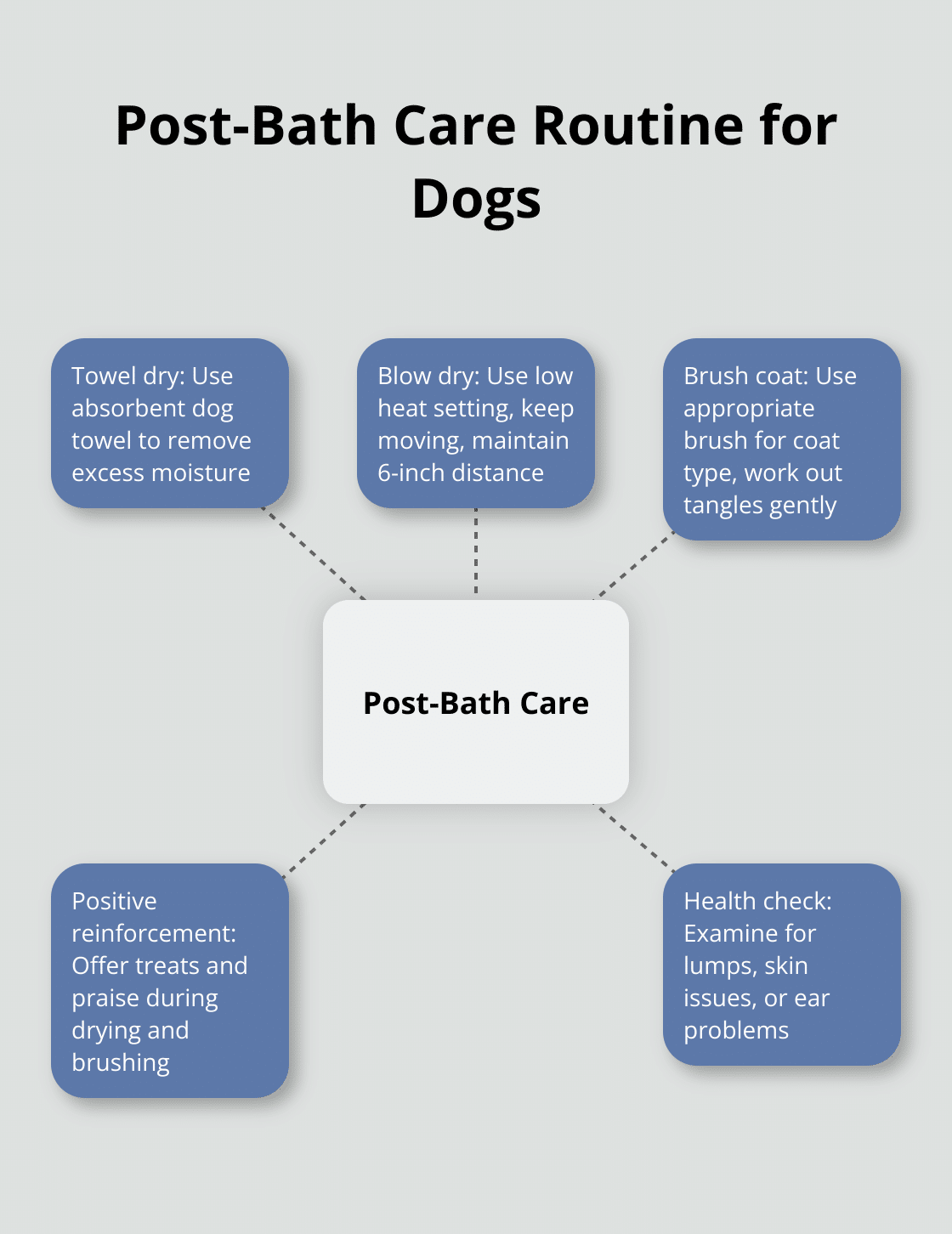
Finally, after the bath, provide your dog with a warm, dry space to relax and dry off. Use a soft towel or a dog-safe blow dryer on a low, cool setting if your dog tolerates it. Giving plenty of praise and a favorite treat afterward can help reinforce that bath time is a positive experience. Remember, patience, consistency, and a gentle demeanor are your best allies in making bath time a stress-free, bonding activity that helps your rescue dog feel safe and loved.
Conclusion
Bathing a rescue dog can feel daunting, but with patience, preparation, and positive reinforcement, it can become a stress-free routine that strengthens your bond. Starting with gradual exposure and creating a calm environment sets the foundation for success. Selecting the right supplies and setting up a safe area ensures your dog feels secure and comfortable. Building trust through gentle handling and treats transforms bath time from a stressful event into an opportunity for positive interactions. Remember, every rescue dog is unique; some may take longer to adjust, but your consistent care and understanding will pay off. By following these tips, you’ll help your rescue dog develop confidence and comfort with bathing, making grooming a rewarding experience for both of you.