
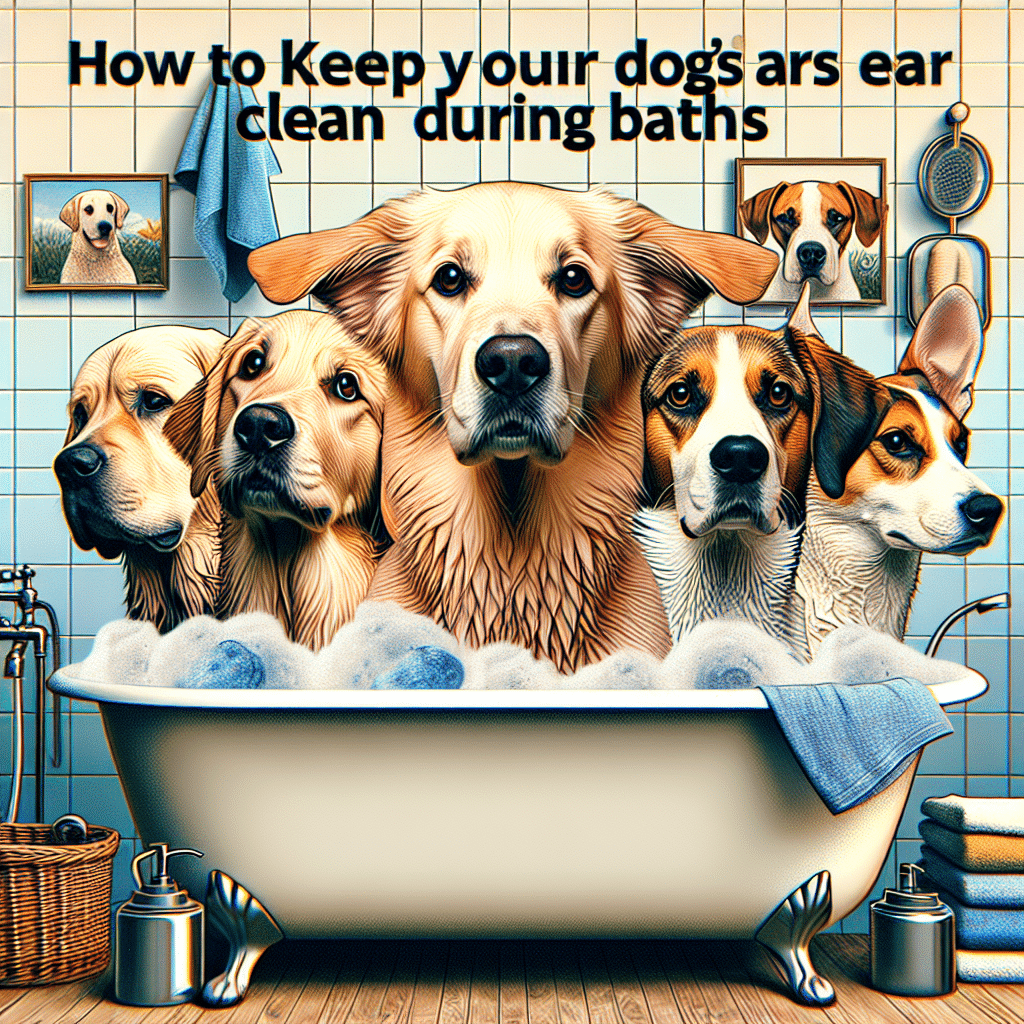
How to Keep Your Dog’s Ears Clean During Baths: Tips for Pet Owners
Bath time is an essential part of caring for your dog, keeping their coat shiny and skin healthy. However, many pet owners overlook the importance of ear hygiene during baths. Dirty or neglected ears can lead to painful infections, discomfort, and even long-term health issues. The good news is that keeping your dog’s ears clean during bath time can be simple and effective with the right techniques and knowledge. This article will guide you through understanding why ear hygiene matters, selecting safe products, step-by-step cleaning methods, tips to prevent infections, and common mistakes to avoid—helping you become your dog’s favorite hygienist!
Understanding the Importance of Ear Hygiene for Dogs
Your dog’s ears are more than just cute flaps that catch your attention—they’re delicate structures that require proper care. Dogs’ ears contain a complex system of canals lined with tiny hairs and glands that produce wax. While wax helps protect the ear from dirt and bacteria, excess wax buildup or moisture can create an ideal environment for infections like otitis externa, which is an inflammation of the ear canal. Regular ear hygiene prevents these issues and promotes overall ear health.
In addition to infection prevention, keeping your dog’s ears clean helps you detect early signs of problems. Unusual odors, redness, swelling, or discharge can signal infections, allergies, or other underlying health issues. Addressing these early can save your dog from pain and costly veterinary bills later on. Plus, clean ears improve your dog’s comfort and willingness to tolerate handling, making grooming a more pleasant experience for both of you.
It’s worth noting that some breeds are more prone to ear problems—like Cocker Spaniels, Basset Hounds, or dogs with floppy ears—as their ear anatomy can trap moisture and debris. Regular ear care, especially during bath time when ears might get damp, is crucial for these breeds. Educating yourself about ear health and staying proactive can significantly enhance your dog’s quality of life.
Selecting Safe and Effective Ear Cleaning Products
Choosing the right ear cleaning products is critical to maintaining your dog’s ear health without causing irritation. Many commercial ear cleaners are available, but not all are suitable for every dog or situation. Look for products that are specifically formulated for canine ears, as they tend to have the right pH balance and are gentle on sensitive skin. Avoid products with harsh chemicals, alcohol, or irritants that can strip natural oils or cause discomfort.
When selecting a product, consider whether your dog has specific needs, such as allergies or existing infections. In cases where your dog already shows signs of ear problems, your veterinarian may recommend medicated ear drops or solutions designed to treat specific issues. For routine cleaning during bath time, a mild, vet-approved cleaning solution that helps dissolve wax and remove debris is ideal. Some pet owners prefer natural options like diluted apple cider vinegar, but these should only be used after consulting your vet.
Always read the label and follow the manufacturer’s instructions carefully. Over-cleaning can do more harm than good, so use products sparingly—usually once a week or as advised by your veterinarian. Remember that ear cleaning is about gentle maintenance, not aggressive scrubbing. When in doubt, consult your vet to recommend the safest products tailored to your dog’s breed, age, and health status.
Step-by-Step Guide to Cleaning Your Dog’s Ears During Bath Time
Incorporating ear cleaning into your dog’s bath routine can streamline grooming and ensure thorough care. Here’s a simple, step-by-step approach that’s both safe and effective:
-
Prepare Your Supplies: Gather your chosen ear cleaner, soft cotton balls or gauze, and a towel. Make sure your hands are clean and dry before starting.
-
Create a Calm Environment: Dogs can sense your mood, so approach the task calmly. Speaking softly and giving treats can help your dog stay relaxed.
-
Apply the Ear Cleaner: Gently lift your dog’s ear flap and squeeze a small amount of ear cleaning solution into the ear canal—generally about 1-2 drops or as directed. Avoid inserting the tip too deep; just enough to wet the canal.
-
Massage the Base of the Ear: Using your fingers, gently massage the base of the ear for about 20-30 seconds. This helps loosen wax and debris so they can drain out naturally.
-
Allow Natural Drainage: Let your dog shake their head naturally—this helps dislodge loosened debris. Be prepared for some water or wax to come out.
-
Wipe Away Debris: Use a soft cotton ball or gauze to gently wipe the inside of the ear flap and the entrance of the ear canal. Never insert anything deep into the ear canal, as this can cause damage.
-
Repeat if Needed: If the ears are particularly dirty or waxy, repeat the process once or twice, but avoid over-cleaning.
-
Reward and Observe: Praise your dog and give treats. Keep an eye on the ears over the next few days for any signs of redness, swelling, or discomfort.
Remember, consistency is key. Regular, gentle cleaning during bath time makes ear hygiene a routine part of your dog’s grooming, preventing buildup and infections.
Tips for Preventing Ear Infections and Maintaining Ear Health
Prevention is always better than cure, especially when it comes to your dog’s ears. Regular cleaning, as part of your bath routine, minimizes wax buildup and removes dirt that may harbor bacteria. Also, keeping your dog’s ears dry after baths or swimming is crucial, as moisture trapped inside the ear canal is a prime cause of infections. Use a soft towel to gently dry the ears and consider cotton balls or ear drying solutions designed for dogs for extra moisture control.
Another preventive measure is to regularly inspect your dog’s ears for signs of trouble. Look for redness, swelling, foul odor, excessive wax, or discharge. Early detection of problems can prevent the development of painful infections or chronic issues. For dogs with floppy ears or those prone to ear infections, consider trimming excess hair around the ear canal opening to improve airflow and reduce trapped debris.
Diet and overall health also play a role in ear health. Providing a balanced diet rich in essential fatty acids supports skin and coat health, including the ears. If your dog has allergies or sensitivities, managing these conditions can significantly reduce inflammation and infection risk. Regular veterinary checkups ensure that any underlying issues are identified early, allowing for prompt intervention and ongoing ear health maintenance.
Common Mistakes to Avoid When Cleaning Your Dog’s Ears
While ear cleaning is straightforward, there are several common pitfalls that pet owners should avoid to prevent causing harm or discomfort. First, never insert cotton swabs or any objects deep into your dog’s ear canal. This can damage the delicate structures inside and push debris further down, increasing the risk of infection or injury. Instead, use soft cotton balls or gauze for wiping the outer parts only.
Second, avoid over-cleaning your dog’s ears. Cleaning too frequently or aggressively can strip away natural oils and disrupt the ear’s natural defenses. Stick to a routine that matches your dog’s breed, activity level, and health status—often once a week or bi-weekly is sufficient unless recommended otherwise by your veterinarian.
Third, do not ignore signs of ear problems. If your dog shows signs of pain, scratching, head shaking, or if the ears have a foul smell or abnormal discharge, consult your vet promptly. Attempting to treat infections or issues at home without professional guidance can worsen the condition. Additionally, using inappropriate or unapproved products can cause irritation and exacerbate existing problems.
By being gentle, cautious, and attentive during ear cleaning, you help ensure your dog remains comfortable and healthy. Remember, patience and consistency are key to establishing a positive routine that benefits your dog’s ear health in the long run.
Conclusion
Proper ear hygiene plays a vital role in maintaining your dog’s overall health and comfort. Integrating safe, gentle ear cleaning into your bath routine can prevent infections, detect issues early, and foster a trusting bond between you and your furry friend. Remember to select appropriate products, follow a step-by-step cleaning process, and be mindful of common mistakes like over-cleaning or using invasive tools. Regular inspection and preventive measures—like drying ears thoroughly and managing allergies—are key to keeping your dog’s ears healthy. With a little patience and care, you can make ear hygiene a simple, stress-free part of your pet’s grooming routine, ensuring they stay happy, comfortable, and free from discomfort.