


How to Keep Your Dog’s Skin Hydrated After Bathing: Tips & Tricks
Getting your furry friend clean is an essential part of caring for their health and happiness. However, many dog owners overlook a crucial step that affects your pup’s overall skin health—maintaining proper skin hydration after a bath. Proper post-bath skincare helps prevent dryness, irritation, and discomfort, ensuring your dog’s skin stays healthy, soft, and well-nourished. In this article, we’ll explore practical tips and expert advice on how to keep your dog’s skin hydrated after bathing, covering everything from selecting the right products to recognizing signs of dehydration. Whether you’re a seasoned pet parent or new to dog care, these insights will help you nurture your dog’s skin effectively.
Selecting the Right Post-Bath Skin Care Products for Dogs
Choosing suitable skin care products is the cornerstone of maintaining hydration and health after a bath. Not all shampoos and conditioners are created equal, and selecting ones formulated specifically for dogs is essential because their skin has a different pH balance compared to humans. Look for gentle, moisturizing shampoos that are free from harsh chemicals, artificial fragrances, and sulfates, which can strip natural oils from your dog’s skin. An ideal post-bath product should restore moisture, soothe irritation, and support the skin’s natural barrier.
In addition to specialized shampoos, consider using conditioners or leave-in sprays designed to hydrate and protect your dog’s skin. Ingredients such as oatmeal, aloe vera, coconut oil, and vitamin E are known for their soothing and moisturizing properties. For dogs with sensitive or allergy-prone skin, hypoallergenic or medicated products recommended by your veterinarian can be a great choice. Always check the label and avoid products that contain alcohol or other drying agents, which can exacerbate skin dryness. Consulting your vet before introducing new products can help tailor your skincare routine to your dog’s specific needs.
Lastly, incorporating natural oils like coconut or jojoba oil in small amounts can reinforce hydration. These oils can be gently applied to the skin after drying, creating a protective barrier that locks in moisture. Remember, the goal is to select products that nourish rather than irritate, ensuring your dog’s skin remains supple and hydrated long after their bath. Proper product choice not only enhances hydration but also promotes overall skin health and comfort.
Proper Towel Drying Techniques to Prevent Skin Dryness
Drying your dog thoroughly and gently after a bath is a vital step in preventing skin dryness and irritation. Vigorous or rough towel drying can cause micro-tears in the skin and strip away natural oils, leading to dryness and discomfort. Instead, opt for soft, absorbent towels and gently pat your dog’s fur and skin, avoiding harsh rubbing. This method helps to effectively remove excess water while minimizing trauma to the skin and maintaining its natural moisture barrier.
In addition to towel drying, consider using a microfiber cloth or a dedicated dog drying towel designed to wick moisture away efficiently. These materials are gentle on the skin and can absorb more water rapidly, reducing the need for prolonged towel rubbing. If your dog has thick or long fur, you may need to spend extra time ensuring all areas are thoroughly dried, especially around sensitive spots like the ears, paws, and belly. Proper drying helps prevent dampness, which can lead to skin infections or irritation, especially in folds or areas prone to moisture retention.
For added skin protection, some pet owners use a low-heat blow dryer on a cool setting, maintaining a safe distance from your dog’s skin to avoid burns. When using a blow dryer, move constantly and keep the airflow gentle to prevent overheating and unnecessary dryness. Overall, gentle towel drying combined with careful handling ensures your dog’s skin stays hydrated and healthy, reducing the risk of itchiness, irritation, or infections caused by residual moisture.
Tips for Maintaining Skin Hydration Through Nutrition and Supplements
A dog’s skin health is deeply connected to their overall nutrition. A well-balanced diet rich in essential fatty acids, vitamins, and minerals supports the skin’s ability to retain moisture and defend against environmental stressors. Foods high in omega-3 and omega-6 fatty acids, such as fish oils, flaxseed, and certain commercial dog foods, can significantly improve skin hydration, reduce inflammation, and promote a shiny, healthy coat. Ensuring your dog’s diet includes these nutrients can make a noticeable difference in their skin’s suppleness and resilience.
In some cases, supplements may be recommended to boost skin hydration and health. Fish oil capsules or liquid supplements are popular options, providing concentrated omega fatty acids that help strengthen the skin barrier. Additionally, supplements containing biotin, zinc, and vitamin E can support skin regeneration and reduce dryness or flakiness. Before introducing any new supplement, consult your veterinarian to determine the proper dosage and ensure it suits your dog’s specific health needs. Over-supplementation can sometimes cause adverse effects, so professional guidance is essential.
Beyond supplements, maintaining good hydration by providing fresh water at all times is fundamental. Proper hydration from the inside out ensures your dog’s skin remains plump and moisturized. Additionally, avoid feeding overly processed or low-quality foods, as these can contribute to skin issues and dryness. Combining a nutritious diet, appropriate supplements, and constant access to clean water creates a comprehensive approach to keeping your dog’s skin hydrated and resilient after baths and throughout their life.
Establishing a Gentle and Effective Bathing Routine for Healthy Skin
Consistency and gentleness are key to promoting healthy, hydrated skin in dogs. Establishing a bathing routine tailored to your dog’s breed, coat type, and skin sensitivities can help prevent dryness and irritation. For most dogs, bathing once every 4-8 weeks is sufficient, but some breeds with oily coats may need more frequent cleaning, while others with sensitive skin require longer intervals. Always use lukewarm water, as hot water can strip natural oils and dry out the skin, leading to dehydration.
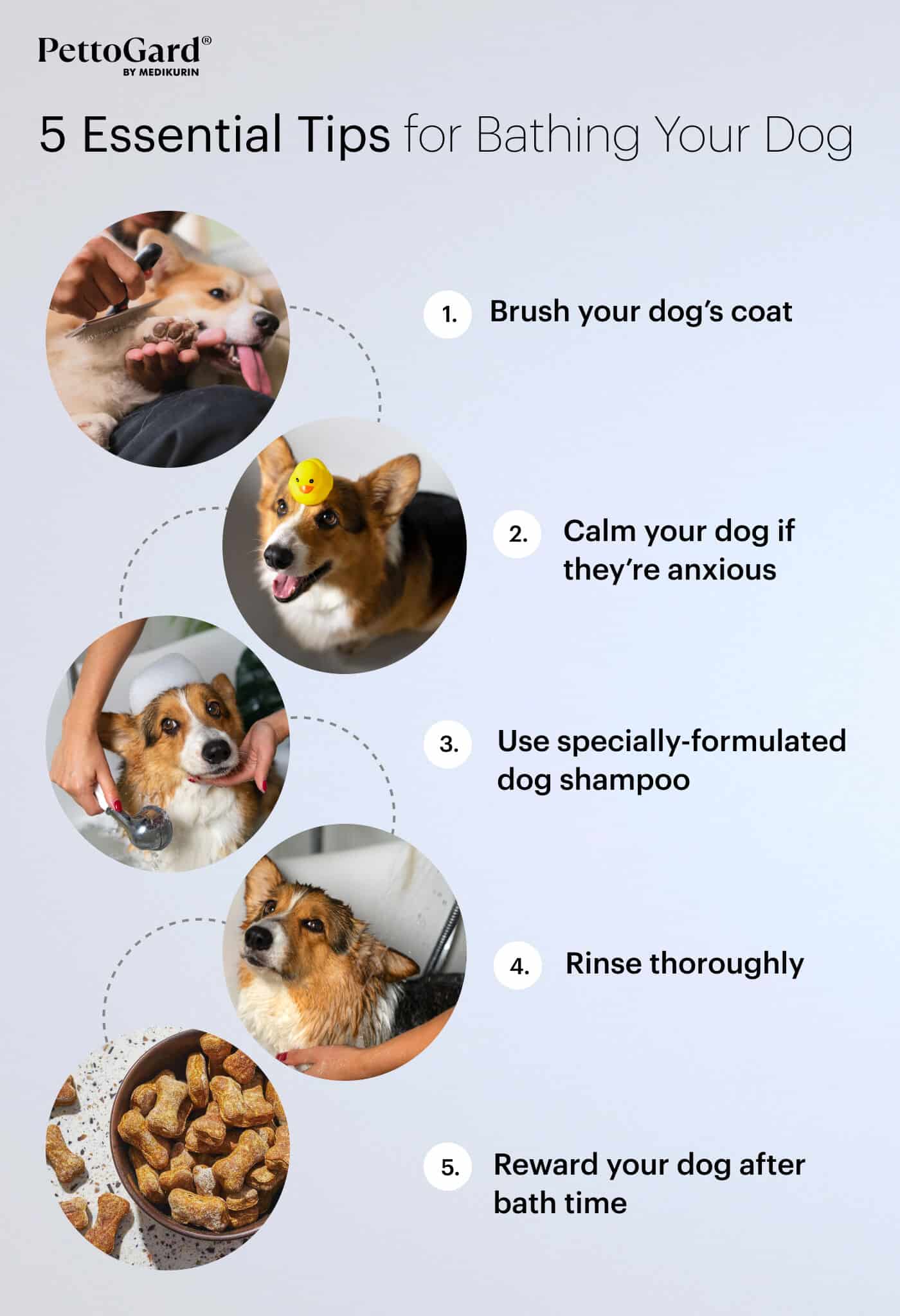
During the bath, use a gentle, moisturizing shampoo suitable for your dog’s skin type. Avoid over-scrubbing, which can damage the skin’s protective barrier and cause dryness. Instead, focus on careful, gentle cleansing, and rinse thoroughly to remove all soap residues. Afterward, carefully dry your dog using the proper techniques discussed earlier. Establishing a calming and routine process for bathing can reduce stress for your pup, making the experience more enjoyable and less likely to cause skin trauma.
Additionally, incorporating post-bath care into your routine—such as applying moisturizing sprays or oils—can reinforce skin hydration. Regular grooming also helps distribute natural oils evenly across the skin and coat, supporting hydration and overall skin health. By maintaining a gentle, consistent bathing routine, you ensure your dog’s skin stays clean, healthy, and well-hydrated, preventing issues like dryness, flakiness, or itchiness in the long run.
Recognizing and Addressing Signs of Skin Dehydration in Dogs
Awareness of the signs of skin dehydration can help you catch problems early and intervene promptly. Common indicators include dry, flaky patches, dull coat, excessive scratching, redness, or irritation. You might notice your dog’s skin feels tight or rough to the touch, or they may develop small cracks or sores that suggest discomfort and dehydration. If your dog’s coat appears lackluster or their skin seems sensitive and prone to irritation, these can also be signs of inadequate hydration.
Other subtle signs include excessive licking or biting at the skin, which could be a response to dryness or irritation. Changes in behavior, such as increased scratching or discomfort, are often an early warning sign of underlying skin issues. It’s crucial to pay attention to your dog’s overall health, including moisture levels, coat quality, and comfort, especially after bathing routines or environmental changes. Regular veterinary checkups can help identify skin dehydration issues before they escalate into more severe skin conditions.
To address signs of dehydration, review your dog’s bathing and nutrition routines, ensuring they’re adequately moisturized and well-nourished. If dryness persists or worsens, consult your veterinarian for tailored treatment options, which may include medicated shampoos, dietary adjustments, or topical treatments. Early intervention can prevent secondary infections or chronic skin problems, ensuring your dog’s skin remains hydrated, healthy, and comfortable in all seasons.
Conclusion
Keeping your dog’s skin hydrated after bathing is a vital aspect of their overall health and happiness. By selecting the right skincare products, mastering proper towel-drying techniques, supporting hydration through diet and supplements, establishing a gentle bathing routine, and being attentive to signs of dehydration, you can ensure your furry friend enjoys a soft, healthy coat and skin free from dryness and irritation. Remember, consistent care rooted in understanding your dog’s unique needs makes all the difference. With these practical tips and tricks, you’ll be well on your way to maintaining your dog’s skin hydration and promoting their comfort and well-being for years to come. Your dog’s healthy, hydrated skin is a reflection of your love and dedication—so keep caring and keep those tails wagging!