


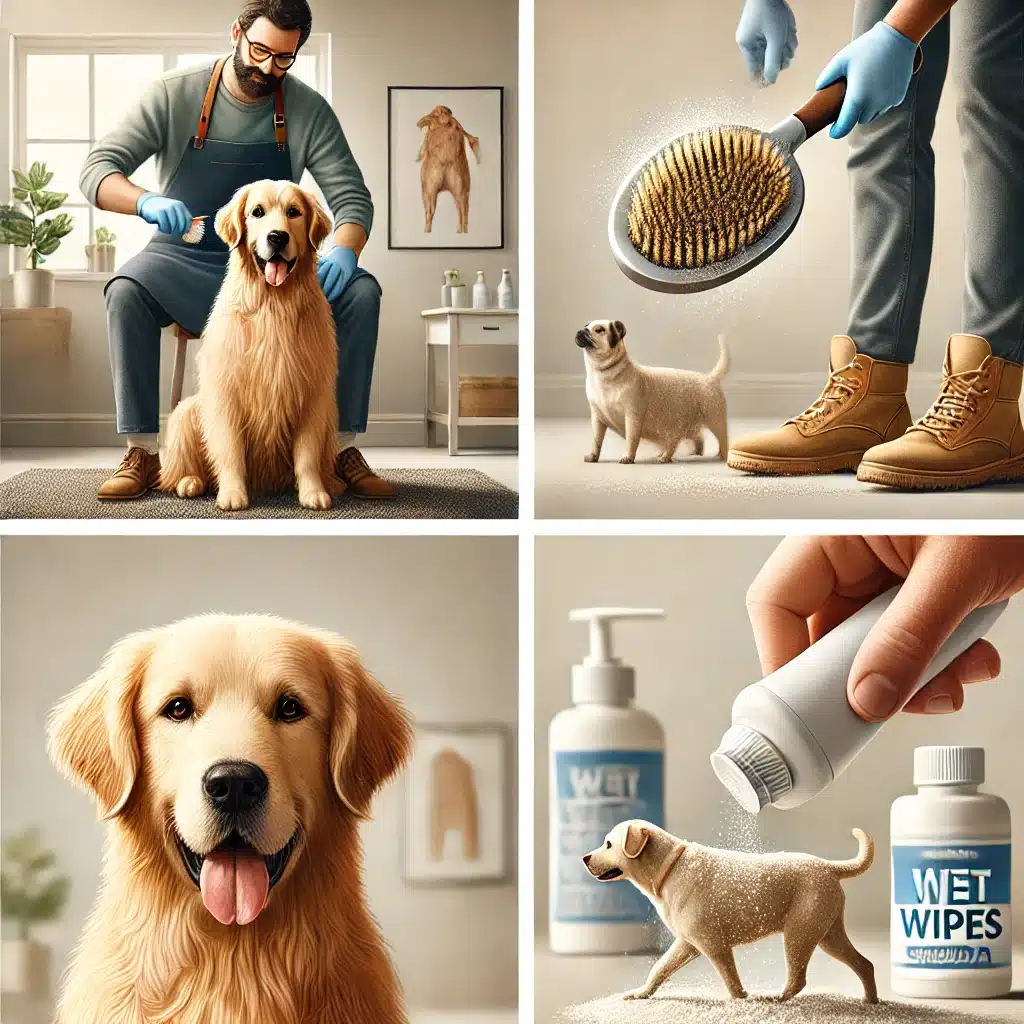
How to Keep Your Pet’s Fur Clean and Fresh Without Constant Bathing
Caring for your pet’s fur is a vital part of maintaining their overall health and happiness. While baths are essential, bathing your pet too frequently can strip natural oils, cause skin irritation, and lead to unnecessary stress—for both you and your furry friend. Luckily, there are plenty of effective strategies to keep your pet’s coat clean, shiny, and fresh without the need for constant baths. This article explores practical alternatives, grooming techniques, and tailored tips for different breeds and coat types to help you maintain your pet’s fur health efficiently and comfortably.
Understanding the Natural Oils and Skin Health of Your Pet’s Fur
Your pet’s fur isn’t just for appearance—it’s a vital part of their skin’s ecosystem, offering insulation, protection, and sensory input. One of the key considerations in fur maintenance is understanding the role of natural oils produced by the skin. These oils, or sebum, are essential for keeping the coat shiny, waterproof, and resistant to dirt and bacteria. When you bathe your pet too often, you risk stripping away these oils, which can lead to dry, flaky skin and even exacerbate skin conditions like dermatitis.
Healthy skin and fur are closely interconnected. A balanced diet rich in omega-3 and omega-6 fatty acids supports skin hydration and coat health. Additionally, regular grooming helps distribute natural oils evenly across the fur, enhancing shine and protecting against environmental pollutants. Recognizing signs of skin issues—such as excessive itching, redness, or hair loss—can also help you determine whether your pet’s fur maintenance routine needs adjustment. Consulting your veterinarian can ensure you’re supporting your pet’s skin health appropriately.
It’s crucial to strike a balance: cleaning your pet’s fur sufficiently to remove dirt and odors without disrupting the skin’s natural oil barrier. This approach not only keeps your pet comfortable but also reduces the need for frequent bathing, maintaining their coat’s natural beauty and health in a sustainable way. Understanding these fundamentals allows you to make informed choices about grooming and fur care that prioritize your pet’s well-being.
Effective Alternatives to Frequent Bathing for Fur Maintenance
If bathing is not a daily or even weekly necessity, what strategies can you employ to keep your pet’s coat fresh and clean? First, dry shampoos and waterless cleansers are excellent options. These products are formulated specifically for pets and work by absorbing dirt and oils without the need for water. Simply spray or sprinkle the product onto your pet’s coat, massage gently, and brush out. They’re especially useful for quick touch-ups after outdoor adventures or for pets who dislike baths.
Another effective method is spot cleaning, which allows you to target specific areas that become dirty or greasy. Using pet-safe wipes, you can clean paws, face, or any other body part that’s prone to collecting dirt. Wipes are convenient, portable, and gentle on skin, making them ideal for maintaining freshness between baths. They also help reduce odors and remove surface dirt without disrupting the natural skin oils or causing stress.
Finally, maintaining a clean environment can significantly impact your pet’s overall cleanliness. Regularly washing their bedding, vacuuming carpets, and wiping down common areas prevents the accumulation of dust, pollen, and dander that can cling to your pet’s fur. Additionally, controlling outdoor access or limiting exposure to muddy or dirty zones can reduce the need for frequent cleaning. These proactive steps, combined with alternative cleaning products, make fur care manageable without constant baths.
Regular Brushing and Grooming Techniques to Keep Fur Clean and Mat-Free
One of the simplest yet most effective ways to maintain your pet’s coat without frequent bathing is regular grooming through brushing. Brushing not only keeps fur clean by removing dirt, debris, and loose hair but also prevents mats and tangles from forming, which can trap dirt and harbor bacteria. The key is choosing the right brush for your pet’s coat type—slicker brushes for fine or curly coats, bristle brushes for short-haired breeds, or undercoat rakes for dogs with thick, double coats.
Establishing a consistent grooming routine is vital. For most pets, daily or every-other-day brushing can significantly reduce the need for baths. During grooming sessions, be gentle and thorough, paying attention to sensitive areas such as behind the ears, under the collar, and around the tail. Use slow, soothing strokes to make the process comfortable, especially for pets with anxiety or sensitivity issues. Over time, your pet will associate grooming with positive experiences, making maintenance easier and less stressful.
In addition to brushing, regular trimming of hair around the paws, face, or hindquarters can improve cleanliness and hygiene. For longer-haired breeds, trimming helps prevent mats and reduces the buildup of dirt and debris. Professional grooming sessions can also be beneficial for maintaining a tidy appearance and ensuring your pet’s fur remains healthy. Remember, well-groomed fur not only looks better but also promotes healthier skin and a happier, more comfortable pet.
Using Appropriate Wipes, Sprays, and Dry Conditioners for Fur Freshness
Incorporating grooming products such as wipes, sprays, and dry conditioners into your pet care routine can make a big difference in keeping their fur fresh between baths. Pet-specific wipes are formulated to be gentle on skin while effectively removing surface dirt, odors, and tear stains. They’re especially handy for quick clean-ups after outdoor play or muddy walks. Look for wipes free from harsh chemicals and fragrances to avoid irritating your pet’s skin.
Sprays and dry conditioners are designed to neutralize odors and add a layer of conditioning to your pet’s coat. These products often contain ingredients like oatmeal, aloe vera, or coconut oil that soothe skin and add softness to the fur. When applying, lightly mist the product onto the coat, then brush through to distribute evenly. This not only keeps your pet smelling fresh but also helps detangle hair and prevent mats, reducing the need for frequent bathing.
It’s important to select high-quality, pet-safe grooming products suited to your pet’s coat type and skin sensitivities. Always test new products on a small skin patch before full application to check for adverse reactions. Using these tools regularly as part of your grooming routine can maintain a clean, fresh-looking coat, preserve skin health, and keep your pet comfortable—without the stress and inconvenience of frequent baths.
Tips for Maintaining Clean Fur in Different Pet Breeds and Coat Types
Different breeds and coat types have unique grooming needs, and tailoring your approach can help maintain their fur’s cleanliness and health more effectively. For example, double-coated breeds like Huskies or Malamutes require regular brushing to manage shedding and prevent mats, especially during seasonal changes. Short-haired breeds such as Beagles or Boxers typically need less frequent grooming but benefit from routine wipes or quick brushing to remove surface dirt.
Long-haired breeds like Shih Tzus, Yorkshire Terriers, and Afghan Hounds often require more frequent grooming to prevent tangles and dirt buildup. Regular trims around the face, paws, and ears help keep these coats manageable and clean. Additionally, using detangling sprays or dry shampoos suited for long hair can reduce the need for frequent baths, making grooming sessions quicker and more comfortable.
Pets with sensitive or allergy-prone skin benefit from hypoallergenic products designed to minimize irritation while maintaining cleanliness. For such pets, avoiding harsh shampoos and opting for gentle wipes, sprays, and regular brushing can keep their coats healthy without triggering skin issues. Understanding your pet’s breed, coat type, and skin condition allows you to customize your grooming approach—promoting a clean, fresh coat while respecting their natural skin health.
Conclusion
Maintaining your pet’s fur clean and fresh without constant bathing is entirely achievable with the right knowledge and routine. By understanding the importance of natural oils and skin health, exploring effective alternatives like waterless cleansers and environmental hygiene, and committing to regular brushing and grooming, you can keep your pet comfortable and looking their best. Incorporating pet-safe wipes, sprays, and tailored tips for different breeds ensures your furry friend’s coat remains healthy, shiny, and odor-free without unnecessary stress.
Remember, each pet is unique, and finding a balanced grooming routine that fits their needs is key to long-term fur health. Regularly consult with your veterinarian or professional groomer for personalized advice and to address any skin issues promptly. With patience and consistent care, your pet’s fur can stay clean, fresh, and beautiful—making grooming a positive experience for both of you.