


How to Maintain Handle Fur in Active Dog Breeds: Tips & Tricks
Active dog breeds—like Border Collies, Labrador Retrievers, Australian Shepherds, and Jack Russell Terriers—are known for their energy, agility, and love for outdoor adventures. Their lively lifestyles often mean their fur endures more wear and tear, making grooming a vital part of maintaining their health and appearance. Handling their thick, often dense or wiry fur requires specific techniques and routines to prevent matting, reduce shedding, and keep their coat healthy. If you’re a proud owner of an energetic pup, understanding how to properly care for handle fur is essential to keep your dog comfortable and looking great. This article provides in-depth tips and tricks for maintaining handle fur in active breeds—covering everything from grooming routines to diet considerations.
Understanding the Unique Fur Needs of Active Dog Breeds
Active dog breeds typically have coats designed for protection and endurance, often featuring thicker, double-layered, or wiry fur that can withstand outdoor elements. These breeds naturally shed more during certain seasons, and their fur tends to become tangled or matted if not groomed regularly. Their energetic lifestyles also mean they’re often more exposed to dirt, mud, and debris, which can settle into their fur and cause skin irritation or infections if not managed promptly.
It’s important to recognize that each breed’s coat has specific needs. For instance, Border Collies have a dense double coat that requires regular brushing to prevent matting and control shedding, especially during seasonal changes. Conversely, breeds with wiry coats like the Jack Russell Terrier need different grooming tools and techniques to maintain the texture and health of their fur. Understanding these nuances ensures you’re using the appropriate grooming approach, which is crucial for active dogs that tend to get dirtier and more tangled.
In addition, active breeds often develop higher skin oil production due to their outdoor activities, which can lead to greasy fur if not cleaned properly. Their fur also serves as a protective barrier against environmental hazards, so maintaining its health is vital for overall skin health. Recognizing these unique needs helps you tailor a grooming plan that keeps your dog comfortable, healthy, and looking their best.
Establishing a Regular Grooming Routine for Active Dogs
Consistency is key when it comes to maintaining handle fur in active breeds. Establishing a regular grooming routine, ideally scheduled at least 2-3 times a week, helps prevent mats and tangles before they become problematic. During these sessions, focus on different grooming tasks—brushing, checking for parasites, cleaning ears, and trimming nails—to keep your dog comfortable and clean. Regular grooming also allows you to monitor the fur’s condition and catch early signs of skin issues or infections that could develop from outdoor exposure.
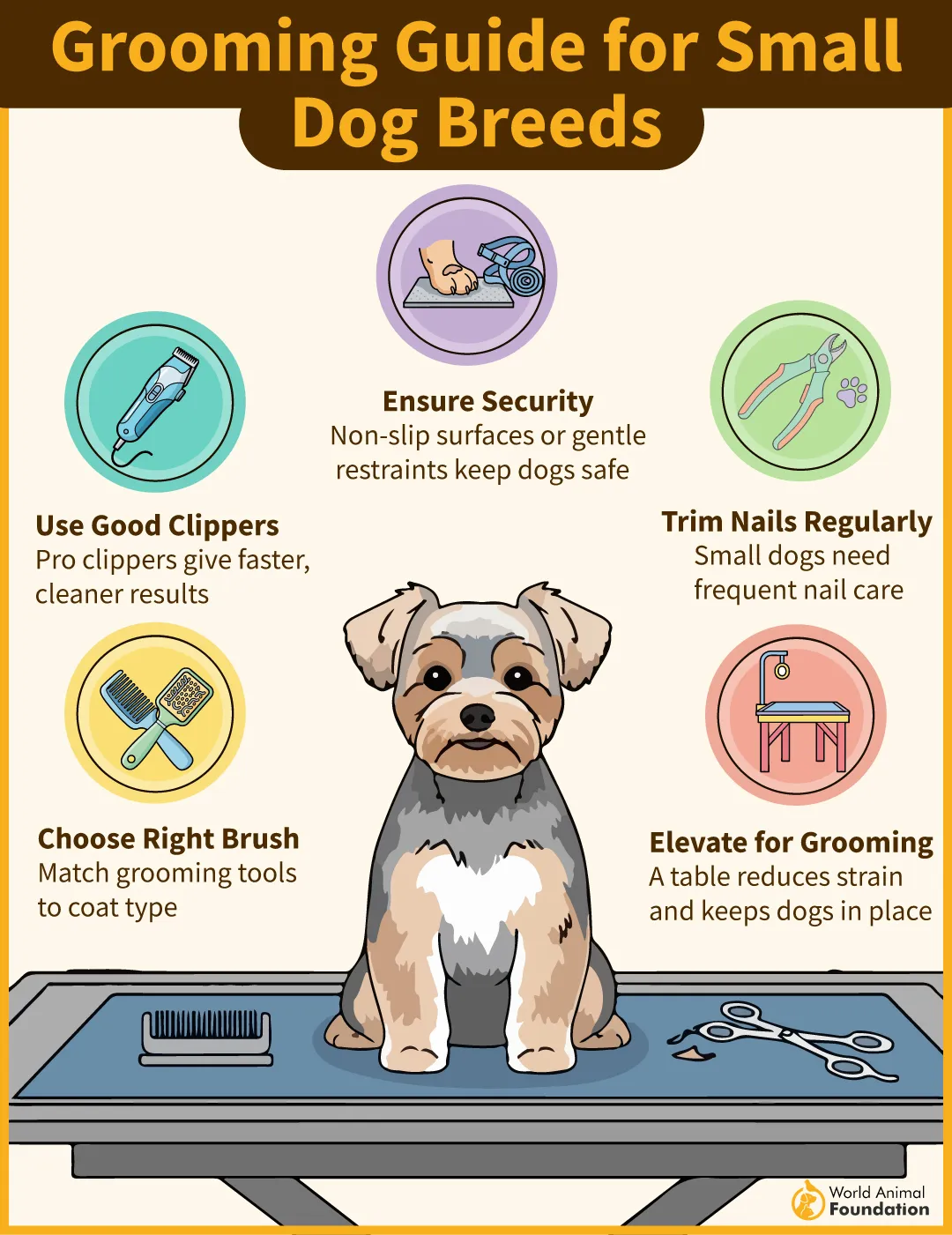
Choosing the right grooming tools is essential. For dense or double coats, a slicker brush combined with an undercoat rake is effective at removing loose hairs and preventing mats. Wiry coats benefit from a pin brush or a comb specifically designed for their texture. Additionally, using grooming gloves can help remove loose fur and dirt while giving your dog a gentle massage, making grooming sessions more enjoyable. Remember, patience and positive reinforcement—like treats or praise—are crucial to making grooming a positive experience for active dogs that might be more energetic and fidgety.
Incorporating grooming into your dog’s daily or weekly routine not only maintains their fur but also provides a bonding opportunity. It allows you to check for any skin irritations, cuts, or foreign objects that could have gotten lodged during outdoor play. Over time, your dog will get accustomed to grooming, making the process smoother and quicker, which is especially helpful when managing handle fur in breeds with thick or wiry coats.
Effective Brushing and Dematting Techniques to Prevent Fur Tangles
Brushing is the cornerstone of keeping handle fur in good condition, particularly for active breeds prone to tangling and matting. The goal is to remove loose hair, dirt, and debris while preventing the formation of mats, which can cause discomfort and skin issues if left untreated. For breeds with double coats, start with a slicker brush or undercoat rake to reach through the dense layers, using gentle, even strokes. Be mindful of sensitive areas like behind the ears and under the legs—these can be more prone to discomfort, so always use a gentle touch.
Dematting can be a delicate task, especially if mats have already formed. For minor tangles, a detangling spray combined with a wide-tooth comb can help loosen knots without causing pain. For more stubborn mats, you might need to carefully cut them out with grooming scissors, but it’s often best to seek professional help to avoid injuring your dog’s skin. Regular brushing, ideally daily for highly active or shedding breeds, prevents mats from developing and reduces the amount of loose fur around your home.
Besides physical grooming tools, incorporating deshedding shampoos or conditioners can help release loose undercoat fur, especially during shedding seasons. Always be gentle, keep sessions short if your dog is anxious, and reward your pet for their patience. Developing a routine that combines proper brushing and dematting techniques ensures your dog’s handle fur remains healthy, free of tangles, and less prone to shedding messes.
Managing Shedding and Maintaining Fur Health During High Activity Periods
Active dogs naturally shed more, especially during seasonal transitions from winter to summer or vice versa. During these periods, their fur health can be compromised due to increased outdoor exposure, dirt, and the physical stress of high activity levels. To manage shedding effectively, increase the frequency of brushing, focusing on removing loose hairs before they fall around your home. Using deshedding tools such as a Furminator can significantly reduce shedding hair and keep your dog comfortable.
Diet plays a vital role in controlling shedding and promoting a healthy coat. Feeding your active dog a balanced diet rich in omega-3 and omega-6 fatty acids supports skin health and fur vitality. Supplements like fish oil can be added after consulting with your veterinarian to enhance fur quality and reduce inflammation or dryness. Adequate hydration is also essential, as it helps maintain skin elasticity and fur shine, especially when your dog’s activity levels are high.
Environmental factors, such as bathing frequency and exposure to outdoor elements, also influence fur health during active periods. Overbathing can strip natural oils, leading to dry skin and increased shedding, so aim for baths every 4-6 weeks unless your dog gets particularly dirty. Use gentle, dog-specific shampoos to cleanse without stripping essential oils. Regular grooming combined with dietary support ensures your active dog’s fur remains resilient, shiny, and less prone to excessive shedding, no matter how many outdoor adventures they embark upon.
Tips for Safe and Comfortable Bathing and Drying Practices
Bathing is an important part of fur maintenance, especially for active breeds that often get dirty or muddy. However, bathing too frequently can strip natural oils, leading to dry skin and increased shedding. For active dogs, a bath every 4-6 weeks is generally sufficient, but always adjust based on your dog’s activity level and dirt exposure. Use lukewarm water and a gentle, hypoallergenic dog shampoo designed for their specific coat type to avoid irritation. Be sure to rinse thoroughly to remove all shampoo residues, which can cause itchiness or allergic reactions.
Drying your dog properly is equally important. Towel drying is often sufficient for dogs with short to medium coats, but breeds with thicker or wiry fur may benefit from blow-drying on a low, cool setting. This not only speeds up drying but also helps prevent dampness that could lead to skin infections or matting. When blow-drying, keep the nozzle moving and avoid directing hot air directly onto the skin to prevent burns or discomfort. For dogs sensitive to noise or heat, natural air drying in a warm, draft-free environment can be a good alternative.
Throughout the bathing and drying process, prioritize your dog’s comfort and safety. Use non-slip mats in the bathing area to prevent slipping, and make the experience positive with treats and praise. Regular baths, combined with gentle drying practices, help maintain a clean, healthy coat that looks and feels good—ensuring your active dog is always ready for their next outdoor adventure.
Dietary and Environmental Factors Supporting Healthy Fur in Active Breeds
A healthy, shiny coat is a reflection of your dog’s overall wellness, which is strongly influenced by diet and environment. For active breeds, providing a diet rich in high-quality protein supports muscle development and fur growth. Incorporate foods with omega fatty acids, such as fish oil or flaxseed, which are known to improve coat texture and reduce shedding. Additionally, vitamins like biotin and vitamin E can promote skin health and fur strength, making the coat more resilient against environmental stressors.
Environmental factors also play a crucial role in fur health. Regular access to clean, fresh water ensures proper hydration, which is essential for maintaining skin suppleness and fur shine. Protect your dog from harsh weather conditions—like excessive sun exposure or cold winds—by providing shade, shelter, or appropriate clothing during outdoor activities. Keeping your dog’s living area clean and free of parasites, such as fleas or ticks, prevents skin irritations that can lead to fur damage and loss.
Managing stress and providing regular exercise are indirect but significant factors that influence fur health. Active dogs with a balanced routine tend to have less stress-related skin issues, which can impact fur quality. Adequate physical activity also stimulates circulation, promoting a healthy scalp and hair follicles. Combining a nutritious diet with a safe, enriched environment ensures your energetic pup’s fur remains thick, shiny, and healthy, even during periods of intense activity.
Conclusion
Maintaining handle fur in active dog breeds requires a dedicated and informed approach. Understanding your dog’s specific coat needs helps you develop an effective grooming routine that prevents mats, controls shedding, and promotes healthy skin and fur. Regular brushing and dematting techniques are crucial for managing tangles, especially in breeds with dense or wiry coats. During high activity periods, increased grooming, balanced diet, and environmental management work together to support your dog’s fur health.
Bathing and drying should be gentle, consistent, and tailored to your dog’s coat type, ensuring they stay clean and comfortable without compromising their fur’s natural oils. Finally, a nutritious diet rich in omega fatty acids and proper environmental care bolster your dog’s overall health and coat quality. By following these tips and tricks, you’ll help your active dog enjoy a shiny, healthy coat that withstands outdoor adventures and daily play — keeping them happy, comfortable, and looking their best.